

Key Takeaways
- Brand uniformity is the system behind consistency, ensuring that visuals, messaging, and assets work together cohesively across teams, channels, and regions.
- Consistent branding directly impacts trust and revenue, with recognizable and reliable brands outperforming fragmented ones in competitive markets.
- Scaling brand uniformity requires structure and technology, not manual enforcement. BrandLife’s digital asset management platform centralizes guidelines and approved assets, making it easier for teams to stay aligned as they grow.
- Brand uniformity is measurable, with metrics like asset reuse rates, campaign speed, and engagement consistency providing clear ROI signals.
Brand uniformity is no longer a “nice-to-have.” In a digital-first world where customers interact with brands across websites, social media, ads, emails, sales decks, apps, and even AI-generated answers, uniformity is what keeps your brand recognizable, credible, and trusted.
For modern marketing teams, the challenge isn’t understanding why brand uniformity matters but maintaining it at scale. Assets are created rapidly, teams are distributed globally, campaigns run simultaneously, and outdated logos or off-brand visuals often slip through unnoticed.
This is where structured processes, clear governance, and a modern digital asset management (DAM) platform like BrandLife become essential.
In this guide, we’ll break down what brand uniformity means, how it differs from brand consistency, why it directly impacts revenue and trust, and how teams can achieve and measure it effectively.
Understanding Brand Uniformity
What is brand uniformity?
Brand uniformity refers to the consistent and deliberate application of a brand’s core identity across all touchpoints. This includes visual elements, messaging, tone, layout, and usage rules, ensuring that the brand looks, sounds, and feels the same everywhere it appears.
Unlike ad hoc branding decisions, brand uniformity is intentional. It’s enforced through clear guidelines, approved assets, and standardized workflows so that every team—from marketing to sales to partners—represents the brand accurately.
In practice, brand uniformity ensures that a prospect visiting your website, reading a LinkedIn post, opening a sales deck, or encountering your brand in an AI-generated recommendation experiences the same brand identity each time.
The importance of brand uniformity
The importance of brand consistency goes far beyond aesthetics. Psychologically, humans trust what feels familiar. Repetition builds recognition, and recognition builds credibility.
Uniform brands also perform better in crowded markets. Over two‑thirds of businesses saw at least a 10% growth through maintaining brand consistency.
When buyers compare multiple options, especially in B2B and SaaS, visual and messaging uniformity reduces cognitive friction. It signals maturity, reliability, and operational excellence.
Without brand uniformity, even strong products struggle to earn trust.
The Anatomy of Brand Uniformity
Brand uniformity is achieved through a deliberate combination of visual standards, messaging alignment, and operational discipline that ensures every brand touchpoint reinforces the same identity.
Key elements of brand uniformity
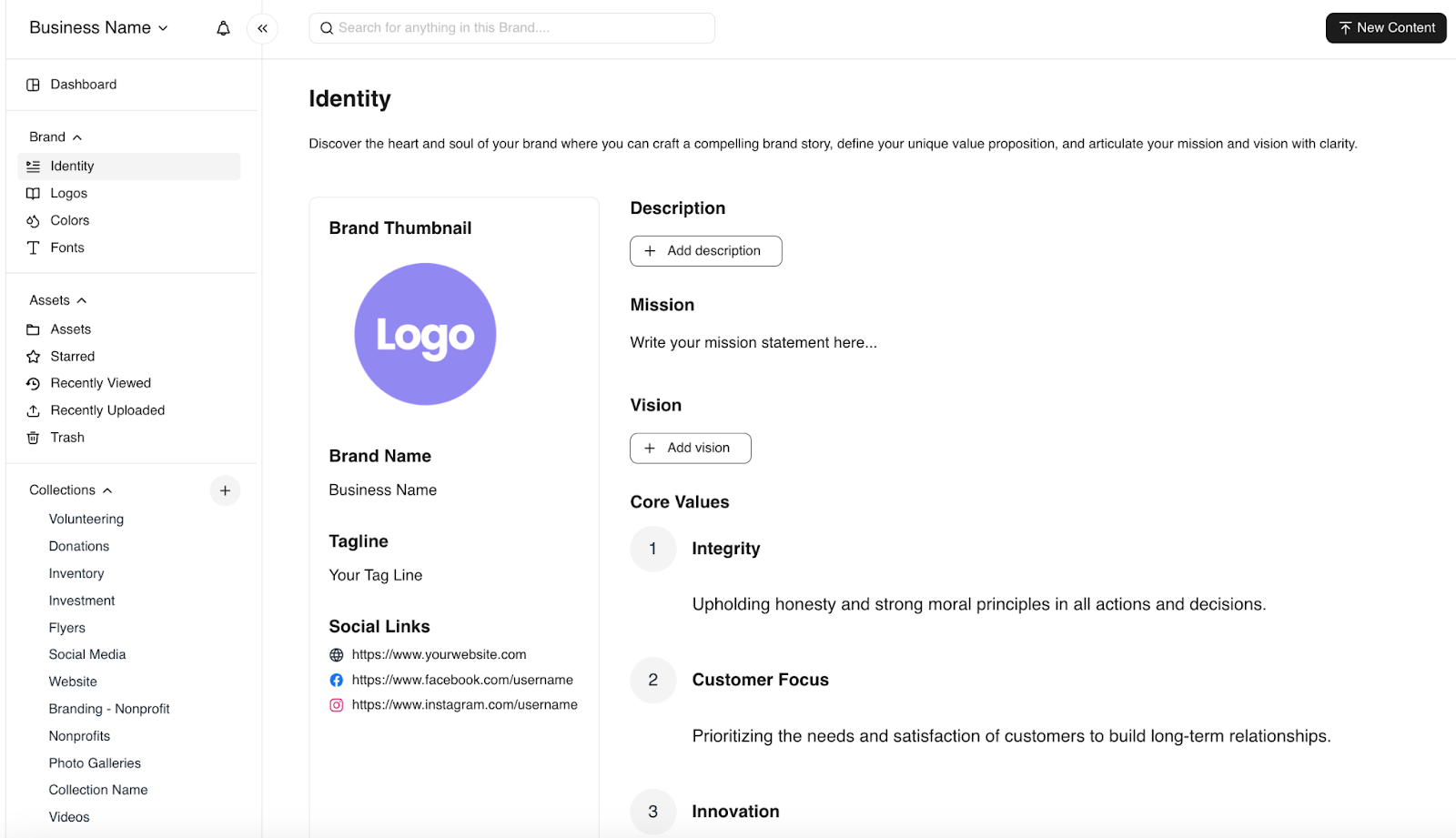
Brand uniformity is built on two foundational pillars: visual elements and messaging consistency.
Visual elements include:
- Color palettes and usage rules
- Logo placement, sizing, and spacing
- Typography systems
- Image and illustration styles
- Layouts and design components
Messaging and tone include:
- Brand voice and language guidelines
- Terminology and naming conventions
- Value propositions and positioning statements
- Do’s and don’ts for audience communication
When these brand elements are centrally managed inside a digital asset management platform like BrandLife, teams can confidently execute campaigns without second-guessing brand rules.
Brand uniformity vs. brand consistency
Although often used interchangeably, there is a subtle difference between brand uniformity and brand consistency.
In essence, brand consistency is the outcome, while brand uniformity is the system that enables it. Without uniformity in assets, guidelines, and approvals, consistency becomes nearly impossible to sustain.
This distinction is especially important for scaling brands, where multiple teams are creating content simultaneously.
The Benefits of Brand Uniformity
Brand uniformity, when applied consistently across teams and channels, delivers measurable gains in recognition, credibility, and operational efficiency.
Enhancing brand recognition
Uniform brands are instantly recognizable. Think of how quickly you identify brands like HubSpot, Salesforce, or Stripe, even before seeing their names.
This recognition isn’t accidental. These brands enforce strict uniformity across design systems, messaging, and asset usage. Their blogs, ads, landing pages, and sales materials all follow the same visual and tonal rules.
Besides, consistent brand presentation increases recognition by 3.5x compared to fragmented branding.
Building trust with your audience
Trust is built when brands feel reliable. Inconsistent branding creates doubt, subtly signaling disorganization or lack of professionalism.
Strong brand consistency examples are often seen in B2B brands operating at scale.
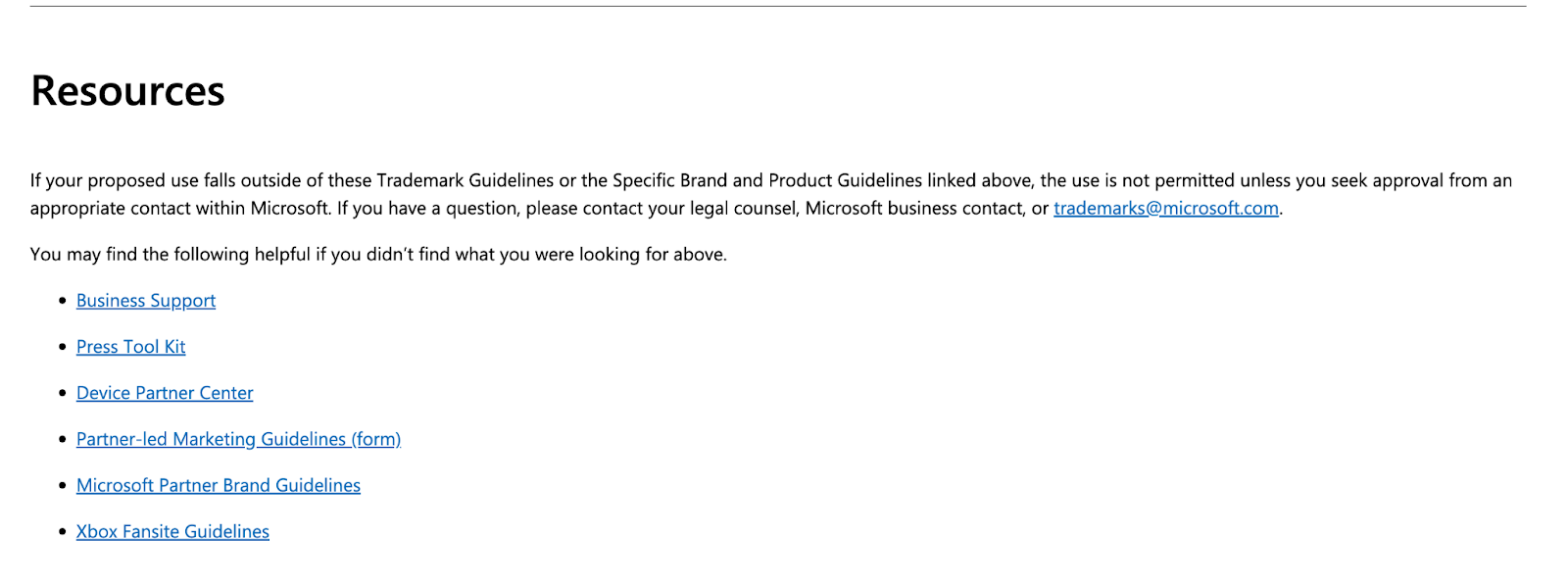
For instance, Microsoft maintains uniform branding across product launches, enterprise documentation, and marketing assets. They have detailed brand guidelines with clear do’s and don’ts on their website.
Similarly, Adobe enforces strict asset governance across regions using centralized systems to prevent off-brand usage.
These brands understand that trust is cumulative. Every consistent interaction strengthens credibility over time.
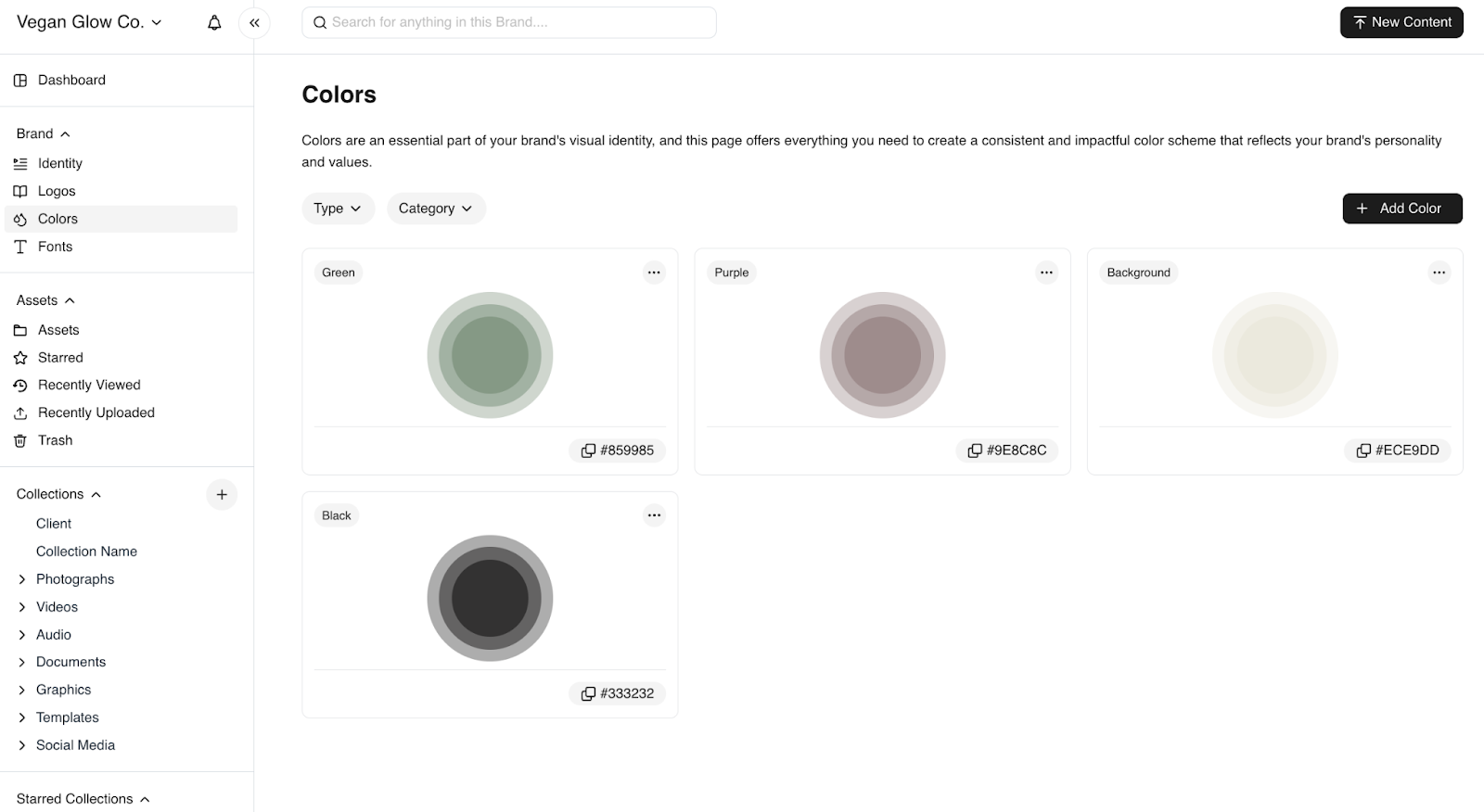
BrandLife supports this same discipline by keeping approved brand color palettes directly with active assets, enabling teams to apply the correct visuals confidently and consistently.
Streamlining marketing efforts
Brand uniformity doesn’t slow teams down. Instead, it speeds them up.
When approved logos, templates, and visuals are instantly accessible through a digital asset management platform like BrandLife, teams spend far less time searching, recreating, or requesting assets and more time launching campaigns.
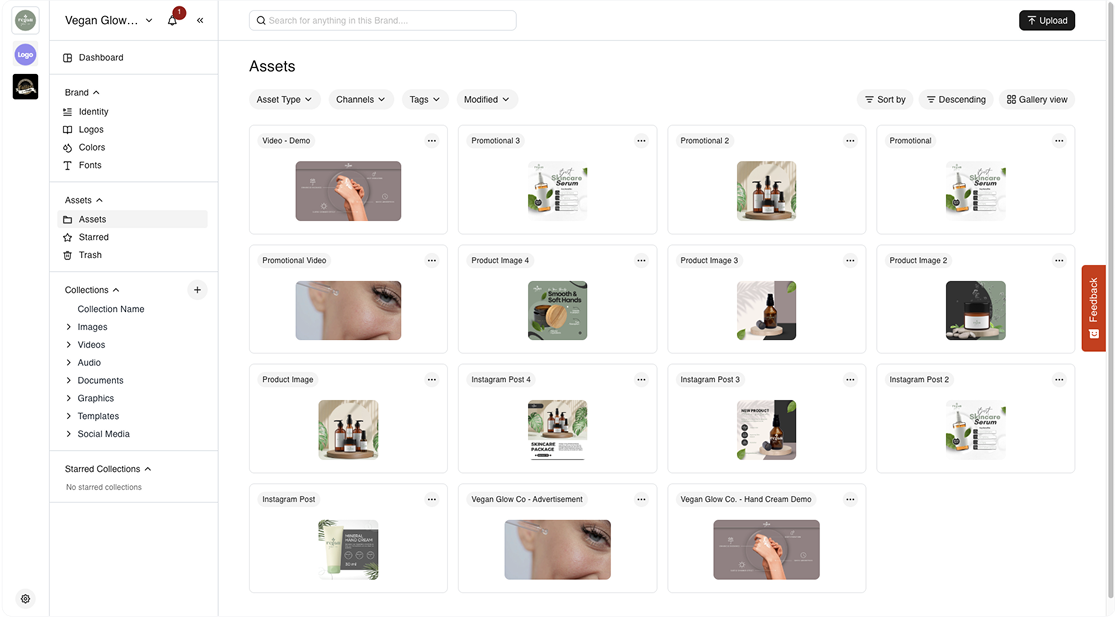
This impact is measurable. According to Forrester, organizations with smart tagging and recommendation systems see asset reuse become the default in a majority of use cases.
Challenges in Maintaining Brand Uniformity
While maintaining brand uniformity is essential, it does come with challenges, especially as brands grow. Some common pitfalls include:
- Assets scattered across drives, emails, and personal folders
- Multiple versions of logos and templates in circulation
- Regional teams adapting branding without governance
- Agencies working from outdated brand guidelines
These issues lead to examples of poor brand consistency, such as:
- Old logos appearing in paid ads
- Incorrect brand colors used on landing pages
- Conflicting messaging across sales and marketing
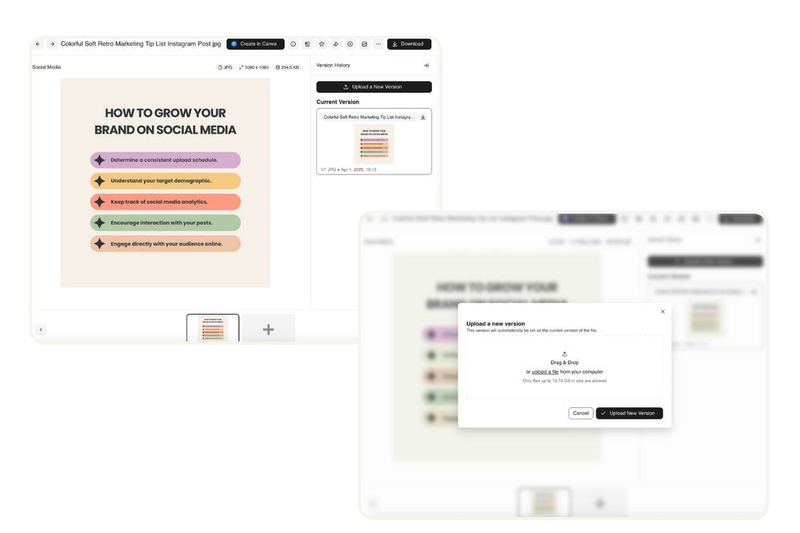
The solution lies in centralization and automation. A modern digital asset management solution like BrandLife ensures that teams always use the latest, approved assets, with version control and permissions baked in.
Besides, its collaborative tools that allow for real-time feedback and approvals help keep everyone aligned and ensure timely, uniform output.
Strategies for Achieving Brand Uniformity
Brand uniformity is the result of deliberate systems and repeatable processes that ensure every asset, message, and campaign follows the same brand standards.
Here are the four key strategies to follow to achieve brand uniformity.
1. Developing a comprehensive brand guide
A brand guide is the foundation of brand uniformity. But static PDFs quickly become outdated.
High-performing brands treat brand guidelines as living systems, continuously updated and embedded into daily workflows. This includes:
- Visual rules with real usage examples
- Messaging frameworks by audience and funnel stage
- Clear approval processes for deviations
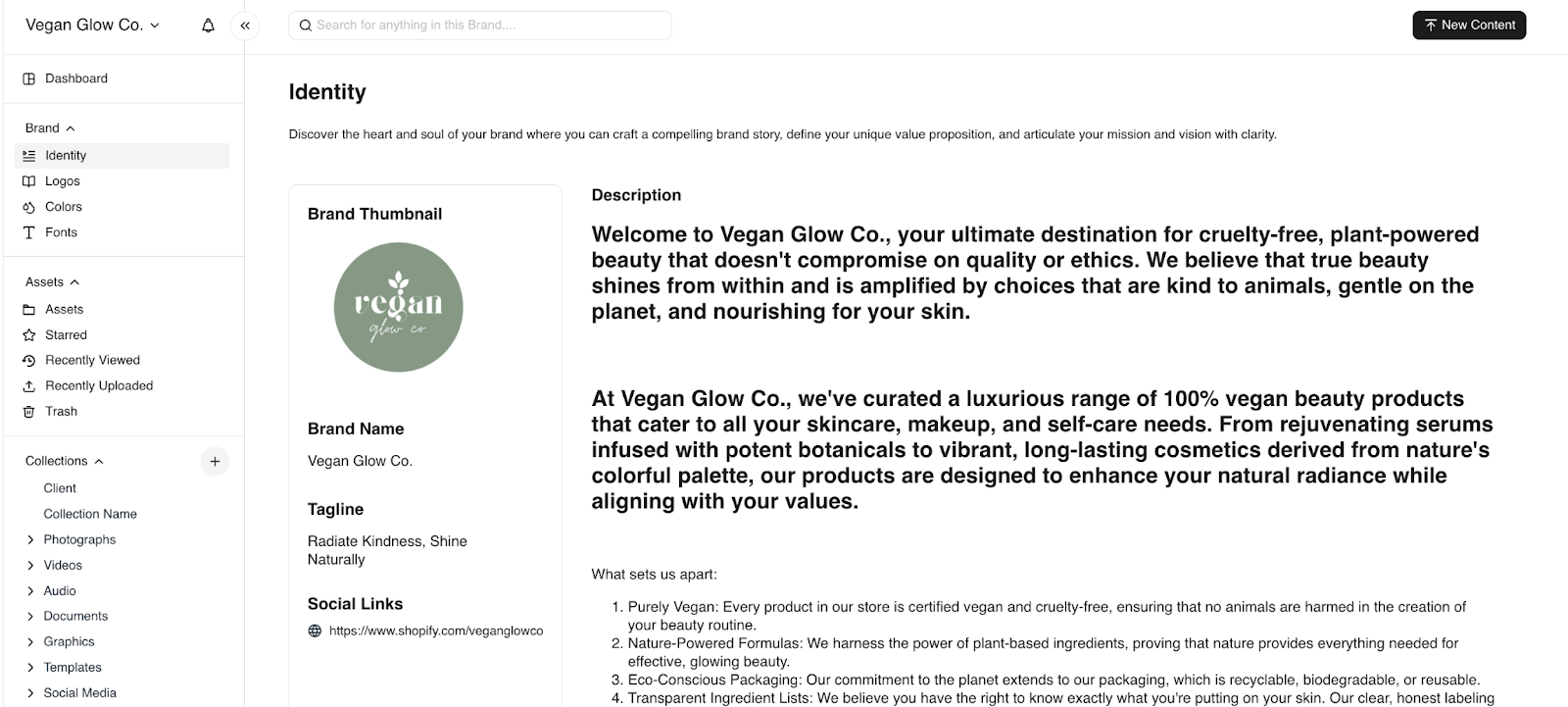
When integrated with BrandLife, brand guidelines become actionable, not just informational.
2. Leveraging digital asset management platforms
Technology plays a critical role in enforcing brand uniformity at scale.
A digital asset management software like BrandLife centralizes all brand assets in one secure location. With features such as:
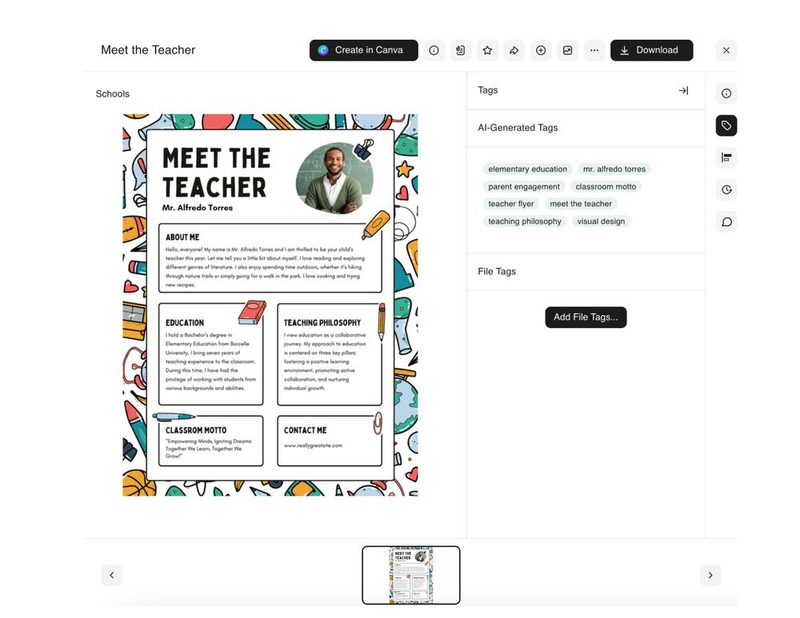
- AI-powered tagging for faster asset discovery,
- Version control to eliminate outdated files,
- Usage permissions to protect brand integrity,
- Real-time collaboration across teams and agencies,
BrandLife ensures that uniformity is maintained automatically.
3. Training and aligning your team
Even the best systems fail without alignment.
Brands that succeed in uniformity invest in regular onboarding, refreshers, and enablement. This ensures that every stakeholder, including marketers, designers, sales teams, and partners, understands how to represent the brand correctly.
BrandLife supports this by making the right assets the easiest assets to use.
4. Measuring the impact of brand uniformity
Achieving brand uniformity doesn’t stop at implementation. You also need to measure its impact to ensure your brand standards are actually being followed and delivering results.
Some of the key metrics to track:
- Brand recall and recognition scores: Measure how easily and accurately audiences remember and identify your brand across different touchpoints.
- Engagement consistency across channels: Indicates whether your content performs uniformly on platforms like web, social, email, and ads, reflecting a cohesive brand experience.
- Asset reuse rates: Show how often approved brand assets are reused instead of recreated, signaling effective asset accessibility and governance.
- Campaign execution speed: Tracks how quickly teams can launch campaigns from planning to go-live, highlighting the operational efficiency of your brand systems.
Tracking these KPIs helps teams justify investments in brand infrastructure and digital asset management platforms.
BrandLife makes it easier to track these metrics by combining asset usage data, version history, and access patterns into clear reporting dashboards.
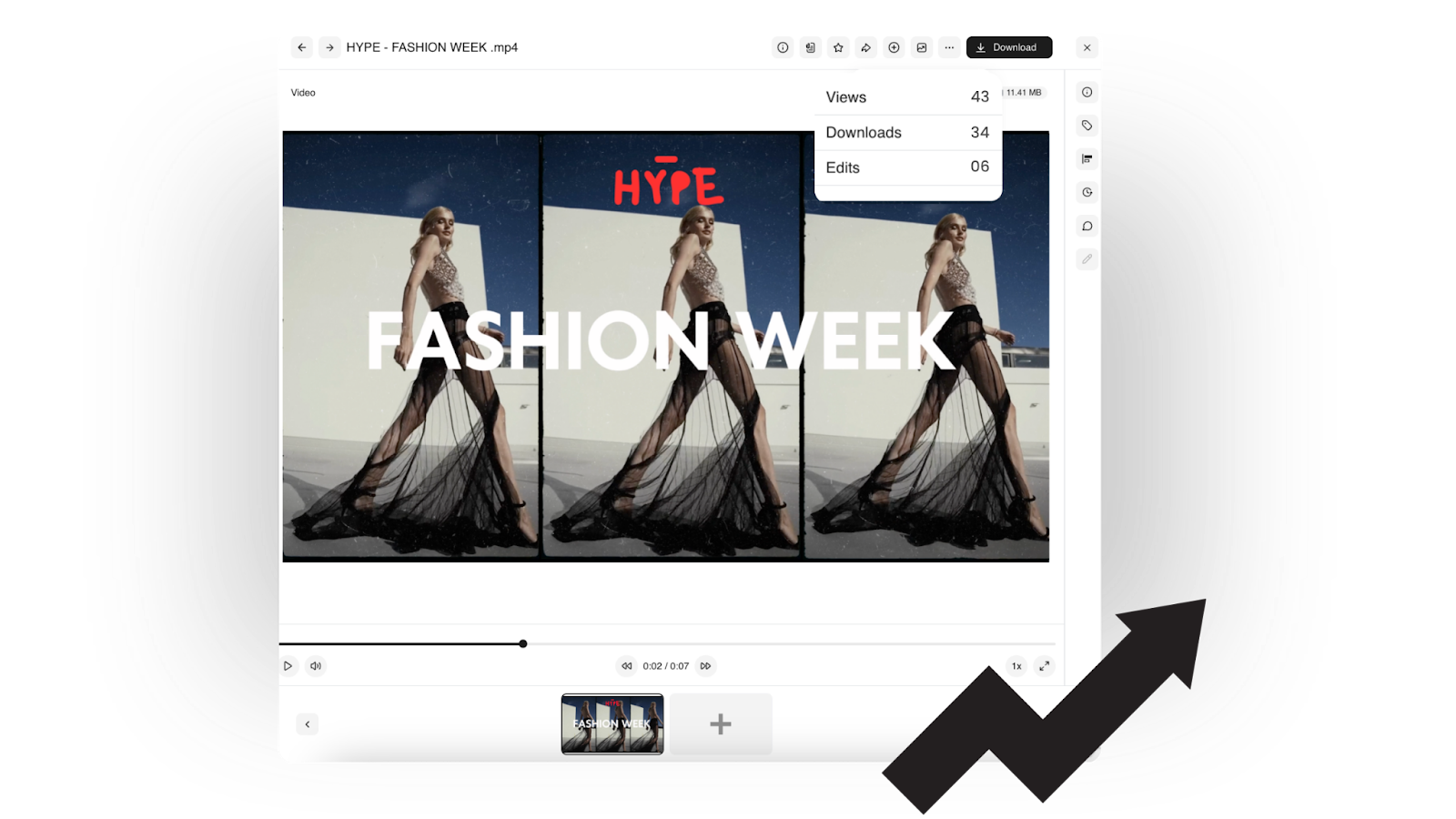
Teams can see which assets are being reused, where outdated files are still accessed, how quickly campaigns move from approval to launch, and whether brand-approved visuals are consistently applied.
This, in turn, helps brand uniformity from a subjective goal into a measurable, data-backed discipline.
Ensuring Brand Uniformity with BrandLife
Maintaining brand uniformity is no small feat, but with the right tools, it becomes much more manageable.
BrandLife is built for modern teams that need to scale without losing brand control. As a powerful digital asset management platform, BrandLife offers:
Workflow automation

BrandLife makes it easy to automate routine steps, such as approvals, version updates, and asset handoffs, to reduce manual effort. This helps teams move faster while maintaining alignment with brand standards.
Link sharing for external collaboration
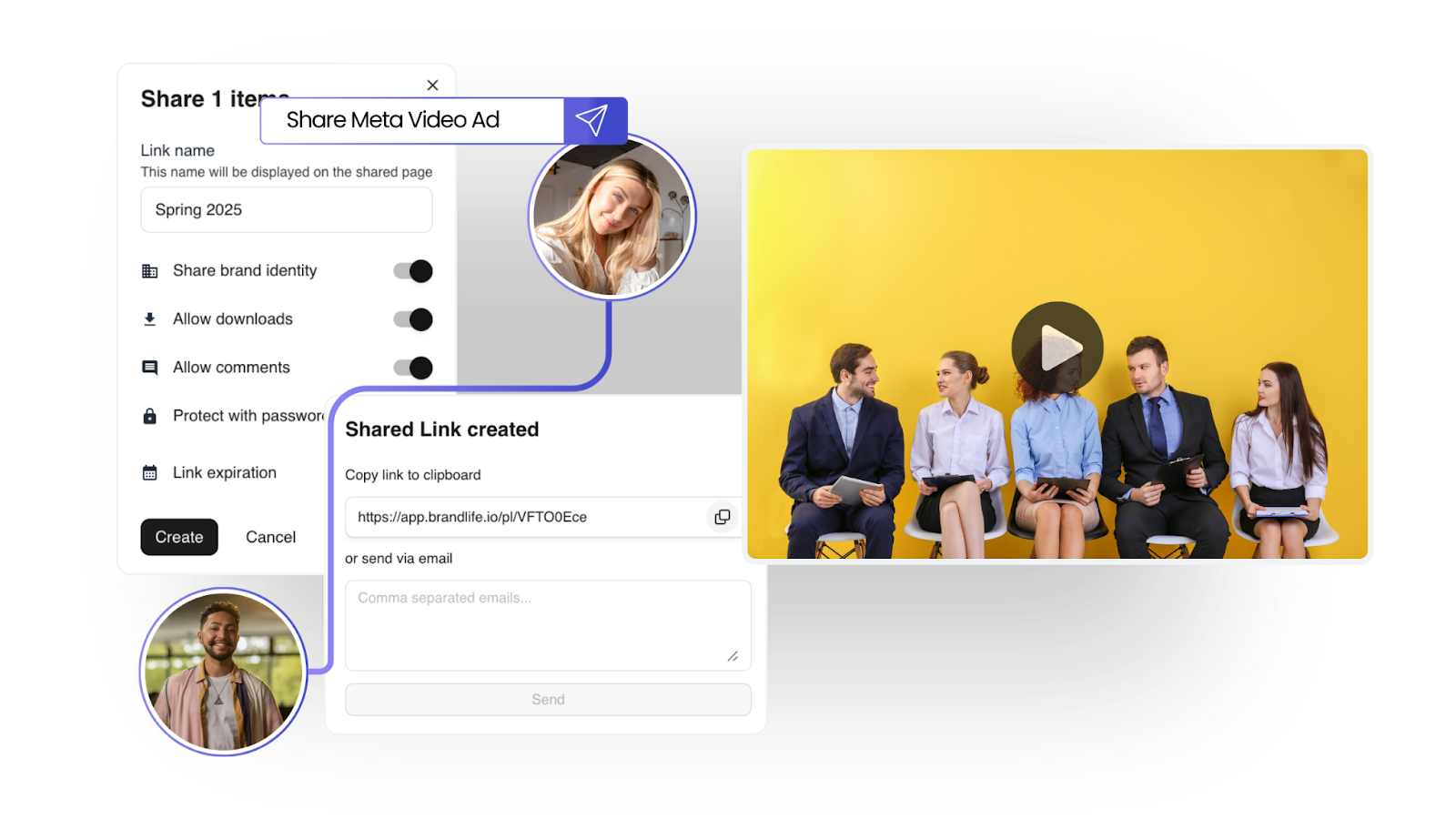
Using BrandLife, creative and marketing teams can securely share specific assets with agencies, partners, or freelancers without losing control. Access permissions ensure external collaborators use only approved, up-to-date files.
Seamless integration with third-party tools

BrandLife connects easily with existing design, marketing, and collaboration tools such as Canva, Figma, Slack, and more, to fit into current workflows. This reduces friction and helps teams maintain brand uniformity without switching platforms.
If you’re ready to protect your brand, accelerate your workflows, and maintain uniformity at scale, it’s time to modernize your brand operations.
Book A Demo today and experience how effortless brand uniformity can be.