

Understanding Multiple Branding: A Comprehensive Guide

Build, manage, and scale multiple brands, without losing consistency.

Key Takeaways

  • Multiple branding helps companies reach diverse segments by creating distinct brands tailored to specific customer needs, price points, and use cases.
  • Strong differentiation and brand architecture are crucial for avoiding overlap, confusion, and internal cannibalization across brands.
  • Operational discipline matters as much as strategy—scaling multiple brands requires structure, governance, and repeatable processes.
  • BrandLife’s digital asset management platform enables multi-brand execution at scale by centralizing assets, enforcing guidelines, and streamlining collaboration across teams.

Managing more than one brand is no longer limited to global conglomerates. Today, mid-sized companies, agencies, and fast-growing teams often manage multiple brands, sub-brands, or product lines simultaneously. 

Each brand targets a different audience, carries its own positioning, and must remain consistent across channels. That complexity is exactly why multiple branding has become a strategic priority, not just a marketing tactic.

This guide explains what multiple branding is, how it differs from related approaches, and how teams can manage it effectively using digital asset management (DAM) platforms like BrandLife.

What Is Multiple Branding?

Multiple branding is a strategy where a single company owns and operates two or more distinct brands within the same portfolio. Each brand has its own identity, messaging, and visual system, even though they may share internal teams, infrastructure, or resources.

Well-known multiple branding examples include Procter & Gamble, which owns Tide, Pampers, and Gillette, and Unilever, whose portfolio spans Dove, Ben & Jerry’s, and Hellmann’s. 
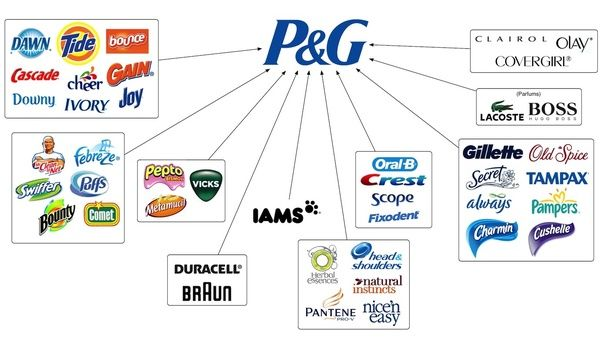
multiple branding example of  Procter & Gamble

These brands often compete in adjacent markets while maintaining clear separation in tone, design, and audience focus.

The key difference from a single-brand strategy is intentional separation. Instead of stretching one brand to cover every use case, companies create multiple brands to address different needs with precision.

Basics of Multiple Branding

At its core, multiple branding is built on a few core principles:

  • Segmentation: Each brand targets a specific customer niche or need.
  • Differentiation: Branding elements (tone, visual identity, value proposition) are unique, preventing brand dilution.
  • Autonomy: Individual brands may operate with their own marketing teams and strategies.
  • Risk diversification: The corporate parent’s success is not tied to a single brand’s performance. 

In today’s fragmented market, where customer preferences shift rapidly, multiple branding helps businesses stay agile and relevant. 

Companies with diverse brand portfolios are better equipped to capture market share growth by appealing to broad and varied demographics.

Multiple Branding vs. Multi-Product Branding

Before choosing between multiple branding and multi-product branding, it’s important to understand how these two strategies differ in structure, positioning, and long-term impact. 

While both aim to grow market reach, they take very different approaches to how brands and products are presented to customers.

Aspect Multiple Branding Multi-Product Branding
Definition Involves creating and managing multiple distinct brand identities under one parent company. Uses a single brand name to sell multiple products or product lines.
Brand Identity Each brand has its own name, positioning, voice, and visual identity. All products share the same brand identity, values, and positioning.
Customer Appeal Targets different motivations or needs—such as luxury vs. value, or eco-friendly vs. mainstream. Appeals to a similar audience by offering variety within the same brand promise.
Market Approach Focuses on capturing different market segments with tailored brands. Focuses on deepening loyalty within one segment through product extensions.
Risk Strategy Spreads risk across brands; one brand’s failure doesn’t impact the entire portfolio. Risk is concentrated—issues with the brand can affect all products.
Examples Unilever’s Dove, Magnum, and Axe are each unique and targeted. A skincare brand selling cleansers, toners, and moisturizers under the same brand name.

From a digital asset management perspective, multiple branding is more complex. Each brand needs its own asset library, permissions, and guidelines, while teams still require shared visibility and control.

What Are the Benefits of Multiple Branding? 

Embracing a multiple branding strategy offers several strategic advantages:

Expanding market reach

Multiple branding allows companies to design brands for specific customer segments, based on price sensitivity, lifestyle, values, or use cases. 

A strong example is Marriott International, which operates brands like Ritz-Carlton (luxury), Marriott (premium), Courtyard (business travelers), and Moxy (younger, lifestyle-focused guests). 

Each brand targets a distinct traveler persona, helping Marriott serve a wide spectrum of customers without confusing brand promises.

This approach enables:

  • Higher relevance for each audience segment
  • Better conversion through tailored positioning
  • Greater lifetime value as customers move within the brand ecosystem

Market leadership potential

A strong multi-brand portfolio increases a company’s total market footprint—from shelf space in retail to visibility across digital channels. When several of your brands rank, advertise, or appear in recommendations, you effectively crowd out competitors.

From a strategic lens, this means:

  • Greater bargaining power with distributors and partners
  • More data across segments to spot trends early
  • Stronger resilience during market shifts or demand changes

With the right systems in place, marketing teams can scale campaigns across brands without losing control over brand consistency. For instance, BrandLife’s digital asset management solution enables centralized asset governance and distribution.

BrandLife's approval workflow feature for multiple brand governance
BrandLife’s approval workflow ensures centralized brand governance

Internal competition and innovation

One underrated benefit of multiple branding is how it fuels internal innovation. When brands operate with some autonomy, they naturally experiment with new formats, messaging, products, and channels.

For instance, if one brand discovers a high-performing content format or packaging style, those insights can be adapted by others, raising the bar for the entire organization.

With a brand management software like BrandLife, teams can easily share best-performing assets, campaigns, and templates across brands. This turns innovation into a repeatable, scalable process instead of isolated wins.
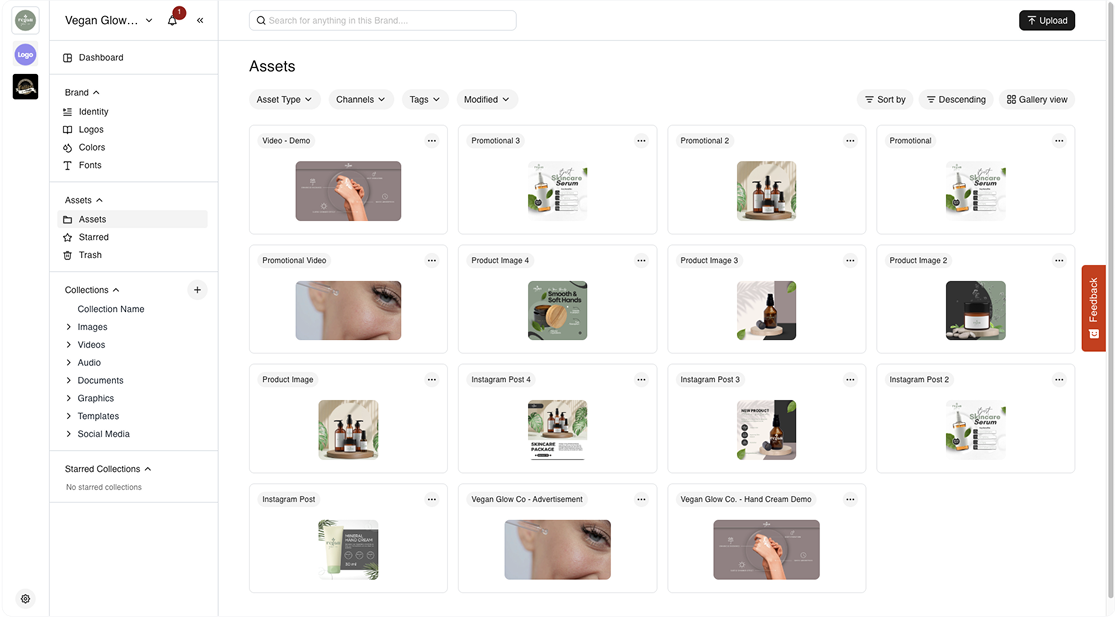
BrandLife's centralized storage
BrandLife’s digital asset centralized storage for valuable marketing materials

Disadvantages of Multiple Branding

While multiple branding can unlock growth, it also adds layers of complexity if not managed with the right strategy, structure, and systems. 

Understanding these challenges upfront helps businesses scale their brand portfolio without losing focus or efficiency.

Challenges in brand distinction

One of the biggest risks in multiple branding is blurring the lines between brands. 

When positioning, messaging, or visual identity overlaps, customers may struggle to see why one brand exists alongside another. This may lead to confusion or even internal cannibalization.

Without disciplined brand architecture and governance, this can result in:

  • Diluted brand identities
  • Mixed signals in the market
  • Brands competing for the same audience instead of expanding their reach

This is where strong brand guidelines and a centralized digital asset management system like BrandLife become critical, ensuring every team uses the right assets, voice, and visuals for each brand, every time.
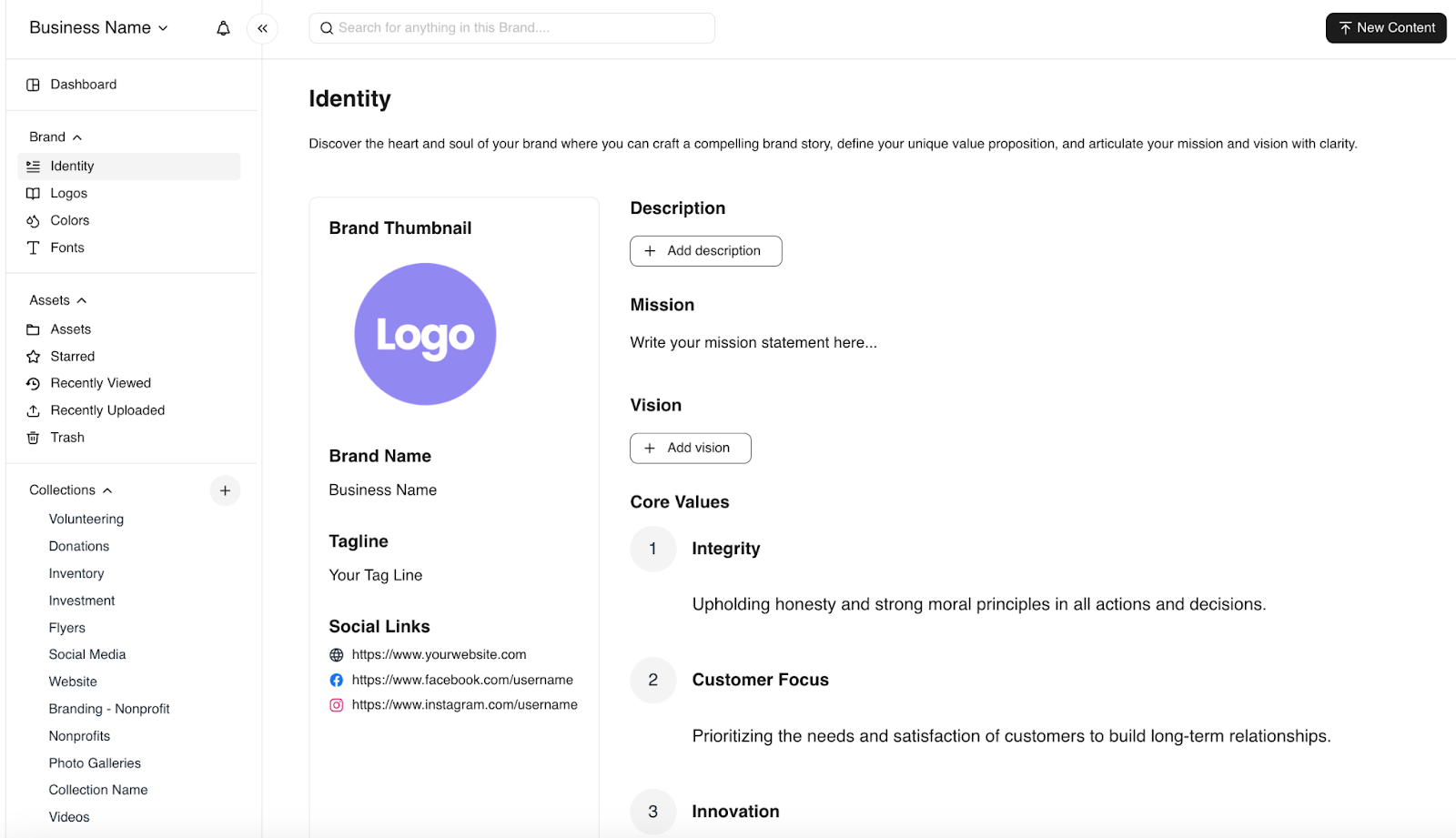
maintain brand consistency by storing guidelines on BrandLife's portal
BrandLife’s Brand Guideline portal, where you can store the brand’s core statements, including value, mission, and vision

Resource allocation issues

Multiple brands demand multiple investments in campaigns, content, teams, tools, and channels. As the portfolio grows, so do operational costs and coordination efforts.

Common challenges include:

  • Higher marketing and production spend
  • Duplication of effort across teams
  • Slower execution due to scattered assets and approvals

For growing companies, this can stretch budgets and teams thin if processes remain manual or fragmented. A scalable digital asset management approach helps offset this by centralizing assets, enabling reuse, and streamlining collaboration. 

This enables teams to do more without proportionally increasing resources.

Multiple Branding Strategy Examples

Seeing multiple brands in action helps clarify how different approaches work in real-world scenarios. 

While the core idea remains the same, i.e., serving distinct segments with distinct brands, companies adapt their multi-brand strategies based on industry dynamics, customer behavior, and growth goals. 

Here are a few multiple branding strategy examples that illustrate how this model drives scale, resilience, and market leadership.

Volkswagen Group: Segment-led brand architecture
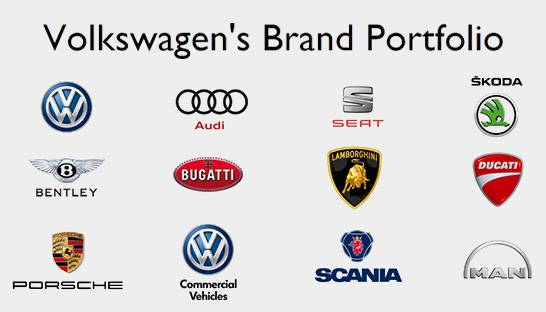
Volkswagen Group multiple brand in marketing

Volkswagen Group manages a diverse portfolio that includes Volkswagen (mass market), Škoda (value-focused), SEAT (sporty), Audi (premium), Porsche (luxury sports), and Lamborghini (ultra-luxury).

Strategy in action

  • Each brand targets a specific price tier and lifestyle segment.
  • Product engineering may be shared, but brand identities remain sharply distinct.
  • Marketing, design language, and positioning are customized per brand.

Impact

Volkswagen Group captures customers across almost every automotive segment, from practical family cars to elite supercars, without diluting any single brand’s promise.

Coca-Cola Company: Category and occasion expansion
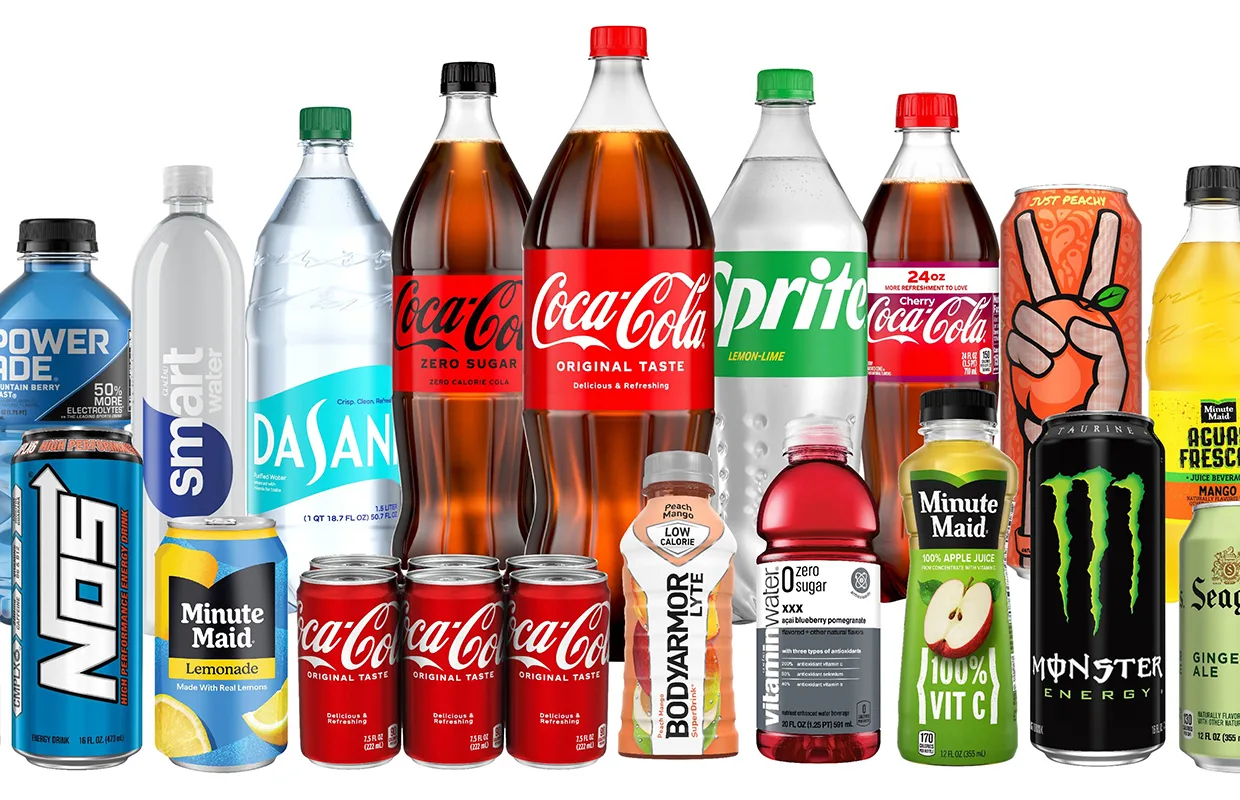
Coco cola multiple products in multiple branding

Beyond its flagship cola, the Coca-Cola company owns brands like Sprite, Fanta, Minute Maid, Simply, Powerade, and Dasani—each designed for different tastes, age groups, and consumption occasions.

Strategy in action

  • Separate brands dominate different beverage categories (soft drinks, juices, sports drinks, water).
  • Each brand has its own identity and emotional appeal.
  • Coca-Cola maximizes shelf space and visibility by occupying multiple positions in the same aisle.

Impact

Instead of forcing all products under one cola-centric identity, Coca-Cola uses multiple branding to stay relevant across health trends, flavor preferences, and global markets.

What these multiple branding strategy examples show

Across industries, successful multiple branding strategies share common patterns:

  • Clear segmentation: Each brand exists for a well-defined audience and need.
  • Strong differentiation: Visual identity, tone, and value propositions are distinct.
  • Portfolio thinking: Brands are managed as a system, not in isolation.
  • Operational discipline: Execution relies on structure, processes, and technology.

For modern marketing teams, this is where digital asset management becomes essential. Managing creatives, campaigns, and guidelines for multiple brands without a centralized system quickly becomes chaotic.

BrandLife helps multi-brand organizations:

  • Centralize assets for every brand in one platform
  • Enforce brand-specific guidelines and permissions
  • Enable faster campaign launches across regions and teams
  • Reuse and localize assets without losing brand integrity
💡 After implementing BrandLife, the ABARA Marketing Group achieved a 50% reduction in asset retrieval time and a 30% decrease in brand inconsistencies. With streamlined collaboration and well-organized assets, their team was also able to launch campaigns a full week faster than before.

How to Implement a Multi-Brand Strategy Effectively

Implementing a multi-brand strategy is as much about operational discipline as it is about creative positioning. The goal is to scale brand diversity without creating complexity for your teams. 

Here’s a step-by-step guide on how to implement a multi-brand strategy successfully. 

1. Set clear strategic goals

Start with the “why.” Whether it’s market expansion, new segment targeting, or risk diversification, every new brand should map back to a clear business outcome.

BrandLife helps align assets and campaigns to these goals with structured folders and metadata.
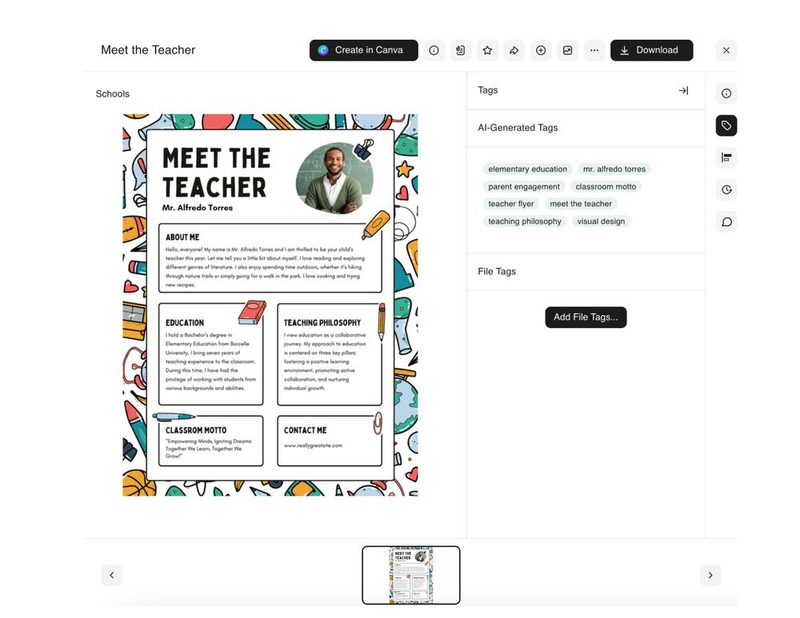
BrandLife's cloud DAM feature – AI tagging and smart search
BrandLife automatically assigns relevant tags to streamline asset organization

2. Define audience segments

Map out who each brand is for. Strong segmentation ensures your brands expand their reach instead of competing for the same customers.

When teams store personal insights, messaging frameworks, and campaign assets in BrandLife, it becomes easier to keep every brand focused on its audience.
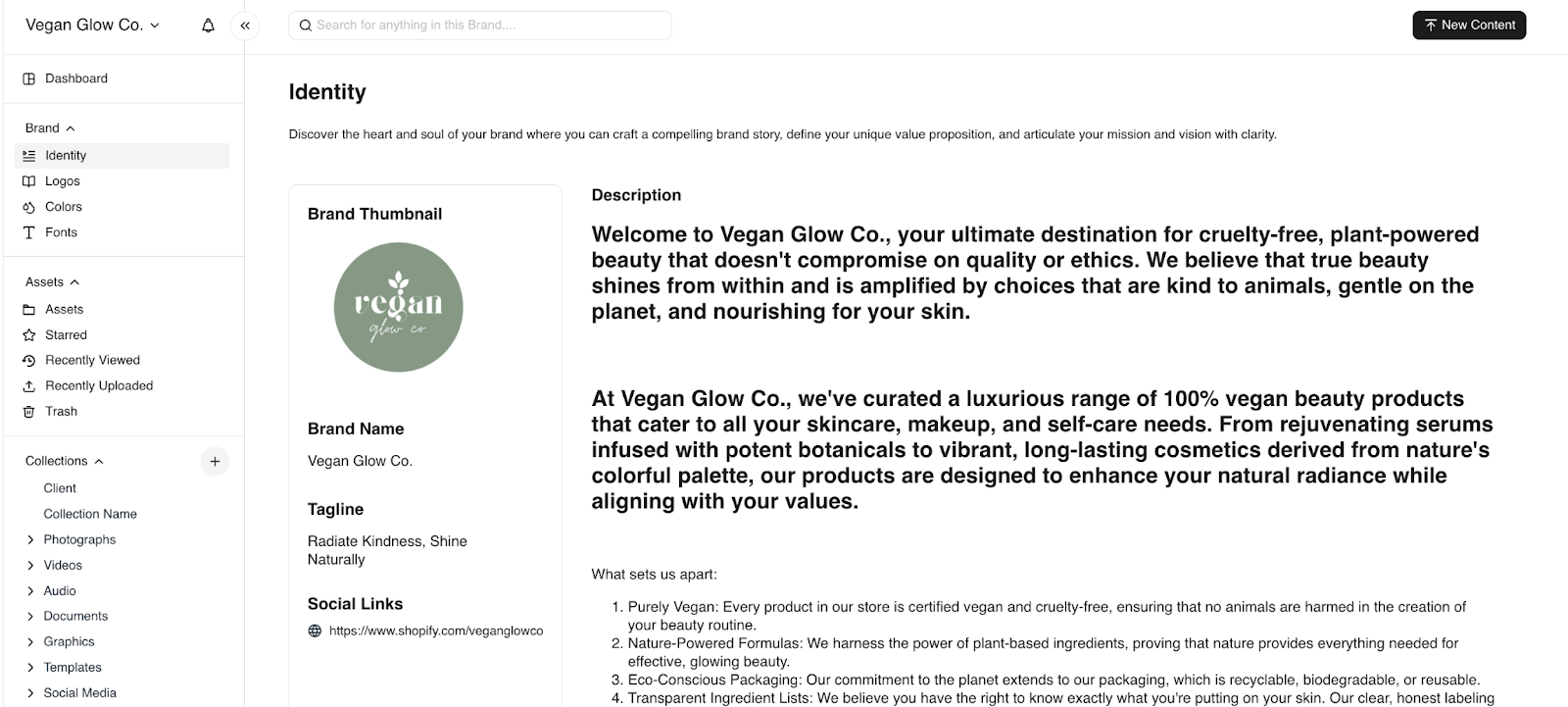
maintain multiple brand's visual identity guide on BrandLife's Dam platform
BrandLife’s portal to store your brand messaging and tone 

3. Create distinct identities

The next step is to develop unique positioning, tone, and visual systems for every brand so each one feels purposeful and recognizable in the market. 

With BrandLife, each brand can have its own asset library and guidelines, ensuring teams never mix creatives or dilute identities.

4. Develop a brand architecture framework

Decide how brands relate—standalone, endorsed, or hybrid—to bring structure and clarity to your portfolio as it grows. 

BrandLife supports this by organizing assets by brand hierarchy and controlling access based on roles and regions.
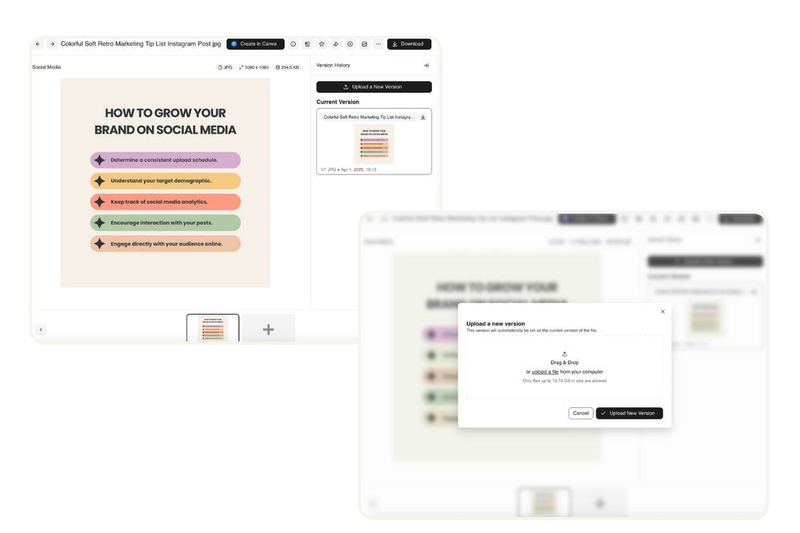
Manage your multiple brand consistency with BrandLife's version control feature
BrandLife’s version control feature helps ensure brand consistency across channels

5. Leverage digital asset management systems

Use a digital asset management platform to centralize, version, and distribute assets across teams and partners, ensuring every campaign uses the latest, on-brand creatives. 

BrandLife goes a step further with secure external link sharing, expiration controls, and role-based access, so even external stakeholders stay aligned with your brand standards.

BrandLife's DAM external collaboration feature with shareholders and freelancers
BrandLife’s shareable link feature simplifies collaboration with internal and external stakeholders

6. Measure performance and iterate

Track KPIs such as awareness, engagement, and revenue for each brand to understand what’s working. Use these insights to refine positioning, investment, and execution over time.

With BrandLife’s reporting and asset usage analytics, you can identify high-performing creatives and scale what works across your portfolio.

Cloud based digital asset management, BrandLife — built in analytical feature screenshot
BrandLife’s insights into asset usage and its performance

Is Multiple Branding Right for You?

Multiple branding is a powerful strategy for companies ready to invest in distinct identities, robust marketing, and careful resource management.

Consider these questions:

  • Do you have clear audience segments that require unique positioning?
  • Can your team manage distinct brand narratives?
  • Do you have the digital infrastructure, like a brand asset management solution, to support multiple brand assets?

If yes, multiple branding can help expand reach, diversify risk, and unlock new revenue streams.

Start your free trial with BrandLife to see how multi-brand management can work without added complexity.

Frequently Asked Questions

How can I identify if multiple branding is suitable for my business?

Multiple branding makes sense if you serve clearly different customer segments or plan to enter new markets with distinct positioning. If one brand can’t credibly meet all audience needs, a multi-brand strategy is worth exploring.

What technologies or tools can assist in managing a multi-brand strategy?

Centralized platforms like digital asset management (DAM) systems are essential for organizing assets, guidelines, and campaigns across brands. Tools like BrandLife help teams maintain consistency, control versions, and collaborate efficiently at scale.

How to avoid brand overlap and ensure distinct brand identities?

Define clear brand roles, audiences, and positioning for each brand from the start. Strong brand guidelines and disciplined asset governance prevent teams from mixing visuals or messaging across brands.

Related

See more
Understanding Multiple Branding: A Comprehensive Guide

Understanding Multiple Branding: A Comprehensive Guide

Coordinating Graphics Across Multiple Locations: Ensuring Brand Consistency

Coordinating Graphics Across Multiple Locations: Ensuring Brand Consistency

Brand Uniformity: The Key to Cohesive Branding

Brand Uniformity: The Key to Cohesive Branding

Ready to make your brand unstoppable?

Try it free or request a quote. Let’s build your brand’s next.

Understanding Multiple Branding: A Comprehensive Guide

Build, manage, and scale multiple brands, without losing consistency.
Start Free TrialDownload Free PDF
Understanding Multiple Branding: A Comprehensive Guide

Key Takeways

  • Multiple branding helps companies reach diverse segments by creating distinct brands tailored to specific customer needs, price points, and use cases.
  • Strong differentiation and brand architecture are crucial for avoiding overlap, confusion, and internal cannibalization across brands.
  • Operational discipline matters as much as strategy—scaling multiple brands requires structure, governance, and repeatable processes.
  • BrandLife’s digital asset management platform enables multi-brand execution at scale by centralizing assets, enforcing guidelines, and streamlining collaboration across teams.

Managing more than one brand is no longer limited to global conglomerates. Today, mid-sized companies, agencies, and fast-growing teams often manage multiple brands, sub-brands, or product lines simultaneously. 

Each brand targets a different audience, carries its own positioning, and must remain consistent across channels. That complexity is exactly why multiple branding has become a strategic priority, not just a marketing tactic.

This guide explains what multiple branding is, how it differs from related approaches, and how teams can manage it effectively using digital asset management (DAM) platforms like BrandLife.

What Is Multiple Branding?

Multiple branding is a strategy where a single company owns and operates two or more distinct brands within the same portfolio. Each brand has its own identity, messaging, and visual system, even though they may share internal teams, infrastructure, or resources.

Well-known multiple branding examples include Procter & Gamble, which owns Tide, Pampers, and Gillette, and Unilever, whose portfolio spans Dove, Ben & Jerry’s, and Hellmann’s. 

multiple branding example of  Procter & Gamble

These brands often compete in adjacent markets while maintaining clear separation in tone, design, and audience focus.

The key difference from a single-brand strategy is intentional separation. Instead of stretching one brand to cover every use case, companies create multiple brands to address different needs with precision.

Basics of Multiple Branding

At its core, multiple branding is built on a few core principles:

  • Segmentation: Each brand targets a specific customer niche or need.
  • Differentiation: Branding elements (tone, visual identity, value proposition) are unique, preventing brand dilution.
  • Autonomy: Individual brands may operate with their own marketing teams and strategies.
  • Risk diversification: The corporate parent’s success is not tied to a single brand’s performance. 

In today’s fragmented market, where customer preferences shift rapidly, multiple branding helps businesses stay agile and relevant. 

Companies with diverse brand portfolios are better equipped to capture market share growth by appealing to broad and varied demographics.

Multiple Branding vs. Multi-Product Branding

Before choosing between multiple branding and multi-product branding, it’s important to understand how these two strategies differ in structure, positioning, and long-term impact. 

While both aim to grow market reach, they take very different approaches to how brands and products are presented to customers.

Aspect Multiple Branding Multi-Product Branding
Definition Involves creating and managing multiple distinct brand identities under one parent company. Uses a single brand name to sell multiple products or product lines.
Brand Identity Each brand has its own name, positioning, voice, and visual identity. All products share the same brand identity, values, and positioning.
Customer Appeal Targets different motivations or needs—such as luxury vs. value, or eco-friendly vs. mainstream. Appeals to a similar audience by offering variety within the same brand promise.
Market Approach Focuses on capturing different market segments with tailored brands. Focuses on deepening loyalty within one segment through product extensions.
Risk Strategy Spreads risk across brands; one brand’s failure doesn’t impact the entire portfolio. Risk is concentrated—issues with the brand can affect all products.
Examples Unilever’s Dove, Magnum, and Axe are each unique and targeted. A skincare brand selling cleansers, toners, and moisturizers under the same brand name.

From a digital asset management perspective, multiple branding is more complex. Each brand needs its own asset library, permissions, and guidelines, while teams still require shared visibility and control.

What Are the Benefits of Multiple Branding? 

Embracing a multiple branding strategy offers several strategic advantages:

Expanding market reach

Multiple branding allows companies to design brands for specific customer segments, based on price sensitivity, lifestyle, values, or use cases. 

A strong example is Marriott International, which operates brands like Ritz-Carlton (luxury), Marriott (premium), Courtyard (business travelers), and Moxy (younger, lifestyle-focused guests). 

Each brand targets a distinct traveler persona, helping Marriott serve a wide spectrum of customers without confusing brand promises.

This approach enables:

  • Higher relevance for each audience segment
  • Better conversion through tailored positioning
  • Greater lifetime value as customers move within the brand ecosystem

Market leadership potential

A strong multi-brand portfolio increases a company’s total market footprint—from shelf space in retail to visibility across digital channels. When several of your brands rank, advertise, or appear in recommendations, you effectively crowd out competitors.

From a strategic lens, this means:

  • Greater bargaining power with distributors and partners
  • More data across segments to spot trends early
  • Stronger resilience during market shifts or demand changes

With the right systems in place, marketing teams can scale campaigns across brands without losing control over brand consistency. For instance, BrandLife’s digital asset management solution enables centralized asset governance and distribution.

BrandLife's approval workflow feature for multiple brand governance
BrandLife’s approval workflow ensures centralized brand governance

Internal competition and innovation

One underrated benefit of multiple branding is how it fuels internal innovation. When brands operate with some autonomy, they naturally experiment with new formats, messaging, products, and channels.

For instance, if one brand discovers a high-performing content format or packaging style, those insights can be adapted by others, raising the bar for the entire organization.

With a brand management software like BrandLife, teams can easily share best-performing assets, campaigns, and templates across brands. This turns innovation into a repeatable, scalable process instead of isolated wins.

BrandLife's centralized storage
BrandLife’s digital asset centralized storage for valuable marketing materials

Disadvantages of Multiple Branding

While multiple branding can unlock growth, it also adds layers of complexity if not managed with the right strategy, structure, and systems. 

Understanding these challenges upfront helps businesses scale their brand portfolio without losing focus or efficiency.

Challenges in brand distinction

One of the biggest risks in multiple branding is blurring the lines between brands. 

When positioning, messaging, or visual identity overlaps, customers may struggle to see why one brand exists alongside another. This may lead to confusion or even internal cannibalization.

Without disciplined brand architecture and governance, this can result in:

  • Diluted brand identities
  • Mixed signals in the market
  • Brands competing for the same audience instead of expanding their reach

This is where strong brand guidelines and a centralized digital asset management system like BrandLife become critical, ensuring every team uses the right assets, voice, and visuals for each brand, every time.

maintain brand consistency by storing guidelines on BrandLife's portal
BrandLife’s Brand Guideline portal, where you can store the brand’s core statements, including value, mission, and vision

Resource allocation issues

Multiple brands demand multiple investments in campaigns, content, teams, tools, and channels. As the portfolio grows, so do operational costs and coordination efforts.

Common challenges include:

  • Higher marketing and production spend
  • Duplication of effort across teams
  • Slower execution due to scattered assets and approvals

For growing companies, this can stretch budgets and teams thin if processes remain manual or fragmented. A scalable digital asset management approach helps offset this by centralizing assets, enabling reuse, and streamlining collaboration. 

This enables teams to do more without proportionally increasing resources.

Multiple Branding Strategy Examples

Seeing multiple brands in action helps clarify how different approaches work in real-world scenarios. 

While the core idea remains the same, i.e., serving distinct segments with distinct brands, companies adapt their multi-brand strategies based on industry dynamics, customer behavior, and growth goals. 

Here are a few multiple branding strategy examples that illustrate how this model drives scale, resilience, and market leadership.

Volkswagen Group: Segment-led brand architecture

Volkswagen Group multiple brand in marketing

Volkswagen Group manages a diverse portfolio that includes Volkswagen (mass market), Škoda (value-focused), SEAT (sporty), Audi (premium), Porsche (luxury sports), and Lamborghini (ultra-luxury).

Strategy in action

  • Each brand targets a specific price tier and lifestyle segment.
  • Product engineering may be shared, but brand identities remain sharply distinct.
  • Marketing, design language, and positioning are customized per brand.

Impact

Volkswagen Group captures customers across almost every automotive segment, from practical family cars to elite supercars, without diluting any single brand’s promise.

Coca-Cola Company: Category and occasion expansion

Coco cola multiple products in multiple branding

Beyond its flagship cola, the Coca-Cola company owns brands like Sprite, Fanta, Minute Maid, Simply, Powerade, and Dasani—each designed for different tastes, age groups, and consumption occasions.

Strategy in action

  • Separate brands dominate different beverage categories (soft drinks, juices, sports drinks, water).
  • Each brand has its own identity and emotional appeal.
  • Coca-Cola maximizes shelf space and visibility by occupying multiple positions in the same aisle.

Impact

Instead of forcing all products under one cola-centric identity, Coca-Cola uses multiple branding to stay relevant across health trends, flavor preferences, and global markets.

What these multiple branding strategy examples show

Across industries, successful multiple branding strategies share common patterns:

  • Clear segmentation: Each brand exists for a well-defined audience and need.
  • Strong differentiation: Visual identity, tone, and value propositions are distinct.
  • Portfolio thinking: Brands are managed as a system, not in isolation.
  • Operational discipline: Execution relies on structure, processes, and technology.

For modern marketing teams, this is where digital asset management becomes essential. Managing creatives, campaigns, and guidelines for multiple brands without a centralized system quickly becomes chaotic.

BrandLife helps multi-brand organizations:

  • Centralize assets for every brand in one platform
  • Enforce brand-specific guidelines and permissions
  • Enable faster campaign launches across regions and teams
  • Reuse and localize assets without losing brand integrity
💡 After implementing BrandLife, the ABARA Marketing Group achieved a 50% reduction in asset retrieval time and a 30% decrease in brand inconsistencies. With streamlined collaboration and well-organized assets, their team was also able to launch campaigns a full week faster than before.

How to Implement a Multi-Brand Strategy Effectively

Implementing a multi-brand strategy is as much about operational discipline as it is about creative positioning. The goal is to scale brand diversity without creating complexity for your teams. 

Here’s a step-by-step guide on how to implement a multi-brand strategy successfully. 

1. Set clear strategic goals

Start with the “why.” Whether it’s market expansion, new segment targeting, or risk diversification, every new brand should map back to a clear business outcome.

BrandLife helps align assets and campaigns to these goals with structured folders and metadata.

BrandLife's cloud DAM feature – AI tagging and smart search
BrandLife automatically assigns relevant tags to streamline asset organization

2. Define audience segments

Map out who each brand is for. Strong segmentation ensures your brands expand their reach instead of competing for the same customers.

When teams store personal insights, messaging frameworks, and campaign assets in BrandLife, it becomes easier to keep every brand focused on its audience.

maintain multiple brand's visual identity guide on BrandLife's Dam platform
BrandLife’s portal to store your brand messaging and tone 

3. Create distinct identities

The next step is to develop unique positioning, tone, and visual systems for every brand so each one feels purposeful and recognizable in the market. 

With BrandLife, each brand can have its own asset library and guidelines, ensuring teams never mix creatives or dilute identities.

4. Develop a brand architecture framework

Decide how brands relate—standalone, endorsed, or hybrid—to bring structure and clarity to your portfolio as it grows. 

BrandLife supports this by organizing assets by brand hierarchy and controlling access based on roles and regions.

Manage your multiple brand consistency with BrandLife's version control feature
BrandLife’s version control feature helps ensure brand consistency across channels

5. Leverage digital asset management systems

Use a digital asset management platform to centralize, version, and distribute assets across teams and partners, ensuring every campaign uses the latest, on-brand creatives. 

BrandLife goes a step further with secure external link sharing, expiration controls, and role-based access, so even external stakeholders stay aligned with your brand standards.

BrandLife's DAM external collaboration feature with shareholders and freelancers
BrandLife’s shareable link feature simplifies collaboration with internal and external stakeholders

6. Measure performance and iterate

Track KPIs such as awareness, engagement, and revenue for each brand to understand what’s working. Use these insights to refine positioning, investment, and execution over time.

With BrandLife’s reporting and asset usage analytics, you can identify high-performing creatives and scale what works across your portfolio.

Cloud based digital asset management, BrandLife — built in analytical feature screenshot
BrandLife’s insights into asset usage and its performance

Is Multiple Branding Right for You?

Multiple branding is a powerful strategy for companies ready to invest in distinct identities, robust marketing, and careful resource management.

Consider these questions:

  • Do you have clear audience segments that require unique positioning?
  • Can your team manage distinct brand narratives?
  • Do you have the digital infrastructure, like a brand asset management solution, to support multiple brand assets?

If yes, multiple branding can help expand reach, diversify risk, and unlock new revenue streams.

Start your free trial with BrandLife to see how multi-brand management can work without added complexity.

Frequently Asked Questions

How can I identify if multiple branding is suitable for my business?

Multiple branding makes sense if you serve clearly different customer segments or plan to enter new markets with distinct positioning. If one brand can’t credibly meet all audience needs, a multi-brand strategy is worth exploring.

What technologies or tools can assist in managing a multi-brand strategy?

Centralized platforms like digital asset management (DAM) systems are essential for organizing assets, guidelines, and campaigns across brands. Tools like BrandLife help teams maintain consistency, control versions, and collaborate efficiently at scale.

How to avoid brand overlap and ensure distinct brand identities?

Define clear brand roles, audiences, and positioning for each brand from the start. Strong brand guidelines and disciplined asset governance prevent teams from mixing visuals or messaging across brands.

Professional Branding Start Here

Everything you need to launch and maintain a consistent brand.

Try Free TrialLearn More

Related Resources

Understanding Multiple Branding: A Comprehensive Guide

Understanding Multiple Branding: A Comprehensive Guide

Coordinating Graphics Across Multiple Locations: Ensuring Brand Consistency

Coordinating Graphics Across Multiple Locations: Ensuring Brand Consistency

Transform the way you

manage your assets

8.8 hours/ week are wasted just looking for files and content