
Building a Strong Brand Management Strategy: A Complete Guide

BrandLife keeps assets centralized, guidelines enforced, and brand success scaling.

Key Takeways

  • Brand management strategy is a continuous, cross-functional effort. It's not just about logos or marketing but also involves every team ensuring a consistent, authentic experience across all touchpoints.

  • A strong brand management strategy drives long-term growth. When executed well, it builds brand recognition, customer trust, and loyalty, resulting in competitive advantage and scalable success.

  • Continuous monitoring and adaptation of your brand management are essential. Methods like brand audits, NPS surveys, and social listening help you track brand health and respond quickly to market changes or feedback.

  • Platforms like BrandLife streamline brand management strategy execution. It centralizes assets, enforces brand guidelines, and offers real-time insights, making it easier to scale and protect your brand effectively.

Creative and ad agencies, real estate and architectural firms, and nonprofit organizations often labor under the following misconceptions when it comes to brand management strategy:  

  • It’s just about the logo and visuals.
  • It’s only for big companies with big budgets.
  • It’s solely marketing’s responsibility.
  • It’s a one-time project or campaign.
  • It guarantees instant sales.
  • One brand strategy fits all industries.

In today's competitive marketplace, a strong brand management strategy isn't just a nice-to-have—it's essential for sustainable business growth. This comprehensive guide will walk you through the fundamentals of brand management strategy, from core concepts to implementation frameworks, helping you build a brand that resonates with your audience and drives measurable business results.

Whether you're a marketing director at a creative agency, a brand manager at a nonprofit, or an operations leader at an architectural firm, this guide provides actionable insights for organizations of all sizes. You'll learn how to develop, implement, and adapt a brand management strategy that aligns with your business goals and evolves with changing market conditions.

What is a Brand Management Strategy?

Brand management strategy is a structured, long-term approach to maintaining, strengthening, and evolving your brand.

It ensures your brand identity is consistently represented across all channels, resonates with your target audience, and grows in alignment with your business goals and market dynamics.

Brand management is not just about how your brand looks or sounds, but how it delivers on its promise in every customer interaction.

The key components of successful brand strategy management include:

1. Brand Positioning

Establishes a clear, differentiated space in both the market and consumers' minds. A strong positioning statement uses the template: "For [target clients], [company name] is the [market definition] that delivers [brand promise] because only [company name] is [reason to believe]." This positioning becomes the foundation for all marketing activities and helps align internal staff around shared objectives.

Example: Volvo's positioning as "the automotive brand that prioritizes family safety" guides everything from product development to marketing communications.

2. Brand Messaging & Communication

Communicates what your brand stands for with clarity and consistency. This includes developing integrated marketing communications across all channels and engaging consumers through storytelling and content marketing. Consistency in messaging across platforms directly correlates with revenue growth—research shows consistent brand presentation increases revenue by up to 23%.

Example: Apple's "Think Different" campaign established a consistent messaging framework that has evolved but remained recognizable for decades.

3. Visual Identity

Encompasses logos, color palettes, typography, and design elements that reinforce brand recognition. Given that 55% of brand first impressions are visual, this component significantly impacts how audiences perceive and remember your brand.

Example: Target's distinctive red bullseye is instantly recognizable, creating immediate brand recall even without the company name.

4. Customer Experience & Brand Loyalty

Makes sure every touchpoint reflects your brand values and quality. Building brand loyalty through consistent, authentic experiences fosters deeper customer relationships and repeat business.

Example: Disney's meticulous attention to experience design across parks, products, and digital platforms creates consistent magic that builds multi-generational loyalty.

5. Brand Governance

Establishes guidelines and processes to maintain consistency while enabling controlled adaptation as the brand evolves. This ensures all employees understand brand standards and can represent the brand authentically.

Example: Starbucks maintains strict brand guidelines while allowing seasonal adaptations that keep the brand fresh without compromising recognition.

Together, these elements create a framework that guides your brand’s long-term growth and helps build trust and loyalty with your audience.

At its foundation, brand management requires defining your brand's purpose (why you exist beyond making money), positioning (your elevator pitch in the market), personality (emotional resonance with customers), and value proposition (unique benefits you offer). These elements guide long-term growth, build trust with audiences, and help your organization make consistent decisions aligned with brand values.

The most successful brands—from Nike to Apple to Volvo—demonstrate how these pillars work together. Nike's purpose of athletic achievement informs its inspirational personality, which shapes its communication strategy, which guides its customer experience design. This alignment creates a coherent brand that customers instantly recognize and trust.

When developing your brand management strategy, consider how each pillar supports and reinforces the others. Inconsistencies between pillars (like premium positioning with budget customer experience) create dissonance that undermines brand credibility.

Why Brand Management Matters: Key Benefits

Investing in a robust brand management strategy delivers measurable advantages for organizations of all sizes and industries. Here are the top benefits:

  • Brand Consistency & Market Recognition: Ensures all communications and assets align with your brand guidelines, building recognition and trust. According to Lucidpress research, consistent brand presentation across platforms increases revenue by up to 23%. This consistency extends to employee understanding—clear brand governance reduces confusion and inefficiency across teams.
  • Customer Trust & Loyalty: A consistent, authentic brand experience fosters deeper relationships and repeat business. This is particularly critical in today's market: Morning Consult research found that 95% of tracked consumer brands hold lower trust ratings with Gen Z compared to all U.S. adults by an average of 10 points. Strong brand purpose and authentic delivery directly address this trust gap.
  • Increased Brand Value: Strong brands command premium pricing and higher market valuations. According to Interbrand, the world's top 100 brands have a combined value of over $2 trillion. When customers perceive genuine value and consistent delivery of brand promises, they accept higher price points, directly improving profit margins and enterprise valuation.
  • Competitive Advantage: Differentiation makes your brand stand out in crowded markets. In a Salesforce survey, 76% of consumers expect companies to understand their needs and expectations—a well-managed brand strategy helps meet these expectations consistently, creating defensible competitive advantages.
  • Streamlined Operations: Clear brand governance and guidelines reduce confusion and inefficiency. Organizations with strong brand management spend 10-15% less time on approval processes and content revisions according to Forrester Research.
  • Employee Engagement: A well-managed brand inspires teams and aligns internal culture. LinkedIn research shows that companies with strong employer brands see 50% lower cost-per-hire and 28% lower turnover rates, as employees become authentic brand ambassadors.

Brand Strategy vs Brand Management Strategy

Although often used interchangeably, brand strategy and brand management strategy serve different but equally important roles in guiding a brand’s long-term success.

Aspect Brand Strategy Brand Management Strategy
Role Defines the brand’s purpose, core values, target audience, positioning, and messaging Ensures brand strategy is implemented and maintained over time
Focus Establishes the brand’s identity and sets its market direction Oversees ongoing brand consistency and performance
Timeframe Long-term foundational plan Ongoing, continuous process
Scope High-level plan for brand perception in the market Day-to-day activities like managing assets, monitoring brand health, and ensuring consistency
Responsibility Shaping the brand's identity and market position Managing the execution of the strategy across various touchpoints
Key Activities Creating core messaging, defining positioning, setting goals Monitoring brand performance, ensuring message consistency, adapting to trends

Brand strategy is the foundational blueprint—your answer to fundamental questions: Why do you exist? What do you stand for? What's your unique position? It defines your brand's purpose, positioning, personality, and value proposition. Think of brand strategy as the strategic north star that guides what your organization will do and won't do. It's typically developed periodically and answers big-picture questions about your brand's direction and market role.

Brand management strategy, by contrast, is the operational execution framework. It encompasses the processes, guidelines, and tactics used to maintain, improve, and bring awareness to your brand's value and reputation. This includes implementing consistent messaging across channels, managing visual identity standards, building customer experiences, fostering brand communities, and continuously monitoring brand health through research and analytics.

Consider a technology company launching into a new market. Brand strategy answers: "We will position ourselves as the trusted, security-focused alternative to incumbent providers." Brand management strategy answers: "How do we ensure every advertisement, customer service interaction, website element, and employee communication reflects this security focus? How do we measure whether customers perceive us as secure? How do we adapt when market perceptions shift?"

Brand strategy provides the what and why; brand management strategy provides the how. You need both: a clear strategic vision (brand strategy) combined with disciplined execution systems (brand management strategy). A brilliant strategy poorly executed fails to deliver results. Similarly, excellent execution of a poorly conceived strategy wastes resources. Together, they create the framework that guides your brand's long-term growth and helps build trust and loyalty with your audience.

Organizations that excel at both—like Apple, Nike, and Starbucks—demonstrate how strategic clarity combined with operational excellence creates enduring brand value and customer loyalty.

Why Does Your Brand Need A Strong Brand Management Strategy?

A strong brand management strategy isn’t just a nice-to-have but a competitive advantage. It helps ensure that your brand shows up clearly, consistently, and confidently across every channel and interaction.

When executed well, brand management builds:

  • Brand recognition: Consistency across visuals, messaging, and tone helps customers instantly recognize and remember your brand.
  • Customer loyalty: A cohesive brand experience fosters trust and emotional connection, ultimately encouraging long-term loyalty. 

According to Sprout Social data, when customers feel connected to brands, more than half of consumers (57%) will increase their spending with that brand and 76% will buy from them over a competitor.

  • Competitive advantage: A well-managed brand stands out in saturated markets, making it easier to differentiate from competitors and justify premium pricing.

On the flip side, the absence of a clear brand management strategy often leads to:

  • Inconsistent messaging: Different departments or channels may present conflicting narratives, which can confuse your audience.
  • Diluted brand identity: Without clear guidelines, your brand voice and visuals may drift over time.
  • Weakened customer perception: If your brand feels disjointed or unreliable, customers may disengage or choose a more consistent competitor.

In short, a strong brand management strategy connects the dots between what your brand promises and how that promise is delivered, every time.

Critical Checklist for Your Organization

Is your brand management strategy delivering results? Review this checklist to identify potential gaps:

  • ✓ Have you defined your brand's purpose beyond profit generation?
  • ✓ Is your brand positioning clearly articulated and understood by all employees?
  • ✓ Do your visual identity and messaging align across all customer touchpoints?
  • ✓ Are you measuring brand health through defined KPIs?
  • ✓ Do governance guidelines exist to maintain consistency?
  • ✓ Is your leadership aligned on brand strategy and willing to enforce it?
  • ✓ Can your team members articulate what makes your brand different from competitors?
  • ✓ Do you have processes for adapting your brand to market changes while maintaining core identity?

If you answer “no” to multiple items, it’s a strong indicator that your brand management strategy may lack structure or consistency. In that case, developing or refining a comprehensive brand management strategy should be a top priority to ensure alignment, consistency, and long-term brand strength.

Brand Management Strategy Framework: The Pillars of Success

Building a successful brand management strategy involves a stepwise, repeatable process. Here’s a proven framework you can adapt for your organization:

Brand Management Strategy Framework

  • Brand Audit & Research: Assess current brand perception, assets, and market position.
  • Define Brand Purpose & Values: Clarify your mission, vision, and core values.
  • Develop Brand Guidelines: Create detailed documentation covering visual identity, messaging, and tone of voice.
  • Implement Brand Governance: Establish roles, responsibilities, and approval workflows for brand usage.
  • Activate & Communicate: Roll out brand assets and messaging across all channels—internally and externally.
  • Monitor & Optimize: Track brand performance and make data-driven improvements.

7 Steps to Developing a Strong Brand Management Strategy

Building a brand that resonates over time requires a strategic, intentional approach. 

Here’s a step-by-step framework to help you develop a brand management strategy that aligns with your business goals and grows with your brand.

Step 1: Conduct brand research

Start with a deep dive into your industry landscape, key competitors, and audience segments. Pay attention to market trends, customer behaviors, and emerging needs. 

Brandwatch is a social listening and analytics tool that tracks online conversations about your brand. It provides insights from social media, forums, blogs, and news sites, helping you understand brand sentiment, track competitor activity, and identify trends in customer behavior.

Use surveys, interviews, and data to uncover how people currently see your brand and what matters most to them. These insights will guide every part of your brand strategy.

SurveyMonkey is a powerful tool for creating and distributing surveys to gather customer feedback, perceptions, and insights about your brand. It helps in understanding how your audience views your brand and what their preferences are.

Step 2: Define your brand’s core elements

The next step is to clarify your brand’s mission, vision, and values to set a clear purpose. Once that’s done, identify your unique selling proposition (USP) and establish your brand positioning—basically, what sets your brand apart and why it matters to your audience. These core elements guide every decision and help create a consistent, authentic brand experience.
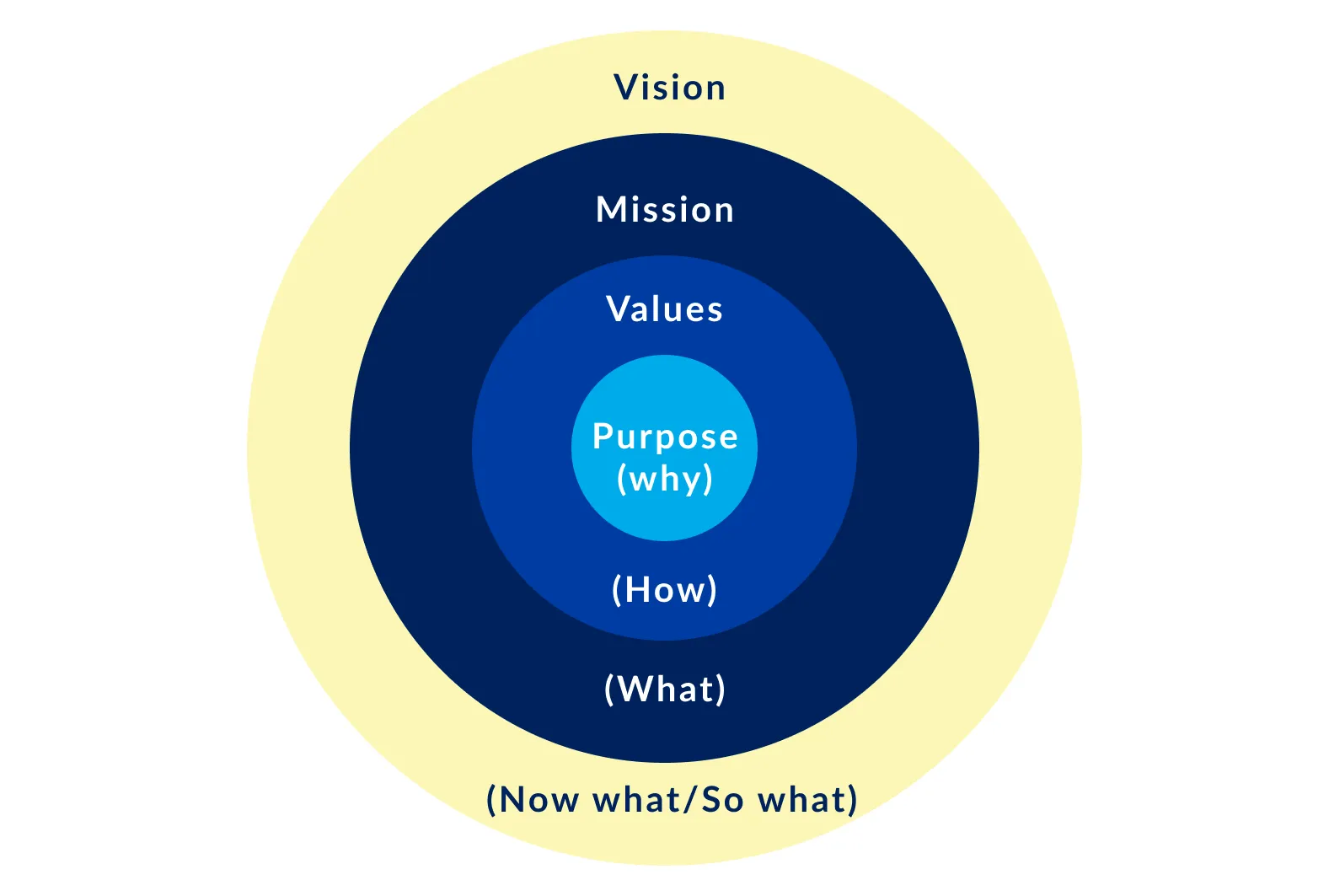
You can use Miro, a collaborative online whiteboard tool that allows teams to brainstorm, organize, and map out key elements like mission, vision, values, USP, and brand positioning. It’s useful for visually defining your brand's core elements through mind maps, flowcharts, and other creative templates.

Step 3: Develop brand messaging

With your brand position defined, focus on aligning your messaging across all channels and touchpoints. Craft a compelling brand story and key messaging pillars that resonate with your audience. 

Establish a consistent tone of voice and communication style to ensure authenticity and strengthen your brand’s personality throughout every interaction.

You could try out Marsden Marketing’s Messaging Map Template to help you get started.

Step 4: Create visual identity guidelines

Next, design or refine your brand’s visual elements like your logo, color palette, typography, and imagery to reflect your brand’s personality and values. 

Then, create clear guidelines documenting how and when to use them to ensure a cohesive look and feel across every platform.

BrandLife’s Branding Guideline Portal provides a centralized hub where all branding assets can be stored and accessed.

BrandLife's Branding Guideline Portal
BrandLife enables documentation that outlines the dos and don’ts of brand usage. 

Step 5: Implement brand guidelines across channels

It’s time to ensure your brand appears consistently across every customer touchpoint—from your website and social media to advertising, packaging, and internal communications. 
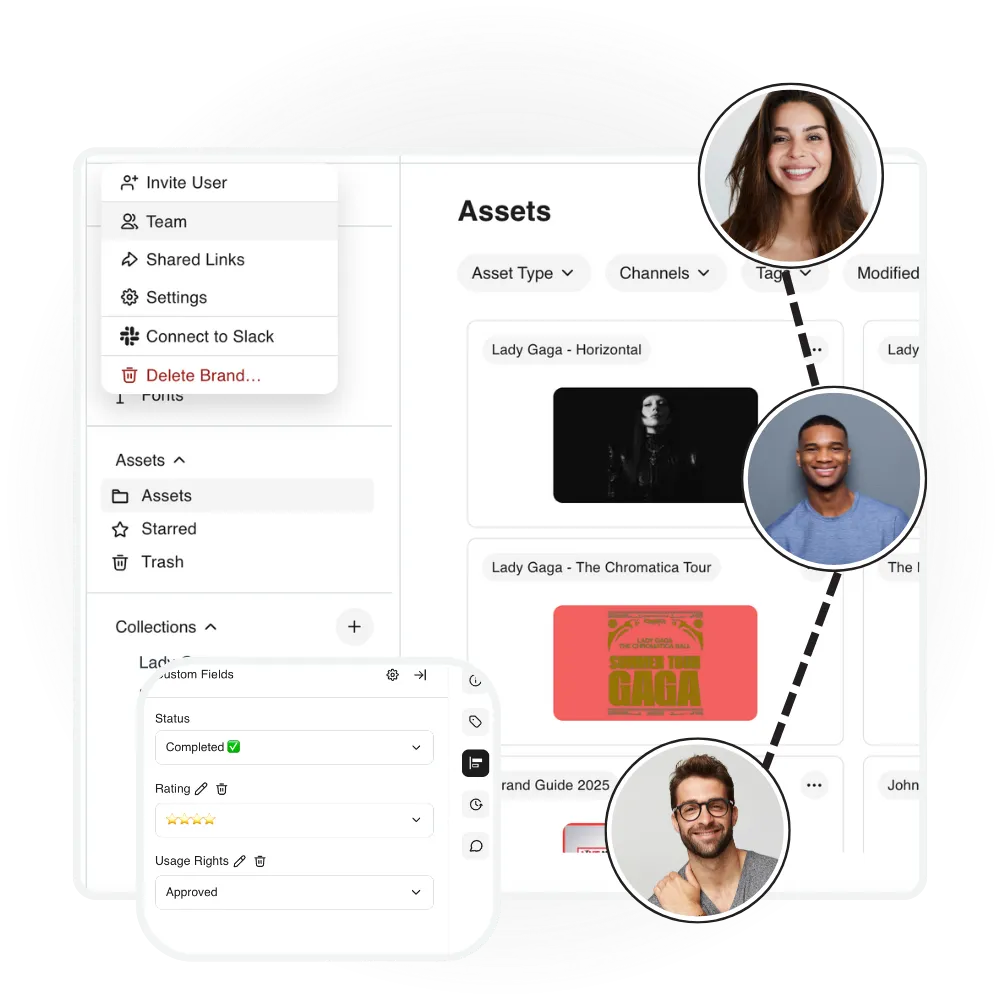
BrandLife’s collaborative features
BrandLife’s collaborative features allow team members to provide feedback on branding materials and suggest improvements

Provide clear brand guidelines and training to employees and partners, so everyone understands how to represent your brand correctly and maintain a unified, professional presence across all platforms.

Step 6: Monitor brand performance

Regularly measure how your brand is performing using key metrics, such as brand awareness, sentiment, engagement, and customer loyalty. 

Leverage tools such as Google Analytics, CRM dashboards, and social media management platforms like Hootsuite to track trends and feedback. This ongoing monitoring helps identify strengths and areas for improvement.

Step 7: Adjust and evolve your strategy

Brand management isn’t a one-and-done effort. Use the insights you gather to refine your messaging, update assets, or pivot strategy in response to market changes. Stay agile while remaining true to your core brand identity.

You can use HubSpot’s analytics and reporting tools to track the performance of your brand's marketing efforts in real time. You can gather insights from different campaigns, customer behaviors, and website data to adjust your messaging, optimize content, and refine your strategy.

You can also use SEMrush to track brand performance across SEO, content, and social channels. It provides insights into keyword rankings, competitor activity, and traffic performance, allowing you to refine your SEO strategy and content approach to adapt to market changes.

3 Brand Management Strategy Examples

Successful brand management strategies vary widely, but all share a focus on consistency, authenticity, and customer connection. Here are three examples that demonstrate effective approaches and their outcomes:

1. Heinz — Masterbrand Global Rebranding

Heinz brand management efforts – global rebranding
Heinz’ global rebranding

In 2020, Heinz undertook a major U.S. brand refresh to modernize its image and reconnect with younger consumers while staying true to its iconic status. 

Partnering with agency Jones Knowles Ritchie, the brand introduced a unified global visual identity across more than 20 product lines, including ketchup, beans, and sauces. The update featured a simplified logo, bolder packaging, and a custom typeface that emphasized consistency and shelf presence. 

Despite being over 150 years old, Heinz leaned into its heritage with the tagline “It has to be Heinz,” reinforcing trust while appearing more contemporary. 

The results were tangible: the redesign helped boost sales by 11% across core products and solidified Heinz’s position as a household staple in a modern market.

2. SoFi – Building a Bold, Customer-Centric Brand

brand management strategy example​ of SoFi
SoFi’s brand positioning 


SoFi, a U.S.-based fintech company, redefined its brand by focusing on millennials navigating student debt and seeking financial freedom. With a bold, relatable voice and a jargon-free approach, SoFi positioned itself as an aspirational yet accessible financial partner. 

SoFi redesigned its brand aesthetic to reflect a more diverse member group and broader product offerings—replacing gradients, icons, and lifestyle photography with a tight color palette, a highly stylized surreal visual world, and member-based content.

The company delivered educational content, collaborated with relevant influencers, and created a seamless customer experience across all touchpoints. This strategy led to a 47.38% revenue increase (2022–2023) and reduced CAC to under $300—highlighting the power of a cohesive, customer-first brand management strategy.

3. New Balance – Revitalizing Brand Identity for Modern Consumers

Strong brand strategy by New Balance
  New Balance’s marketing campaign example

Under CEO Joe Preston, New Balance undertook a strategic brand transformation to resonate with younger demographics, particularly Gen Z and Millennials. By blending its heritage in performance running with contemporary fashion trends, the brand expanded its appeal through diversified sports sponsorships, including basketball and tennis. 

Historically, New Balance was associated with comfort and functionality, often labeled as "dad shoes." However, the brand recognized the opportunity to capitalize on the resurgence of chunky sneaker trends. By re-releasing classic models like the 990 and 574, New Balance embraced the "dad shoe" aesthetic, aligning with contemporary fashion trends while staying true to its performance roots .

This approach emphasized authenticity, U.S.-based manufacturing, and a commitment to quality. As a result, New Balance achieved a new high record of $6.5 billion in global sales in 2023, nearly double its 2020 sales. This shows how cohesive brand management strategy and disciplined execution drive long-term, scalable growth.

How to Manage and Adapt Your Brand Strategy Over Time

To keep your brand thriving in a fast-paced, ever-changing market, your strategy needs to be as dynamic as the environment it operates in. It’s not just about setting a course and sticking to it – it's about knowing when to pivot, tweak, and evolve based on what’s happening around you.

1. Importance of continuous evaluation and iteration

Start with regular brand audits to assess how consistently your brand is represented across all touchpoints, including your website, social media, packaging, and customer service. 

Tracking key metrics like brand awareness and customer loyalty ensures your brand remains aligned with evolving business goals.

  • Brand awareness measures how familiar your target audience is with your brand. For instance, Apple enjoys high spontaneous recall (or unaided awareness), meaning many people immediately think of it when asked about smartphones.
  • Customer loyalty is commonly assessed with the net promoter score (NPS), which asks customers how likely they are to recommend your brand on a scale from 0 to 10. High scores indicate strong loyalty and positive word of mouth.

NPS = % Promoters − % Detractors

Where:

  • Promoters: Respondents who score 9 or 10 on a 0-10 scale (loyal and enthusiastic customers).

  • Detractors: Respondents who score 0 to 6 (unhappy customers who are likely to spread negative feedback).

  • Passives: Respondents who score 7 or 8 (neutral customers, not included in the calculation).

For example, if 70% of respondents are Promoters, 20% are Passives, and 10% are Detractors, the NPS would be NPS = 70%−10%=60%

  • Engagement metrics track interactions such as social media likes, shares, comments, website visits, and time spent on site. These show how actively your audience interacts with your brand content, revealing emotional connection and interest.

2. Tools and techniques for brand management monitoring

Effective brand management monitoring requires the right tools and techniques to track performance, measure engagement, and ensure consistency across all touchpoints. 

From social listening platforms to analytics tools, these resources provide valuable insights into how your brand is perceived, enabling you to make data-driven adjustments to your strategy.

  • Social listening platforms: Tools like Mention and Talkwalker help monitor online conversations and sentiment by analyzing keywords, hashtags, and tone across social channels and forums. This allows brand managers to respond proactively and understand shifts in public perception.

  • Competitive benchmarking: Ahrefs, SpyFu, SimilarWeb, and BuzzSumo enable you to compare your brand's performance against industry peers. This benchmarking informs strategic positioning and highlights areas for differentiation.

3. Responding to market changes and customer feedback

An effective brand management strategy includes the ability to adapt quickly to shifting market dynamics and customer needs. 

  • Act on insights quickly: Use customer feedback, reviews, and performance data to guide brand updates or new campaigns.

  • Communicate changes transparently: Keep your audience informed about any brand shifts to build and maintain trust.

  • Use a test-and-learn approach: Pilot new messaging, visuals, or positioning with small segments before scaling across all channels.

  • Empower internal teams: Provide updated brand training so employees represent your brand accurately and consistently.

  • Plan for crisis management: Establish clear protocols to address negative feedback or reputational risks in a timely, constructive manner.

Brand Management Best Practices: Actionable Checklist

  • Conduct regular brand audits and update guidelines as needed.
  • Centralize all brand assets in a secure, searchable DAM platform.
  • Implement clear approval processes for brand usage.
  • Train internal teams on brand guidelines and values.
  • Monitor brand consistency across all channels and touchpoints.
  • Use analytics to measure and optimize brand performance.

How Does BrandLife Support Your Brand Management Strategy?

BrandLife supports brand management strategy by providing a comprehensive platform that helps organizations organize, manage, and maintain their brand assets consistently across multiple channels. 

Here’s how BrandLife contributes to effective brand management:
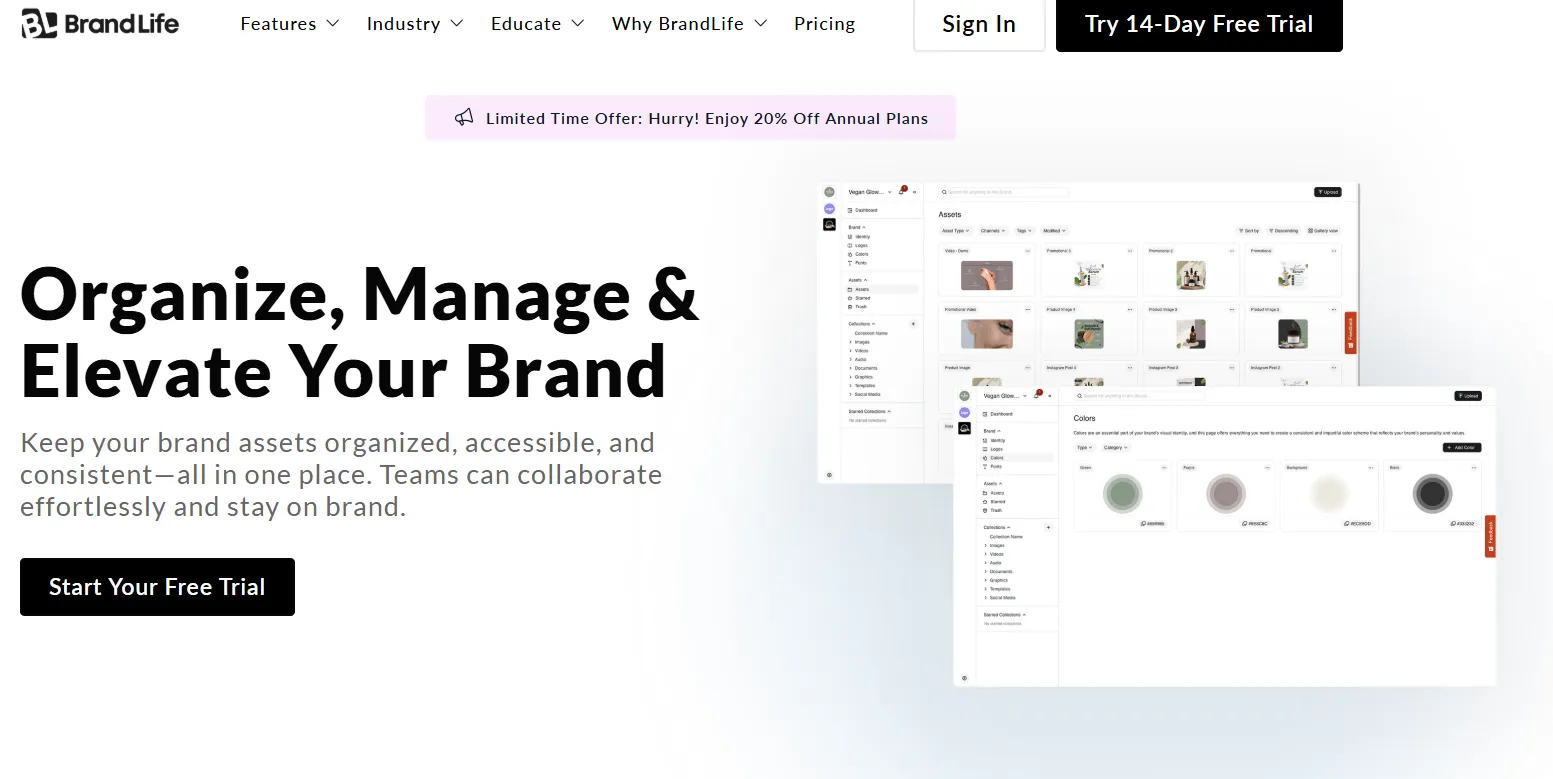
BrandLife Homepage

Whether you're a marketing or operations leader at a creative or ad agency, nonprofit organization, real estate firm, or architectural company, or you’re managing multiple brands, BrandLife helps you centralize assets, maintain brand consistency, and scale content with ease.

Centralized asset repository
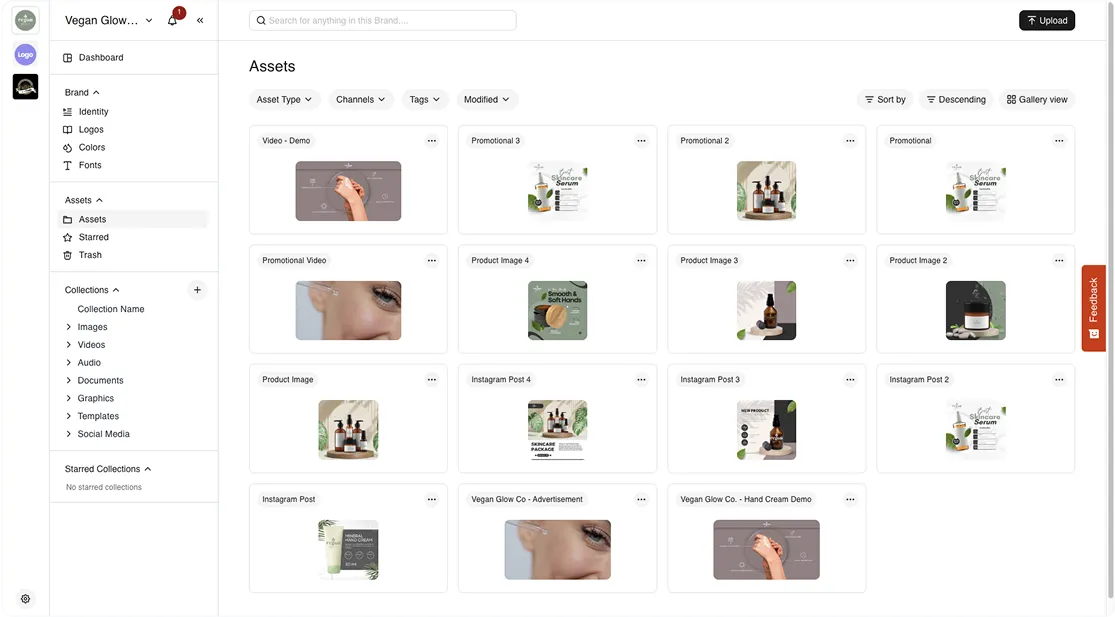
Brand management software – BrandLife

BrandLife offers a centralized location for all brand assets (logos, images, videos, fonts, etc.), making it easy to store, organize, and retrieve materials. This ensures that all team members and stakeholders are working with the most up-to-date and consistent assets, reducing the risk of inconsistency.

Version control and user permissions
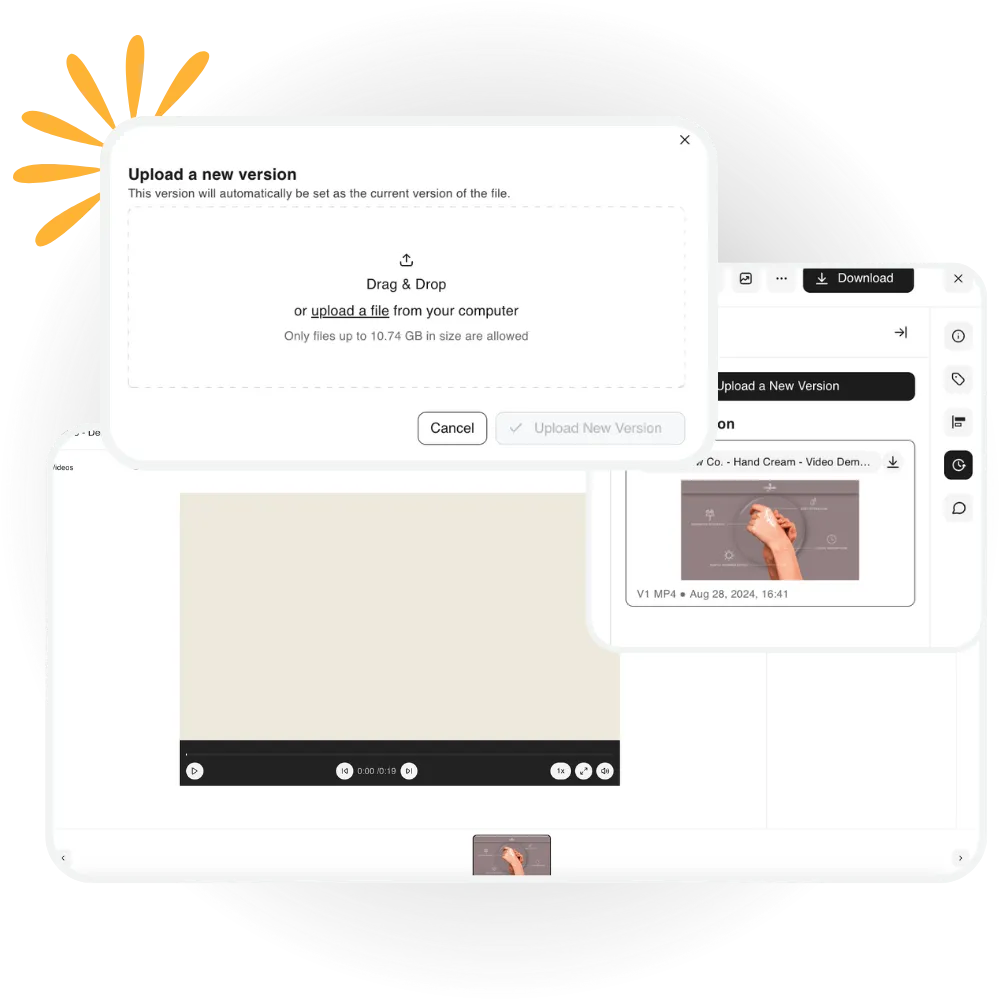
Brand's version control dashbaord
Manage versions of your files with BrandLife

BrandLife provides version control, so teams can track changes made to brand assets over time. This ensures that outdated or incorrect assets are not used. Additionally, with role-based access permissions, BrandLife allows organizations to control who can view, edit, or share specific brand materials, ensuring that sensitive assets are safeguarded.

AI-powered tagging and searching
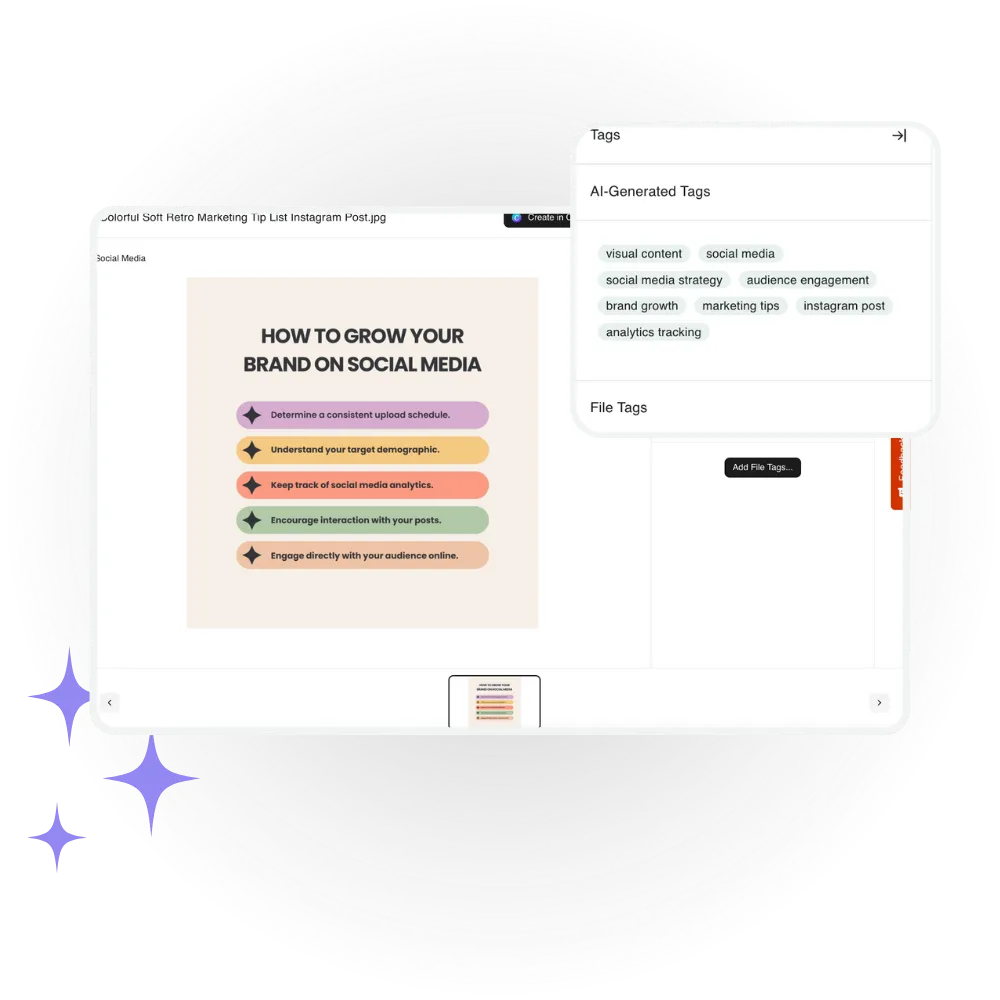
BrandLife automatically assigns relevant tags based on content, context, and metadata

BrandLife’s AI-powered tagging and search functionality enhances brand asset management by automatically tagging images, videos, and documents with relevant keywords based on their content, saving time and ensuring consistency. This intelligent tagging process enables more accurate and efficient search, allowing teams to quickly find assets by context, attributes, or visual elements rather than relying on manual tags or file names. 

The AI-driven system supports semantic search, making it easier to retrieve assets based on meaning rather than exact matches. Overall, this functionality streamlines workflows, improves search accuracy, and ensures that brand assets are consistently organized, helping teams maintain brand integrity with ease.

Real-time analytics

BrandLife’s real-time analytics and reporting feature provides valuable insights into how brand assets are performing across various channels. It allows teams to track asset usage, monitor engagement, and measure the effectiveness of marketing materials as they’re being utilized. 

With real-time data, users can quickly identify which assets are resonating with their audience and which may need adjustments, enabling more informed decision-making. This functionality helps brands stay agile, adapt their strategies on the fly, and ensure that their assets align with their marketing objectives, ultimately driving better brand performance and consistency.

Try BrandLife free for 14 days and experience how a smart brand management platform can enhance your brand consistency and impact.

Frequently Asked Questions

How can small businesses effectively manage their brand strategy with limited resources?

Small businesses can focus on defining core brand elements clearly, use affordable digital tools like BrandLife for asset management, and regularly gather customer feedback to refine messaging without large budgets.

What are the common mistakes to avoid in brand strategy management?

Common mistakes to avoid include inconsistent messaging, neglecting employee training on brand standards, ignoring customer feedback, and failing to update the strategy as markets evolve.

How does brand strategy management impact customer experience and loyalty?

A strong brand strategy ensures consistent messaging, visuals, and values across all touchpoints, creating a seamless and trustworthy customer experience. When customers repeatedly encounter a reliable and aligned brand, it leads to higher satisfaction, loyalty, and long-term advocacy.

How do you measure brand management success?

Brand management success is measured through multiple metrics, including brand awareness (aided and unaided recall), brand perception (attribute ratings versus competitors), customer loyalty (NPS scores, retention rates), engagement metrics (social media interaction, content consumption), and business impact indicators (market share, pricing power, customer acquisition costs). Effective measurement combines these metrics into a comprehensive brand health scorecard that tracks performance over time.

What is the difference between brand management and brand marketing?

Brand management focuses on developing and maintaining the strategic framework that guides how your brand appears and behaves across all touchpoints. It's concerned with consistency, governance, and long-term brand health. Brand marketing, by contrast, involves specific promotional activities to increase awareness and drive engagement with your brand. Brand management provides the strategic foundation and guidelines that brand marketing activities should follow.

Related

See more
The Ultimate Guide to Maintaining Brand Consistency Across Platforms

The Ultimate Guide to Maintaining Brand Consistency Across Platforms

Ensuring Brand Consistency: A Comprehensive Guide

Ensuring Brand Consistency: A Comprehensive Guide

The Ultimate Guide to Brand Consistency with BrandLife

The Ultimate Guide to Brand Consistency with BrandLife

Ready to make your brand unstoppable?

Try it free or request a quote. Let’s build your brand’s next.

Building a Strong Brand Management Strategy: A Complete Guide

BrandLife keeps assets centralized, guidelines enforced, and brand success scaling.
Start Free TrialDownload Free PDF
Building a Strong Brand Management Strategy: A Complete Guide

Key Takeways

  • Brand management strategy is a continuous, cross-functional effort. It's not just about logos or marketing but also involves every team ensuring a consistent, authentic experience across all touchpoints.

  • A strong brand management strategy drives long-term growth. When executed well, it builds brand recognition, customer trust, and loyalty, resulting in competitive advantage and scalable success.

  • Continuous monitoring and adaptation of your brand management are essential. Methods like brand audits, NPS surveys, and social listening help you track brand health and respond quickly to market changes or feedback.

  • Platforms like BrandLife streamline brand management strategy execution. It centralizes assets, enforces brand guidelines, and offers real-time insights, making it easier to scale and protect your brand effectively.

Creative and ad agencies, real estate and architectural firms, and nonprofit organizations often labor under the following misconceptions when it comes to brand management strategy:  

  • It’s just about the logo and visuals.
  • It’s only for big companies with big budgets.
  • It’s solely marketing’s responsibility.
  • It’s a one-time project or campaign.
  • It guarantees instant sales.
  • One brand strategy fits all industries.

In today's competitive marketplace, a strong brand management strategy isn't just a nice-to-have—it's essential for sustainable business growth. This comprehensive guide will walk you through the fundamentals of brand management strategy, from core concepts to implementation frameworks, helping you build a brand that resonates with your audience and drives measurable business results.

Whether you're a marketing director at a creative agency, a brand manager at a nonprofit, or an operations leader at an architectural firm, this guide provides actionable insights for organizations of all sizes. You'll learn how to develop, implement, and adapt a brand management strategy that aligns with your business goals and evolves with changing market conditions.

What is a Brand Management Strategy?

Brand management strategy is a structured, long-term approach to maintaining, strengthening, and evolving your brand.

It ensures your brand identity is consistently represented across all channels, resonates with your target audience, and grows in alignment with your business goals and market dynamics.

Brand management is not just about how your brand looks or sounds, but how it delivers on its promise in every customer interaction.

The key components of successful brand strategy management include:

1. Brand Positioning

Establishes a clear, differentiated space in both the market and consumers' minds. A strong positioning statement uses the template: "For [target clients], [company name] is the [market definition] that delivers [brand promise] because only [company name] is [reason to believe]." This positioning becomes the foundation for all marketing activities and helps align internal staff around shared objectives.

Example: Volvo's positioning as "the automotive brand that prioritizes family safety" guides everything from product development to marketing communications.

2. Brand Messaging & Communication

Communicates what your brand stands for with clarity and consistency. This includes developing integrated marketing communications across all channels and engaging consumers through storytelling and content marketing. Consistency in messaging across platforms directly correlates with revenue growth—research shows consistent brand presentation increases revenue by up to 23%.

Example: Apple's "Think Different" campaign established a consistent messaging framework that has evolved but remained recognizable for decades.

3. Visual Identity

Encompasses logos, color palettes, typography, and design elements that reinforce brand recognition. Given that 55% of brand first impressions are visual, this component significantly impacts how audiences perceive and remember your brand.

Example: Target's distinctive red bullseye is instantly recognizable, creating immediate brand recall even without the company name.

4. Customer Experience & Brand Loyalty

Makes sure every touchpoint reflects your brand values and quality. Building brand loyalty through consistent, authentic experiences fosters deeper customer relationships and repeat business.

Example: Disney's meticulous attention to experience design across parks, products, and digital platforms creates consistent magic that builds multi-generational loyalty.

5. Brand Governance

Establishes guidelines and processes to maintain consistency while enabling controlled adaptation as the brand evolves. This ensures all employees understand brand standards and can represent the brand authentically.

Example: Starbucks maintains strict brand guidelines while allowing seasonal adaptations that keep the brand fresh without compromising recognition.

Together, these elements create a framework that guides your brand’s long-term growth and helps build trust and loyalty with your audience.

At its foundation, brand management requires defining your brand's purpose (why you exist beyond making money), positioning (your elevator pitch in the market), personality (emotional resonance with customers), and value proposition (unique benefits you offer). These elements guide long-term growth, build trust with audiences, and help your organization make consistent decisions aligned with brand values.

The most successful brands—from Nike to Apple to Volvo—demonstrate how these pillars work together. Nike's purpose of athletic achievement informs its inspirational personality, which shapes its communication strategy, which guides its customer experience design. This alignment creates a coherent brand that customers instantly recognize and trust.

When developing your brand management strategy, consider how each pillar supports and reinforces the others. Inconsistencies between pillars (like premium positioning with budget customer experience) create dissonance that undermines brand credibility.

Why Brand Management Matters: Key Benefits

Investing in a robust brand management strategy delivers measurable advantages for organizations of all sizes and industries. Here are the top benefits:

  • Brand Consistency & Market Recognition: Ensures all communications and assets align with your brand guidelines, building recognition and trust. According to Lucidpress research, consistent brand presentation across platforms increases revenue by up to 23%. This consistency extends to employee understanding—clear brand governance reduces confusion and inefficiency across teams.
  • Customer Trust & Loyalty: A consistent, authentic brand experience fosters deeper relationships and repeat business. This is particularly critical in today's market: Morning Consult research found that 95% of tracked consumer brands hold lower trust ratings with Gen Z compared to all U.S. adults by an average of 10 points. Strong brand purpose and authentic delivery directly address this trust gap.
  • Increased Brand Value: Strong brands command premium pricing and higher market valuations. According to Interbrand, the world's top 100 brands have a combined value of over $2 trillion. When customers perceive genuine value and consistent delivery of brand promises, they accept higher price points, directly improving profit margins and enterprise valuation.
  • Competitive Advantage: Differentiation makes your brand stand out in crowded markets. In a Salesforce survey, 76% of consumers expect companies to understand their needs and expectations—a well-managed brand strategy helps meet these expectations consistently, creating defensible competitive advantages.
  • Streamlined Operations: Clear brand governance and guidelines reduce confusion and inefficiency. Organizations with strong brand management spend 10-15% less time on approval processes and content revisions according to Forrester Research.
  • Employee Engagement: A well-managed brand inspires teams and aligns internal culture. LinkedIn research shows that companies with strong employer brands see 50% lower cost-per-hire and 28% lower turnover rates, as employees become authentic brand ambassadors.

Brand Strategy vs Brand Management Strategy

Although often used interchangeably, brand strategy and brand management strategy serve different but equally important roles in guiding a brand’s long-term success.

Aspect Brand Strategy Brand Management Strategy
Role Defines the brand’s purpose, core values, target audience, positioning, and messaging Ensures brand strategy is implemented and maintained over time
Focus Establishes the brand’s identity and sets its market direction Oversees ongoing brand consistency and performance
Timeframe Long-term foundational plan Ongoing, continuous process
Scope High-level plan for brand perception in the market Day-to-day activities like managing assets, monitoring brand health, and ensuring consistency
Responsibility Shaping the brand's identity and market position Managing the execution of the strategy across various touchpoints
Key Activities Creating core messaging, defining positioning, setting goals Monitoring brand performance, ensuring message consistency, adapting to trends

Brand strategy is the foundational blueprint—your answer to fundamental questions: Why do you exist? What do you stand for? What's your unique position? It defines your brand's purpose, positioning, personality, and value proposition. Think of brand strategy as the strategic north star that guides what your organization will do and won't do. It's typically developed periodically and answers big-picture questions about your brand's direction and market role.

Brand management strategy, by contrast, is the operational execution framework. It encompasses the processes, guidelines, and tactics used to maintain, improve, and bring awareness to your brand's value and reputation. This includes implementing consistent messaging across channels, managing visual identity standards, building customer experiences, fostering brand communities, and continuously monitoring brand health through research and analytics.

Consider a technology company launching into a new market. Brand strategy answers: "We will position ourselves as the trusted, security-focused alternative to incumbent providers." Brand management strategy answers: "How do we ensure every advertisement, customer service interaction, website element, and employee communication reflects this security focus? How do we measure whether customers perceive us as secure? How do we adapt when market perceptions shift?"

Brand strategy provides the what and why; brand management strategy provides the how. You need both: a clear strategic vision (brand strategy) combined with disciplined execution systems (brand management strategy). A brilliant strategy poorly executed fails to deliver results. Similarly, excellent execution of a poorly conceived strategy wastes resources. Together, they create the framework that guides your brand's long-term growth and helps build trust and loyalty with your audience.

Organizations that excel at both—like Apple, Nike, and Starbucks—demonstrate how strategic clarity combined with operational excellence creates enduring brand value and customer loyalty.

Why Does Your Brand Need A Strong Brand Management Strategy?

A strong brand management strategy isn’t just a nice-to-have but a competitive advantage. It helps ensure that your brand shows up clearly, consistently, and confidently across every channel and interaction.

When executed well, brand management builds:

  • Brand recognition: Consistency across visuals, messaging, and tone helps customers instantly recognize and remember your brand.
  • Customer loyalty: A cohesive brand experience fosters trust and emotional connection, ultimately encouraging long-term loyalty. 

According to Sprout Social data, when customers feel connected to brands, more than half of consumers (57%) will increase their spending with that brand and 76% will buy from them over a competitor.

  • Competitive advantage: A well-managed brand stands out in saturated markets, making it easier to differentiate from competitors and justify premium pricing.

On the flip side, the absence of a clear brand management strategy often leads to:

  • Inconsistent messaging: Different departments or channels may present conflicting narratives, which can confuse your audience.
  • Diluted brand identity: Without clear guidelines, your brand voice and visuals may drift over time.
  • Weakened customer perception: If your brand feels disjointed or unreliable, customers may disengage or choose a more consistent competitor.

In short, a strong brand management strategy connects the dots between what your brand promises and how that promise is delivered, every time.

Critical Checklist for Your Organization

Is your brand management strategy delivering results? Review this checklist to identify potential gaps:

  • ✓ Have you defined your brand's purpose beyond profit generation?
  • ✓ Is your brand positioning clearly articulated and understood by all employees?
  • ✓ Do your visual identity and messaging align across all customer touchpoints?
  • ✓ Are you measuring brand health through defined KPIs?
  • ✓ Do governance guidelines exist to maintain consistency?
  • ✓ Is your leadership aligned on brand strategy and willing to enforce it?
  • ✓ Can your team members articulate what makes your brand different from competitors?
  • ✓ Do you have processes for adapting your brand to market changes while maintaining core identity?

If you answer “no” to multiple items, it’s a strong indicator that your brand management strategy may lack structure or consistency. In that case, developing or refining a comprehensive brand management strategy should be a top priority to ensure alignment, consistency, and long-term brand strength.

Brand Management Strategy Framework: The Pillars of Success

Building a successful brand management strategy involves a stepwise, repeatable process. Here’s a proven framework you can adapt for your organization:

Brand Management Strategy Framework

  • Brand Audit & Research: Assess current brand perception, assets, and market position.
  • Define Brand Purpose & Values: Clarify your mission, vision, and core values.
  • Develop Brand Guidelines: Create detailed documentation covering visual identity, messaging, and tone of voice.
  • Implement Brand Governance: Establish roles, responsibilities, and approval workflows for brand usage.
  • Activate & Communicate: Roll out brand assets and messaging across all channels—internally and externally.
  • Monitor & Optimize: Track brand performance and make data-driven improvements.

7 Steps to Developing a Strong Brand Management Strategy

Building a brand that resonates over time requires a strategic, intentional approach. 

Here’s a step-by-step framework to help you develop a brand management strategy that aligns with your business goals and grows with your brand.

Step 1: Conduct brand research

Start with a deep dive into your industry landscape, key competitors, and audience segments. Pay attention to market trends, customer behaviors, and emerging needs. 

Brandwatch is a social listening and analytics tool that tracks online conversations about your brand. It provides insights from social media, forums, blogs, and news sites, helping you understand brand sentiment, track competitor activity, and identify trends in customer behavior.

Use surveys, interviews, and data to uncover how people currently see your brand and what matters most to them. These insights will guide every part of your brand strategy.

SurveyMonkey is a powerful tool for creating and distributing surveys to gather customer feedback, perceptions, and insights about your brand. It helps in understanding how your audience views your brand and what their preferences are.

Step 2: Define your brand’s core elements

The next step is to clarify your brand’s mission, vision, and values to set a clear purpose. Once that’s done, identify your unique selling proposition (USP) and establish your brand positioning—basically, what sets your brand apart and why it matters to your audience. These core elements guide every decision and help create a consistent, authentic brand experience.

You can use Miro, a collaborative online whiteboard tool that allows teams to brainstorm, organize, and map out key elements like mission, vision, values, USP, and brand positioning. It’s useful for visually defining your brand's core elements through mind maps, flowcharts, and other creative templates.

Step 3: Develop brand messaging

With your brand position defined, focus on aligning your messaging across all channels and touchpoints. Craft a compelling brand story and key messaging pillars that resonate with your audience. 

Establish a consistent tone of voice and communication style to ensure authenticity and strengthen your brand’s personality throughout every interaction.

You could try out Marsden Marketing’s Messaging Map Template to help you get started.

Step 4: Create visual identity guidelines

Next, design or refine your brand’s visual elements like your logo, color palette, typography, and imagery to reflect your brand’s personality and values. 

Then, create clear guidelines documenting how and when to use them to ensure a cohesive look and feel across every platform.

BrandLife’s Branding Guideline Portal provides a centralized hub where all branding assets can be stored and accessed.

BrandLife's Branding Guideline Portal
BrandLife enables documentation that outlines the dos and don’ts of brand usage. 

Step 5: Implement brand guidelines across channels

It’s time to ensure your brand appears consistently across every customer touchpoint—from your website and social media to advertising, packaging, and internal communications. 

BrandLife’s collaborative features
BrandLife’s collaborative features allow team members to provide feedback on branding materials and suggest improvements

Provide clear brand guidelines and training to employees and partners, so everyone understands how to represent your brand correctly and maintain a unified, professional presence across all platforms.

Step 6: Monitor brand performance

Regularly measure how your brand is performing using key metrics, such as brand awareness, sentiment, engagement, and customer loyalty. 

Leverage tools such as Google Analytics, CRM dashboards, and social media management platforms like Hootsuite to track trends and feedback. This ongoing monitoring helps identify strengths and areas for improvement.

Step 7: Adjust and evolve your strategy

Brand management isn’t a one-and-done effort. Use the insights you gather to refine your messaging, update assets, or pivot strategy in response to market changes. Stay agile while remaining true to your core brand identity.

You can use HubSpot’s analytics and reporting tools to track the performance of your brand's marketing efforts in real time. You can gather insights from different campaigns, customer behaviors, and website data to adjust your messaging, optimize content, and refine your strategy.

You can also use SEMrush to track brand performance across SEO, content, and social channels. It provides insights into keyword rankings, competitor activity, and traffic performance, allowing you to refine your SEO strategy and content approach to adapt to market changes.

3 Brand Management Strategy Examples

Successful brand management strategies vary widely, but all share a focus on consistency, authenticity, and customer connection. Here are three examples that demonstrate effective approaches and their outcomes:

1. Heinz — Masterbrand Global Rebranding

Heinz brand management efforts – global rebranding
Heinz’ global rebranding

In 2020, Heinz undertook a major U.S. brand refresh to modernize its image and reconnect with younger consumers while staying true to its iconic status. 

Partnering with agency Jones Knowles Ritchie, the brand introduced a unified global visual identity across more than 20 product lines, including ketchup, beans, and sauces. The update featured a simplified logo, bolder packaging, and a custom typeface that emphasized consistency and shelf presence. 

Despite being over 150 years old, Heinz leaned into its heritage with the tagline “It has to be Heinz,” reinforcing trust while appearing more contemporary. 

The results were tangible: the redesign helped boost sales by 11% across core products and solidified Heinz’s position as a household staple in a modern market.

2. SoFi – Building a Bold, Customer-Centric Brand

brand management strategy example​ of SoFi
SoFi’s brand positioning 


SoFi, a U.S.-based fintech company, redefined its brand by focusing on millennials navigating student debt and seeking financial freedom. With a bold, relatable voice and a jargon-free approach, SoFi positioned itself as an aspirational yet accessible financial partner. 

SoFi redesigned its brand aesthetic to reflect a more diverse member group and broader product offerings—replacing gradients, icons, and lifestyle photography with a tight color palette, a highly stylized surreal visual world, and member-based content.

The company delivered educational content, collaborated with relevant influencers, and created a seamless customer experience across all touchpoints. This strategy led to a 47.38% revenue increase (2022–2023) and reduced CAC to under $300—highlighting the power of a cohesive, customer-first brand management strategy.

3. New Balance – Revitalizing Brand Identity for Modern Consumers

Strong brand strategy by New Balance
  New Balance’s marketing campaign example

Under CEO Joe Preston, New Balance undertook a strategic brand transformation to resonate with younger demographics, particularly Gen Z and Millennials. By blending its heritage in performance running with contemporary fashion trends, the brand expanded its appeal through diversified sports sponsorships, including basketball and tennis. 

Historically, New Balance was associated with comfort and functionality, often labeled as "dad shoes." However, the brand recognized the opportunity to capitalize on the resurgence of chunky sneaker trends. By re-releasing classic models like the 990 and 574, New Balance embraced the "dad shoe" aesthetic, aligning with contemporary fashion trends while staying true to its performance roots .

This approach emphasized authenticity, U.S.-based manufacturing, and a commitment to quality. As a result, New Balance achieved a new high record of $6.5 billion in global sales in 2023, nearly double its 2020 sales. This shows how cohesive brand management strategy and disciplined execution drive long-term, scalable growth.

How to Manage and Adapt Your Brand Strategy Over Time

To keep your brand thriving in a fast-paced, ever-changing market, your strategy needs to be as dynamic as the environment it operates in. It’s not just about setting a course and sticking to it – it's about knowing when to pivot, tweak, and evolve based on what’s happening around you.

1. Importance of continuous evaluation and iteration

Start with regular brand audits to assess how consistently your brand is represented across all touchpoints, including your website, social media, packaging, and customer service. 

Tracking key metrics like brand awareness and customer loyalty ensures your brand remains aligned with evolving business goals.

  • Brand awareness measures how familiar your target audience is with your brand. For instance, Apple enjoys high spontaneous recall (or unaided awareness), meaning many people immediately think of it when asked about smartphones.
  • Customer loyalty is commonly assessed with the net promoter score (NPS), which asks customers how likely they are to recommend your brand on a scale from 0 to 10. High scores indicate strong loyalty and positive word of mouth.

NPS = % Promoters − % Detractors

Where:

  • Promoters: Respondents who score 9 or 10 on a 0-10 scale (loyal and enthusiastic customers).

  • Detractors: Respondents who score 0 to 6 (unhappy customers who are likely to spread negative feedback).

  • Passives: Respondents who score 7 or 8 (neutral customers, not included in the calculation).

For example, if 70% of respondents are Promoters, 20% are Passives, and 10% are Detractors, the NPS would be NPS = 70%−10%=60%

  • Engagement metrics track interactions such as social media likes, shares, comments, website visits, and time spent on site. These show how actively your audience interacts with your brand content, revealing emotional connection and interest.

2. Tools and techniques for brand management monitoring

Effective brand management monitoring requires the right tools and techniques to track performance, measure engagement, and ensure consistency across all touchpoints. 

From social listening platforms to analytics tools, these resources provide valuable insights into how your brand is perceived, enabling you to make data-driven adjustments to your strategy.

  • Social listening platforms: Tools like Mention and Talkwalker help monitor online conversations and sentiment by analyzing keywords, hashtags, and tone across social channels and forums. This allows brand managers to respond proactively and understand shifts in public perception.

  • Competitive benchmarking: Ahrefs, SpyFu, SimilarWeb, and BuzzSumo enable you to compare your brand's performance against industry peers. This benchmarking informs strategic positioning and highlights areas for differentiation.

3. Responding to market changes and customer feedback

An effective brand management strategy includes the ability to adapt quickly to shifting market dynamics and customer needs. 

  • Act on insights quickly: Use customer feedback, reviews, and performance data to guide brand updates or new campaigns.

  • Communicate changes transparently: Keep your audience informed about any brand shifts to build and maintain trust.

  • Use a test-and-learn approach: Pilot new messaging, visuals, or positioning with small segments before scaling across all channels.

  • Empower internal teams: Provide updated brand training so employees represent your brand accurately and consistently.

  • Plan for crisis management: Establish clear protocols to address negative feedback or reputational risks in a timely, constructive manner.

Brand Management Best Practices: Actionable Checklist

  • Conduct regular brand audits and update guidelines as needed.
  • Centralize all brand assets in a secure, searchable DAM platform.
  • Implement clear approval processes for brand usage.
  • Train internal teams on brand guidelines and values.
  • Monitor brand consistency across all channels and touchpoints.
  • Use analytics to measure and optimize brand performance.

How Does BrandLife Support Your Brand Management Strategy?

BrandLife supports brand management strategy by providing a comprehensive platform that helps organizations organize, manage, and maintain their brand assets consistently across multiple channels. 

Here’s how BrandLife contributes to effective brand management:

BrandLife Homepage

Whether you're a marketing or operations leader at a creative or ad agency, nonprofit organization, real estate firm, or architectural company, or you’re managing multiple brands, BrandLife helps you centralize assets, maintain brand consistency, and scale content with ease.

Centralized asset repository

Brand management software – BrandLife

BrandLife offers a centralized location for all brand assets (logos, images, videos, fonts, etc.), making it easy to store, organize, and retrieve materials. This ensures that all team members and stakeholders are working with the most up-to-date and consistent assets, reducing the risk of inconsistency.

Version control and user permissions

Brand's version control dashbaord
Manage versions of your files with BrandLife

BrandLife provides version control, so teams can track changes made to brand assets over time. This ensures that outdated or incorrect assets are not used. Additionally, with role-based access permissions, BrandLife allows organizations to control who can view, edit, or share specific brand materials, ensuring that sensitive assets are safeguarded.

AI-powered tagging and searching

BrandLife automatically assigns relevant tags based on content, context, and metadata

BrandLife’s AI-powered tagging and search functionality enhances brand asset management by automatically tagging images, videos, and documents with relevant keywords based on their content, saving time and ensuring consistency. This intelligent tagging process enables more accurate and efficient search, allowing teams to quickly find assets by context, attributes, or visual elements rather than relying on manual tags or file names. 

The AI-driven system supports semantic search, making it easier to retrieve assets based on meaning rather than exact matches. Overall, this functionality streamlines workflows, improves search accuracy, and ensures that brand assets are consistently organized, helping teams maintain brand integrity with ease.

Real-time analytics

BrandLife’s real-time analytics and reporting feature provides valuable insights into how brand assets are performing across various channels. It allows teams to track asset usage, monitor engagement, and measure the effectiveness of marketing materials as they’re being utilized. 

With real-time data, users can quickly identify which assets are resonating with their audience and which may need adjustments, enabling more informed decision-making. This functionality helps brands stay agile, adapt their strategies on the fly, and ensure that their assets align with their marketing objectives, ultimately driving better brand performance and consistency.

Try BrandLife free for 14 days and experience how a smart brand management platform can enhance your brand consistency and impact.

Frequently Asked Questions

How can small businesses effectively manage their brand strategy with limited resources?

Small businesses can focus on defining core brand elements clearly, use affordable digital tools like BrandLife for asset management, and regularly gather customer feedback to refine messaging without large budgets.

What are the common mistakes to avoid in brand strategy management?

Common mistakes to avoid include inconsistent messaging, neglecting employee training on brand standards, ignoring customer feedback, and failing to update the strategy as markets evolve.

How does brand strategy management impact customer experience and loyalty?

A strong brand strategy ensures consistent messaging, visuals, and values across all touchpoints, creating a seamless and trustworthy customer experience. When customers repeatedly encounter a reliable and aligned brand, it leads to higher satisfaction, loyalty, and long-term advocacy.

How do you measure brand management success?

Brand management success is measured through multiple metrics, including brand awareness (aided and unaided recall), brand perception (attribute ratings versus competitors), customer loyalty (NPS scores, retention rates), engagement metrics (social media interaction, content consumption), and business impact indicators (market share, pricing power, customer acquisition costs). Effective measurement combines these metrics into a comprehensive brand health scorecard that tracks performance over time.

What is the difference between brand management and brand marketing?

Brand management focuses on developing and maintaining the strategic framework that guides how your brand appears and behaves across all touchpoints. It's concerned with consistency, governance, and long-term brand health. Brand marketing, by contrast, involves specific promotional activities to increase awareness and drive engagement with your brand. Brand management provides the strategic foundation and guidelines that brand marketing activities should follow.

Professional Branding Start Here

Everything you need to launch and maintain a consistent brand.

Try Free TrialLearn More

Related Resources

The Ultimate Guide to Maintaining Brand Consistency Across Platforms

The Ultimate Guide to Maintaining Brand Consistency Across Platforms

Ensuring Brand Consistency: A Comprehensive Guide

Ensuring Brand Consistency: A Comprehensive Guide

Transform the way you

manage your assets

8.8 hours/ week are wasted just looking for files and content