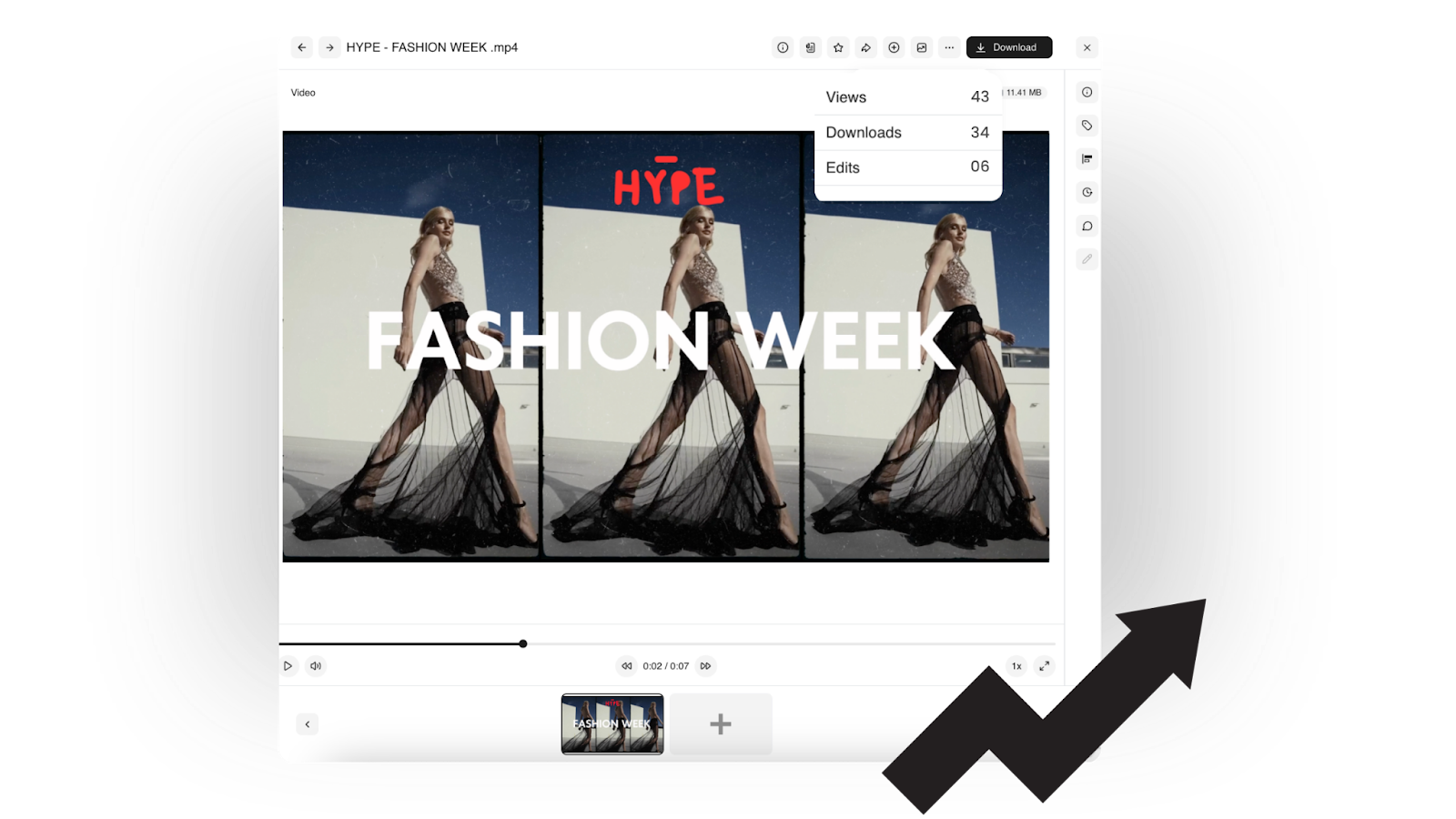
Coordinating Graphics Across Multiple Locations: Ensuring Brand Consistency

Why brand visuals drift, and how to bring them back into alignment

Key Takeaways

  • Brand consistency across locations starts with a clear visual identity. Defined logos, colors, typography, and layouts ensure every team works from the same creative foundation.
  • Centralized digital asset management is essential for scale. A digital asset management platform like BrandLife creates a single source of truth for assets, templates, and guidelines.
  • Standardization and flexibility must coexist. Lock core brand elements while allowing controlled local customization to stay relevant in different markets.
  • Ongoing audits and workflows keep brands on track. Regular reviews, version control, and approval processes prevent drift and maintain long-term visual alignment.

Maintaining graphic and visual brand consistency across multiple offices, franchises, agencies, or regional teams is both a strategic advantage and an operational challenge. 

When customers encounter misaligned visual assets from one region to the next, it can erode trust, weaken recognition, and ultimately impact revenue. Yet when brands get this right, they build familiarity and reliability that customers return to again and again.

This article explores practical strategies, tools, and frameworks that help teams coordinate graphics across multiple locations for brand consistency. It also highlights how BrandLife’s digital asset management (DAM) ecosystem simplifies and scales this process.

Why Consistent Graphics Matter Across Locations

Imagine walking into a store in New York only to find brand signage that looks completely different from the one you saw in Dubai—different fonts, mismatched color palettes, and unfamiliar imagery. That confusion dilutes your sense of familiarity and trust.

Visual consistency signals professionalism and credibility. It ensures that wherever a customer interacts with your brand, whether online or offline, the experience feels coherent. 

A study by Lucidpress showed that consistent branding can increase revenue by 10–20% because it reinforces recognition and reduces cognitive friction for customers.

For companies operating in multiple markets, inconsistent graphics becomes a brand and growth issue.

Without a centralized digital asset management approach, even strong brand guidelines struggle to hold.
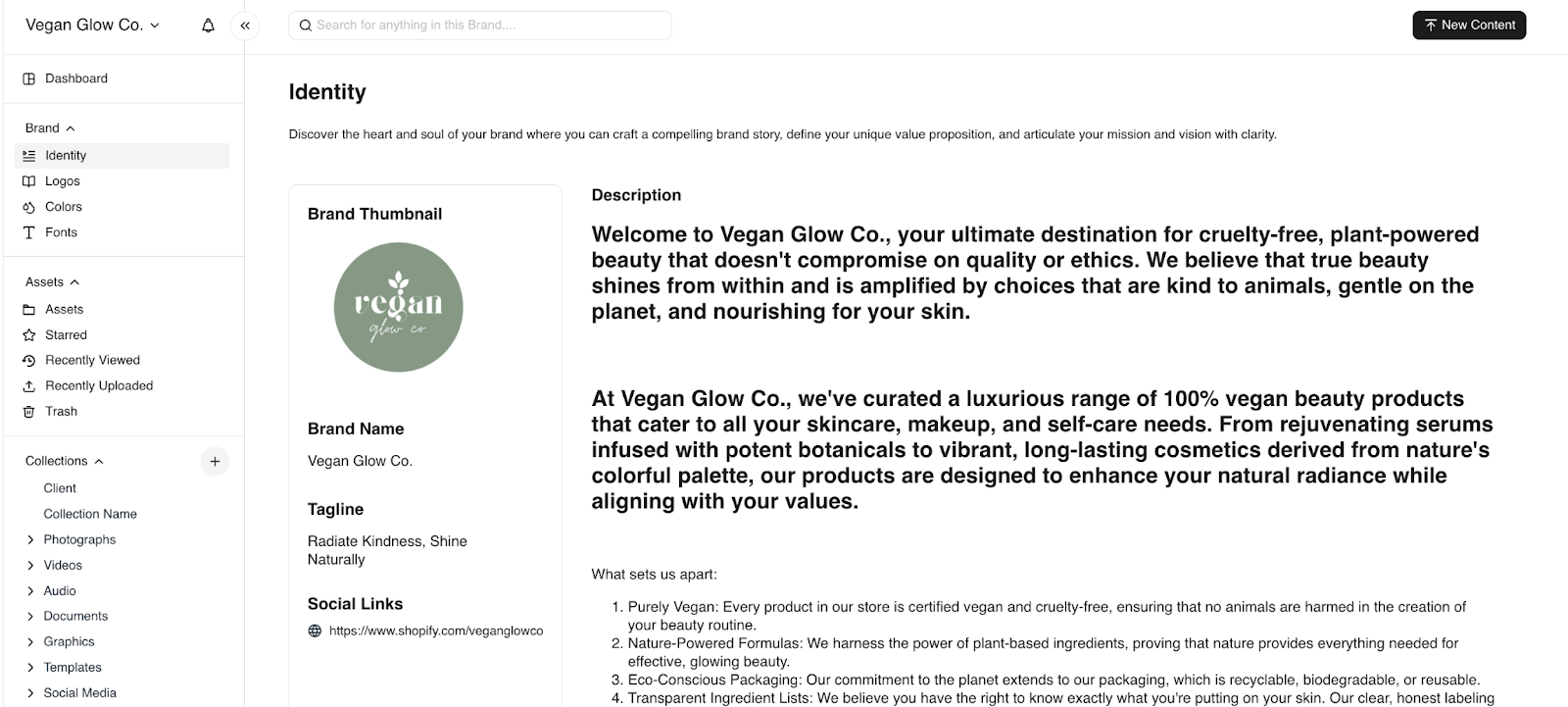
maintain brand's style guide on BrandLife's Dam platform
BrandLife’s portal to centralize all your brand messaging, tone, and typographies

The impact on brand recognition and customer trust

Brand recognition is foundational to customer decision-making. Broader branding data indicates that 81% of consumers need to trust a brand before they’ll consider buying from it, and visual consistency plays a major role in building that trust. 

Customers make split-second judgments based on visuals. A unified design language helps your brand stick in their minds, and as repeat impressions build, so does loyalty.

Building A Solid Brand Foundation for Graphic Consistency

A strong brand foundation ensures that every location starts from the same visual playbook, making consistency easier to maintain as your teams and campaigns scale.

Here are the practical steps to build that foundation.

Defining your brand’s visual identity

Before you can coordinate across locations, you need a clearly articulated visual identity—the set of design elements that together form your brand’s look and feel.

At a minimum, this includes:

  • Approved logos and logo variations
  • Primary and secondary color palettes
  • Typography rules and hierarchy
  • Image and illustration style
  • Tone for visual layouts and spacing

This foundation should reflect how the brand appears in real campaigns, not just idealized examples.

Creating comprehensive brand guidelines

Brand guidelines work when they are usable. Static PDFs buried in folders rarely influence day-to-day execution.

Effective guidelines:

  • Live alongside assets
  • Are easy to reference during production
  • Show approved usage and common mistakes
  • Update in real time as the brand evolves

Modern digital asset management platforms embed guidelines directly into the asset environment. This is where BrandLife’s built-in branding guideline portal becomes practical rather than theoretical.
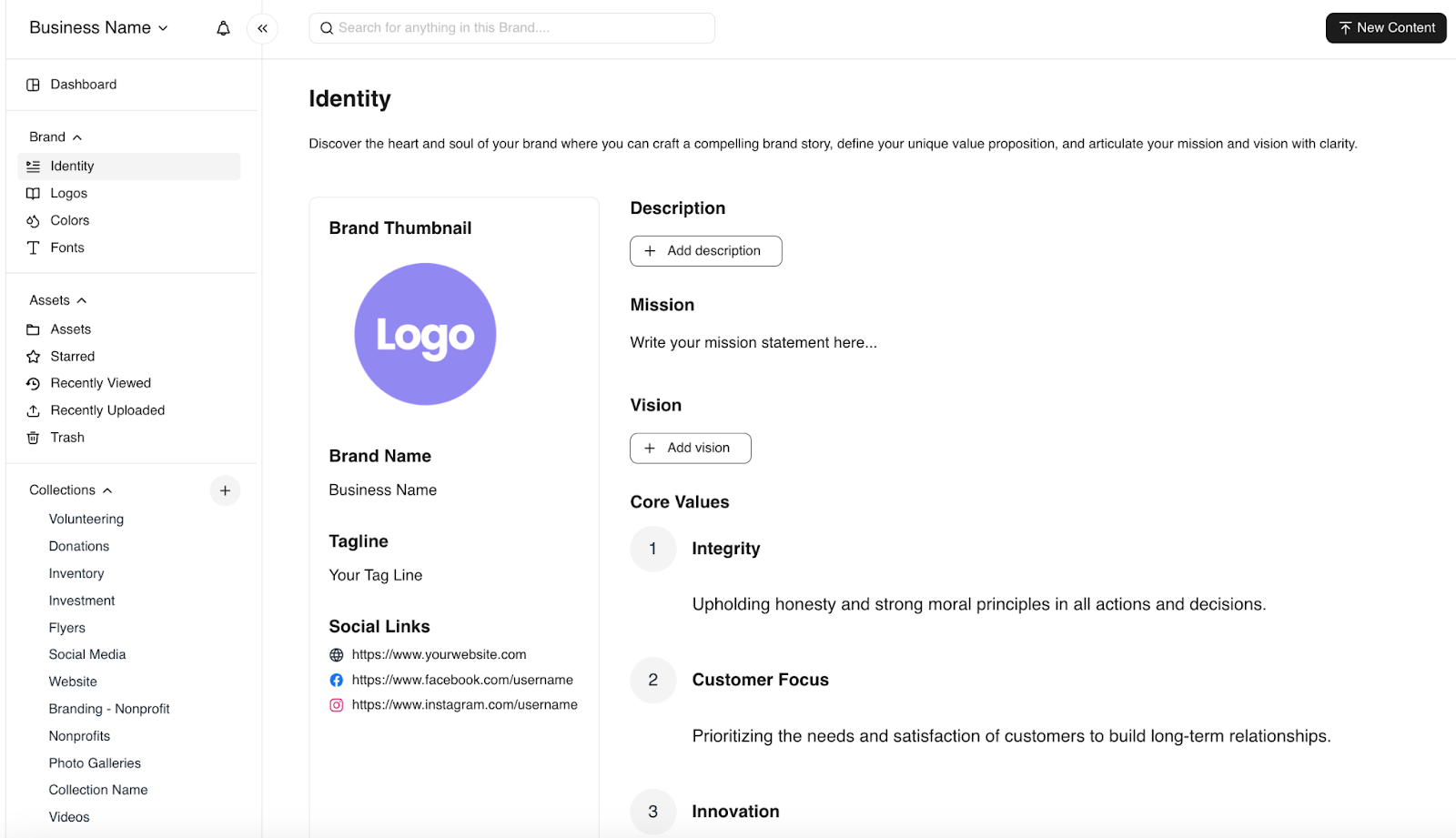
maintain brand consistency across locations using BrandLife
BrandLife’s Brand Guideline portal, where you can store brand messages, including value, mission, and vision

It becomes the source of truth that every regional team can refer to when creating graphics or campaigns.

Best Practices for Graphic Coordination

Coordinating graphics across multiple locations requires a balance of structure, flexibility, and the right systems to ensure every team delivers on-brand visuals without slowing down execution. 

Utilize centralized digital asset management

A centralized digital asset management system is the cornerstone of scalable brand coordination. Digital asset management system provides a central repository where every graphic, template, guideline, and campaign asset lives—organized, tagged, and accessible.

Key outcomes include:

  • One approved version of every asset
  • Clear ownership and permissions
  • Faster access for distributed teams
  • Reduced rework and duplication

Leveraging BrandLife for asset management
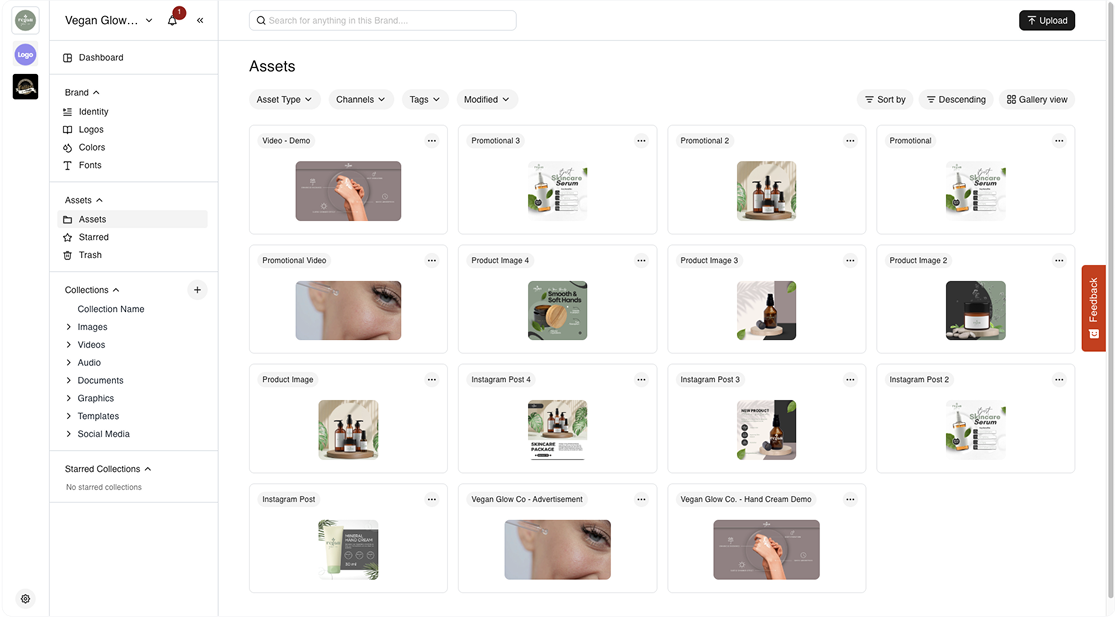
BrandLife's centralized design storage
BrandLife’s digital asset centralized storage for valuable marketing materials

BrandLife’s digital asset management features are built for multi-location teams:

  • Centralized asset library with granular permissions
  • AI-powered tagging and search so teams find exactly what they need
  • Version control to prevent outdated graphics from circulating
  • Template hubs that allow local teams to customize campaigns without breaking brand rules

For agencies, this means each client brand remains distinct. For franchises, it means local teams work from approved materials without friction.

Teams using BrandLife report up to a 50% reduction in time spent searching for assets and a 30% drop in brand misalignment incidents.

Standardizing visual elements across locations

Consistency does not mean rigidity. It means standard rules with controlled flexibility.

Define what elements must remain fixed, such as logo, color hierarchy, and signature typography, and where local variations are acceptable.

Standardization works best when:

  • Logos are locked with usage rules
  • Color values are copyable and visible
  • Fonts are stored and shared centrally
  • Templates are available for common formats

BrandLife allows teams to store colors, fonts, and logo rules directly alongside assets, removing guesswork for local teams and partners.
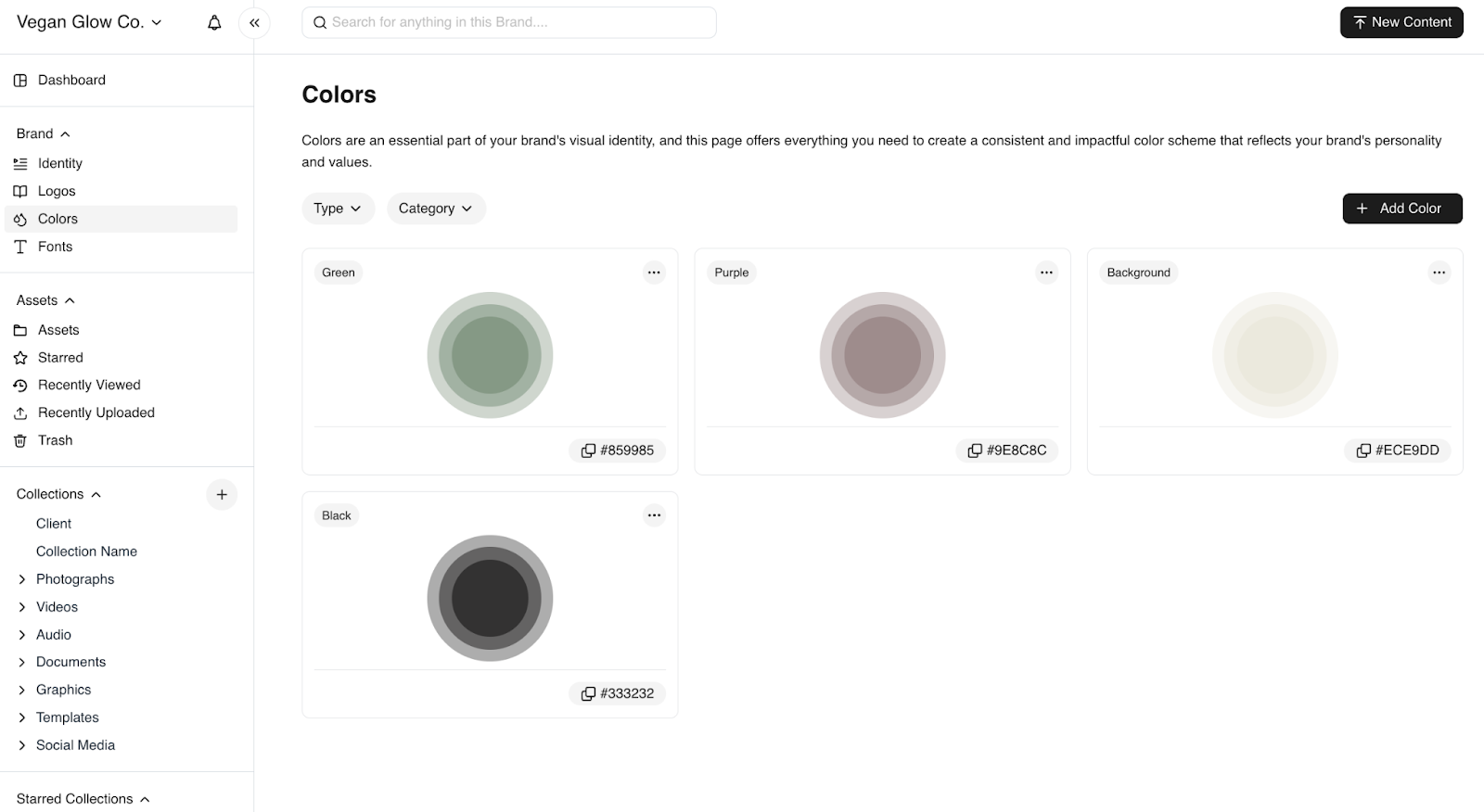
BrandLife's brand guideline portal for storing marketing materials style guides
Maintain your brand identity by storing all your visual branding guides in one place

Providing training and support for teams

Even the best system fails without adoption. Training should focus on daily workflows, not abstract features.

Effective training includes:

  • Short onboarding sessions for new users
  • Visual walkthroughs of asset retrieval
  • Clear guidance on approvals and updates
  • Support for external partners and freelancers

Cross-functional training ensures that designers, marketers, and even external vendors speak the same visual language. It’s a key investment for scaling consistency.

Self-serve onboarding, intuitive navigation, and role-based access are reasons many growing teams adopt BrandLife over heavier enterprise platforms.

Overcoming Challenges In Multi-Location Branding

Managing brand consistency across multiple locations comes with its own challenges, even after adopting the right tools. 

Challenge #1: Managing diverse market needs and preferences

Each market has unique preferences, cultural nuances, and regulatory requirements. The trick is balancing local relevance with global consistency.

  • Define what cannot change (core brand elements)
  • Define what can adapt (localized messaging, optional stylistic accents)
  • Provide region-specific templates within your digital asset management platform

This approach lets local teams tailor content without diluting the brand’s core identity.

Challenge #2: Dealing with technology and tool resistance

Teams can be resistant when new tools are introduced, especially if there’s a learning curve.

Combat resistance by:

  • Communicating why change matters
  • Linking tools to clear productivity gains
  • Providing hands-on support and champions

BrandLife’s intuitive interface and training resources help minimize resistance and accelerate adoption.

Challenge #3: Ensuring compliance with brand guidelines

Even with guidelines and software, some teams may unintentionally stray off-brand.

Strategies for compliance include:

  • Scheduled internal reviews
  • Automated pre-publish checks
  • Regular “brand health” assessments tied to performance metrics

Additionally, some core features, such as version control with history, permission-based editing, and embedded guidelines next to assets, can guide behavior naturally. 

For instance, BrandLife’s external sharing link with freelancers and agencies, combined with expiration controls, ensures that only the latest approved assets are accessible. 
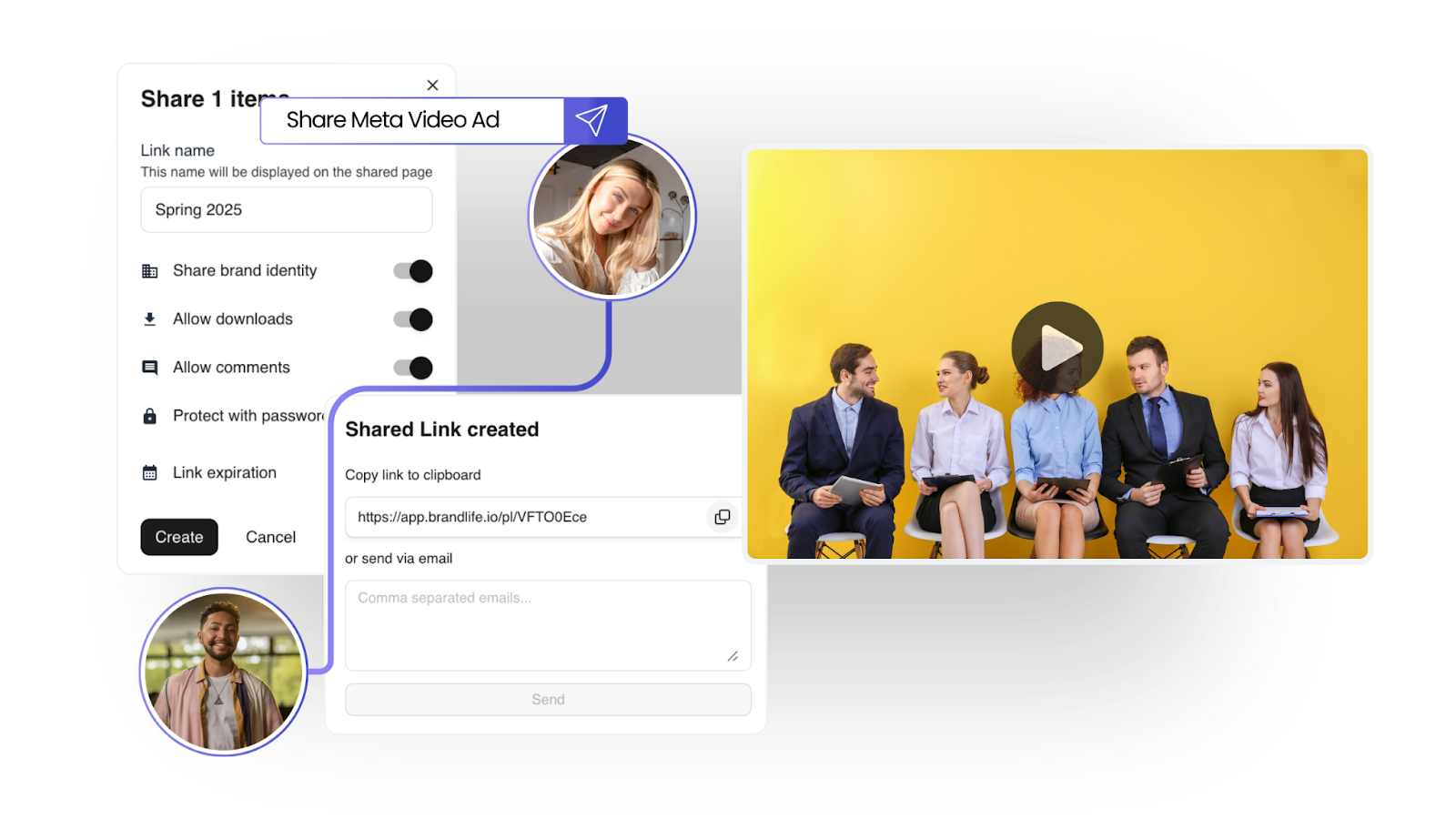
BrandLife's DAM external collaboration feature with shareholders and freelancers for consistency
BrandLife’s shareable link feature simplifies collaboration with internal and external stakeholders

This reduces the risk of off-brand usage and maintains strict brand compliance.

Tools And Technologies For Streamlining Graphics Coordination

Technology plays a critical role in simplifying how distributed teams create, manage, and deploy brand visuals. 

The right tools reduce manual effort, eliminate version confusion, and make it easier for every location to access on-brand assets. Here are a few features that help streamline graphics coordination across teams and regions.

AI-powered tagging and advanced search
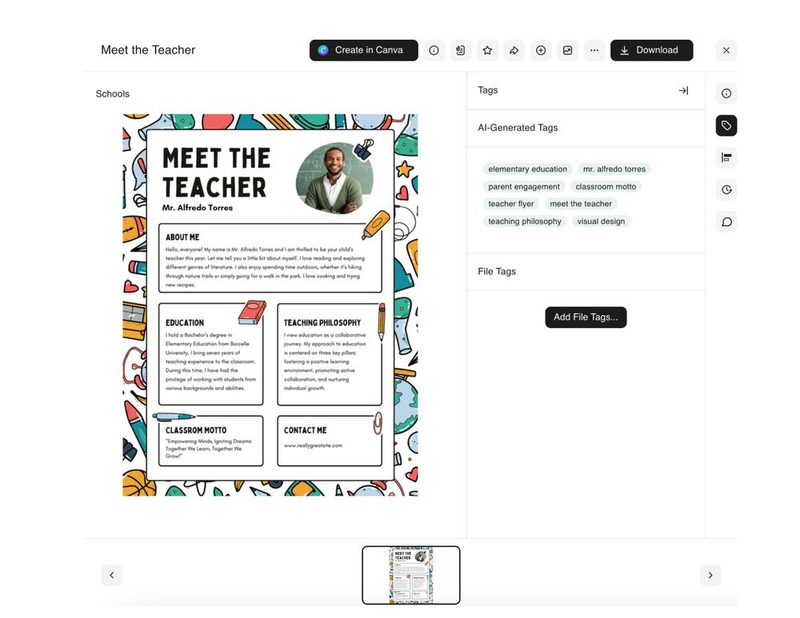
BrandLife's cloud DAM feature – AI tagging and smart search
BrandLife automatically assigns relevant tags to streamline asset organization

Modern digital asset management platforms, including BrandLife, use AI tagging to automatically label assets with relevant terms. This makes it easier for teams to find the right items without manual cataloging.

AI also enables smart suggestions, improving efficiency and reducing errors.

Real-time collaboration tools

Multi-location graphic workflows demand collaboration. Tools that support:

  • Shared commenting
  • Live editing
  • Version history

help teams work together seamlessly, no matter where they’re located.

Integrating these collaboration features within your digital asset management workflow reduces friction between creatives, marcom teams, and local stakeholders.
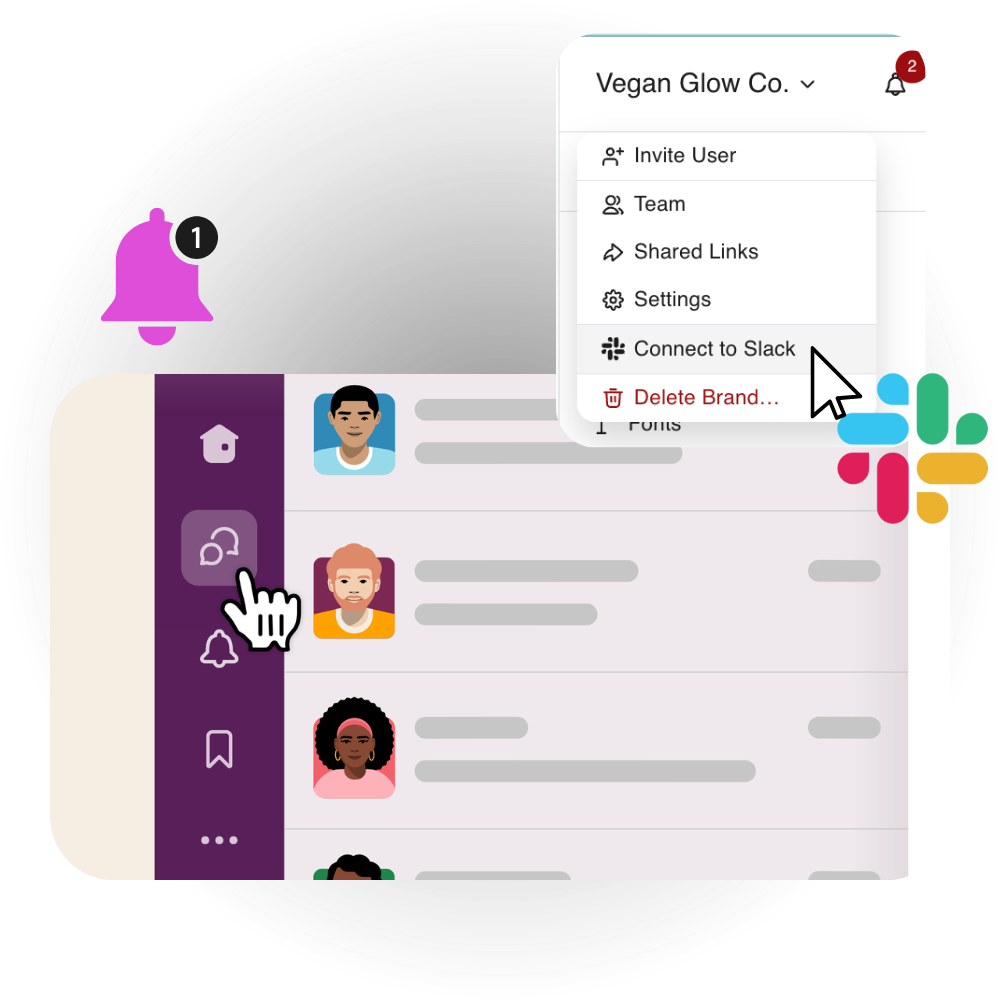
Brandlife real-time collaboration tool
BrandLife connects with Slack to streamline real-time updates and prompt messaging within the workspace

Integration with popular marketing platforms

BrandLife's integration with Canva
BrandLife’s seamless integration with Canva for designing and storing templates

Coordination improves when tools connect. BrandLife integrates with:

  • Canva for quick edits
  • Figma for design workflows
  • Google Drive and Dropbox for imports
  • Slack for notifications

These integrations reduce friction and keep teams in their preferred working environments.

Monitoring And Auditing Brand Consistency

Even with the right guidelines and tools in place, brand consistency can drift over time, especially across multiple locations. 

Regular monitoring and auditing help you catch gaps early and ensure every team stays aligned with your brand’s visual identity

Regular brand audits and feedback loops

Brand audits should be routine, not reactive.

A simple cadence:

  • Quarterly asset review
  • Identify outdated or unused assets
  • Check regional adaptations
  • Update guidelines as needed

Follow up audits with structured feedback loops that inform updates to guidelines and training.

Utilizing brand management software

Brand management software with analytics helps teams move from assumptions to insight.

BrandLife provides usage analytics that show:

  • Which assets are used most
  • Where inconsistencies occur
  • Which teams or regions need support
BrandLife's built in analytical feature screenshot
BrandLife’s insights into asset usage and its performance

This data helps you iterate and improve, rather than just maintain consistency.

Achieving Brand Consistency With BrandLife

Coordinating graphics across multiple locations is a strategic imperative for any brand that wants to build recognition, trust, and lasting customer relationships.

A clear visual identity and a centralized digital asset management platform set the stage for brand success. Standardizing core elements and equipping local teams with training brings that strategy to life across every location.

BrandLife empowers multi-location teams with the infrastructure they need—from digital asset management excellence to collaboration, version control, and compliance tools. 

Centralized repository
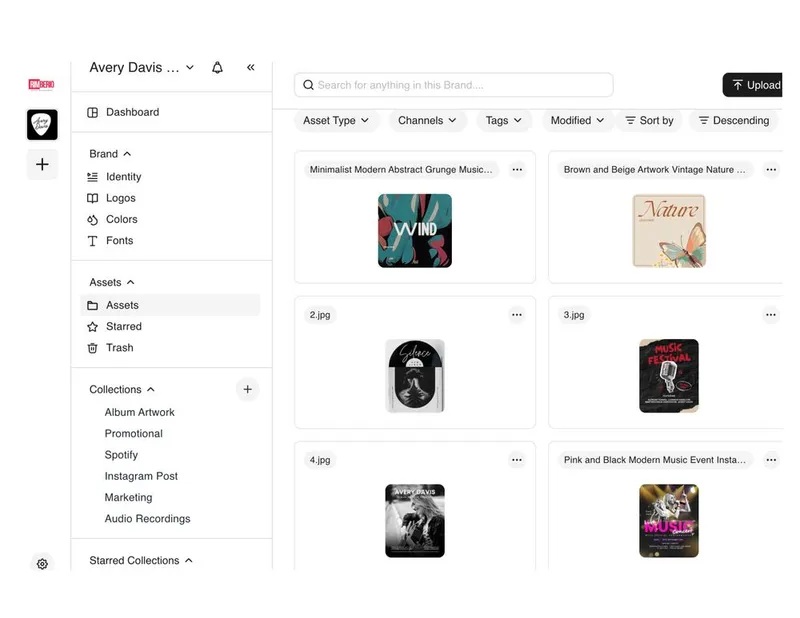
BrandLife's DAM centralized platform
BrandLife’s digital asset management portal enables users to categorize content

BrandLife provides a single, organized space where all brand assets and guidelines are stored and easily accessible to every team. This reduces time spent searching for files and minimizes the risk of using outdated or off-brand visuals.

Version control
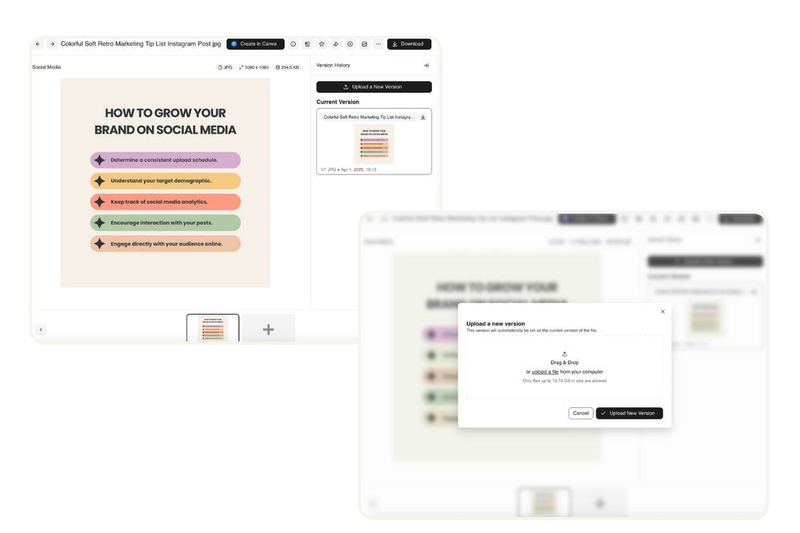
Manage your brand consistency with BrandLife's version control feature
BrandLife’s version control feature helps ensure brand consistency across channels

With BrandLife’s built-in version control, teams can track updates and ensure only the most current assets are used across campaigns. It helps avoid duplication and confusion when multiple stakeholders work on the same files.

Workflow approval automation

BrandLife's approval workflow feature for enhancing brand consistency
BrandLife’s contextual commenting and approval workflow ensures brand governance

BrandLife’s workflow approval process enables structured reviews before assets go live. This ensures brand compliance while keeping collaboration between teams smooth and transparent.

Start your 14-day free trial with BrandLife and simplify how your teams coordinate and maintain brand-consistent graphics across all locations and teams. 

Frequently Asked Questions

How can technology aid in maintaining brand consistency across different locations?

Technology helps centralize brand assets, automate version control, and standardize templates so every team works from the same source of truth. This reduces errors and ensures consistent execution across regions.

What are the common challenges faced in graphic coordination across multiple locations?

Teams often struggle with scattered assets, outdated files, and misinterpretation of brand guidelines. Lack of visibility and slow approvals can also lead to inconsistent visuals across locations.

How can centralized digital asset management improve brand consistency?

A centralized digital asset management system like BrandLife ensures all teams have access to approved, up-to-date graphics from one platform. It simplifies asset sharing, enforces guidelines, and helps maintain consistency at scale.

Related

See more
Understanding Multiple Branding: A Comprehensive Guide

Understanding Multiple Branding: A Comprehensive Guide

Coordinating Graphics Across Multiple Locations: Ensuring Brand Consistency

Coordinating Graphics Across Multiple Locations: Ensuring Brand Consistency

Brand Uniformity: The Key to Cohesive Branding

Brand Uniformity: The Key to Cohesive Branding

Ready to make your brand unstoppable?

Try it free or request a quote. Let’s build your brand’s next.

Coordinating Graphics Across Multiple Locations: Ensuring Brand Consistency

Why brand visuals drift, and how to bring them back into alignment
Start Free TrialDownload Free PDF
Coordinating Graphics Across Multiple Locations: Ensuring Brand Consistency

Key Takeways

  • Brand consistency across locations starts with a clear visual identity. Defined logos, colors, typography, and layouts ensure every team works from the same creative foundation.
  • Centralized digital asset management is essential for scale. A digital asset management platform like BrandLife creates a single source of truth for assets, templates, and guidelines.
  • Standardization and flexibility must coexist. Lock core brand elements while allowing controlled local customization to stay relevant in different markets.
  • Ongoing audits and workflows keep brands on track. Regular reviews, version control, and approval processes prevent drift and maintain long-term visual alignment.

Maintaining graphic and visual brand consistency across multiple offices, franchises, agencies, or regional teams is both a strategic advantage and an operational challenge. 

When customers encounter misaligned visual assets from one region to the next, it can erode trust, weaken recognition, and ultimately impact revenue. Yet when brands get this right, they build familiarity and reliability that customers return to again and again.

This article explores practical strategies, tools, and frameworks that help teams coordinate graphics across multiple locations for brand consistency. It also highlights how BrandLife’s digital asset management (DAM) ecosystem simplifies and scales this process.

Why Consistent Graphics Matter Across Locations

Imagine walking into a store in New York only to find brand signage that looks completely different from the one you saw in Dubai—different fonts, mismatched color palettes, and unfamiliar imagery. That confusion dilutes your sense of familiarity and trust.

Visual consistency signals professionalism and credibility. It ensures that wherever a customer interacts with your brand, whether online or offline, the experience feels coherent. 

A study by Lucidpress showed that consistent branding can increase revenue by 10–20% because it reinforces recognition and reduces cognitive friction for customers.

For companies operating in multiple markets, inconsistent graphics becomes a brand and growth issue.

Without a centralized digital asset management approach, even strong brand guidelines struggle to hold.

maintain brand's style guide on BrandLife's Dam platform
BrandLife’s portal to centralize all your brand messaging, tone, and typographies

The impact on brand recognition and customer trust

Brand recognition is foundational to customer decision-making. Broader branding data indicates that 81% of consumers need to trust a brand before they’ll consider buying from it, and visual consistency plays a major role in building that trust. 

Customers make split-second judgments based on visuals. A unified design language helps your brand stick in their minds, and as repeat impressions build, so does loyalty.

Building A Solid Brand Foundation for Graphic Consistency

A strong brand foundation ensures that every location starts from the same visual playbook, making consistency easier to maintain as your teams and campaigns scale.

Here are the practical steps to build that foundation.

Defining your brand’s visual identity

Before you can coordinate across locations, you need a clearly articulated visual identity—the set of design elements that together form your brand’s look and feel.

At a minimum, this includes:

  • Approved logos and logo variations
  • Primary and secondary color palettes
  • Typography rules and hierarchy
  • Image and illustration style
  • Tone for visual layouts and spacing

This foundation should reflect how the brand appears in real campaigns, not just idealized examples.

Creating comprehensive brand guidelines

Brand guidelines work when they are usable. Static PDFs buried in folders rarely influence day-to-day execution.

Effective guidelines:

  • Live alongside assets
  • Are easy to reference during production
  • Show approved usage and common mistakes
  • Update in real time as the brand evolves

Modern digital asset management platforms embed guidelines directly into the asset environment. This is where BrandLife’s built-in branding guideline portal becomes practical rather than theoretical.

maintain brand consistency across locations using BrandLife
BrandLife’s Brand Guideline portal, where you can store brand messages, including value, mission, and vision

It becomes the source of truth that every regional team can refer to when creating graphics or campaigns.

Best Practices for Graphic Coordination

Coordinating graphics across multiple locations requires a balance of structure, flexibility, and the right systems to ensure every team delivers on-brand visuals without slowing down execution. 

Utilize centralized digital asset management

A centralized digital asset management system is the cornerstone of scalable brand coordination. Digital asset management system provides a central repository where every graphic, template, guideline, and campaign asset lives—organized, tagged, and accessible.

Key outcomes include:

  • One approved version of every asset
  • Clear ownership and permissions
  • Faster access for distributed teams
  • Reduced rework and duplication

Leveraging BrandLife for asset management

BrandLife's centralized design storage
BrandLife’s digital asset centralized storage for valuable marketing materials

BrandLife’s digital asset management features are built for multi-location teams:

  • Centralized asset library with granular permissions
  • AI-powered tagging and search so teams find exactly what they need
  • Version control to prevent outdated graphics from circulating
  • Template hubs that allow local teams to customize campaigns without breaking brand rules

For agencies, this means each client brand remains distinct. For franchises, it means local teams work from approved materials without friction.

Teams using BrandLife report up to a 50% reduction in time spent searching for assets and a 30% drop in brand misalignment incidents.

Standardizing visual elements across locations

Consistency does not mean rigidity. It means standard rules with controlled flexibility.

Define what elements must remain fixed, such as logo, color hierarchy, and signature typography, and where local variations are acceptable.

Standardization works best when:

  • Logos are locked with usage rules
  • Color values are copyable and visible
  • Fonts are stored and shared centrally
  • Templates are available for common formats

BrandLife allows teams to store colors, fonts, and logo rules directly alongside assets, removing guesswork for local teams and partners.

BrandLife's brand guideline portal for storing marketing materials style guides
Maintain your brand identity by storing all your visual branding guides in one place

Providing training and support for teams

Even the best system fails without adoption. Training should focus on daily workflows, not abstract features.

Effective training includes:

  • Short onboarding sessions for new users
  • Visual walkthroughs of asset retrieval
  • Clear guidance on approvals and updates
  • Support for external partners and freelancers

Cross-functional training ensures that designers, marketers, and even external vendors speak the same visual language. It’s a key investment for scaling consistency.

Self-serve onboarding, intuitive navigation, and role-based access are reasons many growing teams adopt BrandLife over heavier enterprise platforms.

Overcoming Challenges In Multi-Location Branding

Managing brand consistency across multiple locations comes with its own challenges, even after adopting the right tools. 

Challenge #1: Managing diverse market needs and preferences

Each market has unique preferences, cultural nuances, and regulatory requirements. The trick is balancing local relevance with global consistency.

  • Define what cannot change (core brand elements)
  • Define what can adapt (localized messaging, optional stylistic accents)
  • Provide region-specific templates within your digital asset management platform

This approach lets local teams tailor content without diluting the brand’s core identity.

Challenge #2: Dealing with technology and tool resistance

Teams can be resistant when new tools are introduced, especially if there’s a learning curve.

Combat resistance by:

  • Communicating why change matters
  • Linking tools to clear productivity gains
  • Providing hands-on support and champions

BrandLife’s intuitive interface and training resources help minimize resistance and accelerate adoption.

Challenge #3: Ensuring compliance with brand guidelines

Even with guidelines and software, some teams may unintentionally stray off-brand.

Strategies for compliance include:

  • Scheduled internal reviews
  • Automated pre-publish checks
  • Regular “brand health” assessments tied to performance metrics

Additionally, some core features, such as version control with history, permission-based editing, and embedded guidelines next to assets, can guide behavior naturally. 

For instance, BrandLife’s external sharing link with freelancers and agencies, combined with expiration controls, ensures that only the latest approved assets are accessible. 

BrandLife's DAM external collaboration feature with shareholders and freelancers for consistency
BrandLife’s shareable link feature simplifies collaboration with internal and external stakeholders

This reduces the risk of off-brand usage and maintains strict brand compliance.

Tools And Technologies For Streamlining Graphics Coordination

Technology plays a critical role in simplifying how distributed teams create, manage, and deploy brand visuals. 

The right tools reduce manual effort, eliminate version confusion, and make it easier for every location to access on-brand assets. Here are a few features that help streamline graphics coordination across teams and regions.

AI-powered tagging and advanced search

BrandLife's cloud DAM feature – AI tagging and smart search
BrandLife automatically assigns relevant tags to streamline asset organization

Modern digital asset management platforms, including BrandLife, use AI tagging to automatically label assets with relevant terms. This makes it easier for teams to find the right items without manual cataloging.

AI also enables smart suggestions, improving efficiency and reducing errors.

Real-time collaboration tools

Multi-location graphic workflows demand collaboration. Tools that support:

  • Shared commenting
  • Live editing
  • Version history

help teams work together seamlessly, no matter where they’re located.

Integrating these collaboration features within your digital asset management workflow reduces friction between creatives, marcom teams, and local stakeholders.

Brandlife real-time collaboration tool
BrandLife connects with Slack to streamline real-time updates and prompt messaging within the workspace

Integration with popular marketing platforms

BrandLife's integration with Canva
BrandLife’s seamless integration with Canva for designing and storing templates

Coordination improves when tools connect. BrandLife integrates with:

  • Canva for quick edits
  • Figma for design workflows
  • Google Drive and Dropbox for imports
  • Slack for notifications

These integrations reduce friction and keep teams in their preferred working environments.

Monitoring And Auditing Brand Consistency

Even with the right guidelines and tools in place, brand consistency can drift over time, especially across multiple locations. 

Regular monitoring and auditing help you catch gaps early and ensure every team stays aligned with your brand’s visual identity

Regular brand audits and feedback loops

Brand audits should be routine, not reactive.

A simple cadence:

  • Quarterly asset review
  • Identify outdated or unused assets
  • Check regional adaptations
  • Update guidelines as needed

Follow up audits with structured feedback loops that inform updates to guidelines and training.

Utilizing brand management software

Brand management software with analytics helps teams move from assumptions to insight.

BrandLife provides usage analytics that show:

  • Which assets are used most
  • Where inconsistencies occur
  • Which teams or regions need support
BrandLife's built in analytical feature screenshot
BrandLife’s insights into asset usage and its performance

This data helps you iterate and improve, rather than just maintain consistency.

Achieving Brand Consistency With BrandLife

Coordinating graphics across multiple locations is a strategic imperative for any brand that wants to build recognition, trust, and lasting customer relationships.

A clear visual identity and a centralized digital asset management platform set the stage for brand success. Standardizing core elements and equipping local teams with training brings that strategy to life across every location.

BrandLife empowers multi-location teams with the infrastructure they need—from digital asset management excellence to collaboration, version control, and compliance tools. 

Centralized repository

BrandLife's DAM centralized platform
BrandLife’s digital asset management portal enables users to categorize content

BrandLife provides a single, organized space where all brand assets and guidelines are stored and easily accessible to every team. This reduces time spent searching for files and minimizes the risk of using outdated or off-brand visuals.

Version control

Manage your brand consistency with BrandLife's version control feature
BrandLife’s version control feature helps ensure brand consistency across channels

With BrandLife’s built-in version control, teams can track updates and ensure only the most current assets are used across campaigns. It helps avoid duplication and confusion when multiple stakeholders work on the same files.

Workflow approval automation

BrandLife's approval workflow feature for enhancing brand consistency
BrandLife’s contextual commenting and approval workflow ensures brand governance

BrandLife’s workflow approval process enables structured reviews before assets go live. This ensures brand compliance while keeping collaboration between teams smooth and transparent.

Start your 14-day free trial with BrandLife and simplify how your teams coordinate and maintain brand-consistent graphics across all locations and teams. 

Frequently Asked Questions

How can technology aid in maintaining brand consistency across different locations?

Technology helps centralize brand assets, automate version control, and standardize templates so every team works from the same source of truth. This reduces errors and ensures consistent execution across regions.

What are the common challenges faced in graphic coordination across multiple locations?

Teams often struggle with scattered assets, outdated files, and misinterpretation of brand guidelines. Lack of visibility and slow approvals can also lead to inconsistent visuals across locations.

How can centralized digital asset management improve brand consistency?

A centralized digital asset management system like BrandLife ensures all teams have access to approved, up-to-date graphics from one platform. It simplifies asset sharing, enforces guidelines, and helps maintain consistency at scale.

Professional Branding Start Here

Everything you need to launch and maintain a consistent brand.

Try Free TrialLearn More

Related Resources

Understanding Multiple Branding: A Comprehensive Guide

Understanding Multiple Branding: A Comprehensive Guide

Coordinating Graphics Across Multiple Locations: Ensuring Brand Consistency

Coordinating Graphics Across Multiple Locations: Ensuring Brand Consistency

Transform the way you

manage your assets

8.8 hours/ week are wasted just looking for files and content