

Key Takeaways
- Consistent branding strengthens recognition, trust, and revenue impact, making it essential for modern multi-channel marketing environments.
- Alignment across visual identity, messaging, and customer experience ensures a seamless brand journey across digital and offline touchpoints.
- Digital asset management platforms like BrandLife help centralize assets, automate workflows, and reduce versioning errors for distributed teams.
- Regular audits, evolving brand guidelines, and empowered teams are crucial to maintaining cohesive, scalable brand delivery.
Maintaining brand consistency across platforms is essential for businesses aiming to build a strong, recognizable presence in today’s crowded market.
With consumers engaging with brands across a wide variety of channels, including social media, websites, emails, and more, ensuring that your brand message, visuals, and customer experience remain unified is crucial. Inconsistent branding can dilute your identity, confuse your audience, and erode trust.
In this guide, we’ll explore why brand consistency matters, key elements that contribute to a cohesive brand experience, and best practices for maintaining consistency across different platforms.
We’ll also look at how technology solutions, such as BrandLife’s digital asset management platform, can help streamline the process, making it easier than ever for teams to stay aligned.
Whether you’re looking to enhance your brand recognition, build customer trust, or improve operational efficiency, this guide provides actionable insights to strengthen your brand at every touchpoint.
What is Brand Consistency?
It’s not just about repeating the same logo or color. It’s about applying a unified voice, design language, and experience so that your brand feels coherent and reliable—no matter where or how people encounter it.
Why Is Brand Consistency Critical Across Platforms?
Here are a few reasons why brands have to maintain consistency.
Enhances brand recognition
Consistency reinforces memory and helps audiences recognise your brand quickly. According to recent branding data, consistent brand presentation across platforms can lift revenue by 10–20%.
Furthermore, 50% of consumers say they are more likely to buy from brands they recognize.
In other words: consistency doesn’t just help you look polished—it directly supports growth.
Builds trust and credibility
In an age of overwhelming choices and information overload, consumers gravitate toward brands that feel stable and reliable.
A consistent brand sends a signal: this organization is organized, professional, and cares about its identity. That credibility fosters trust, which can influence buying decisions.
Strengthens brand identity
When visuals, messaging, and experience align, brands can craft a distinct identity that stands out. Consistency helps crystallize what a brand stands for (values, tone, mission), and makes that identity more memorable.
As branding experts note, a strong and consistent brand identity serves as the foundation for sustainable marketing success.
Key Elements of Brand Consistency
Ensuring consistency across platforms involves aligning your brand’s visuals, messaging, and user experience.
Visual identity across platforms
Logo and color palette
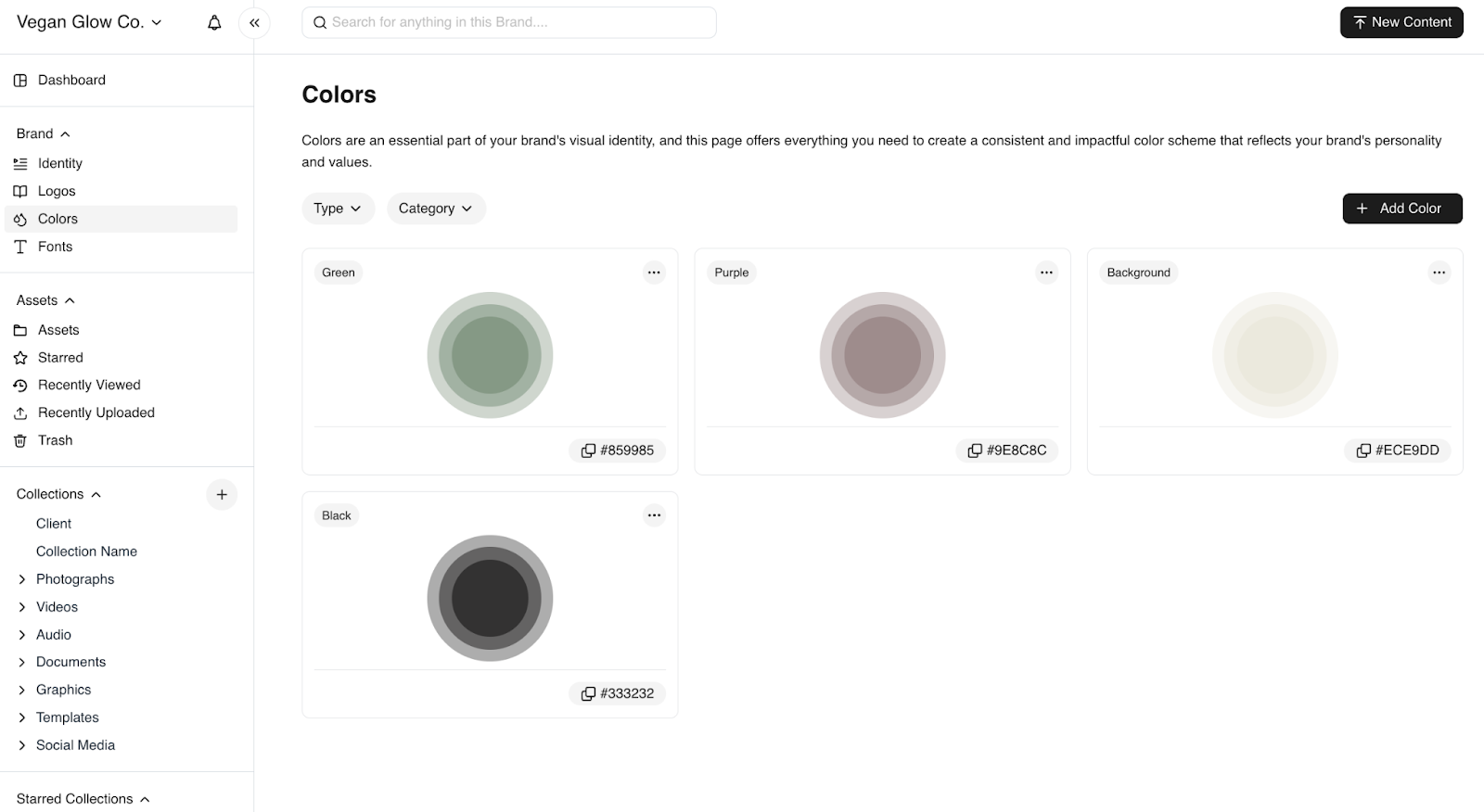
A brand’s logo and signature colors are often the first things a user recognizes. Maintaining the same logo placement, proportions, clear space, and color-scheme across platforms ensures immediate visual continuity.
This isn’t just aesthetic: studies show that using a signature color can improve brand recognition substantially.
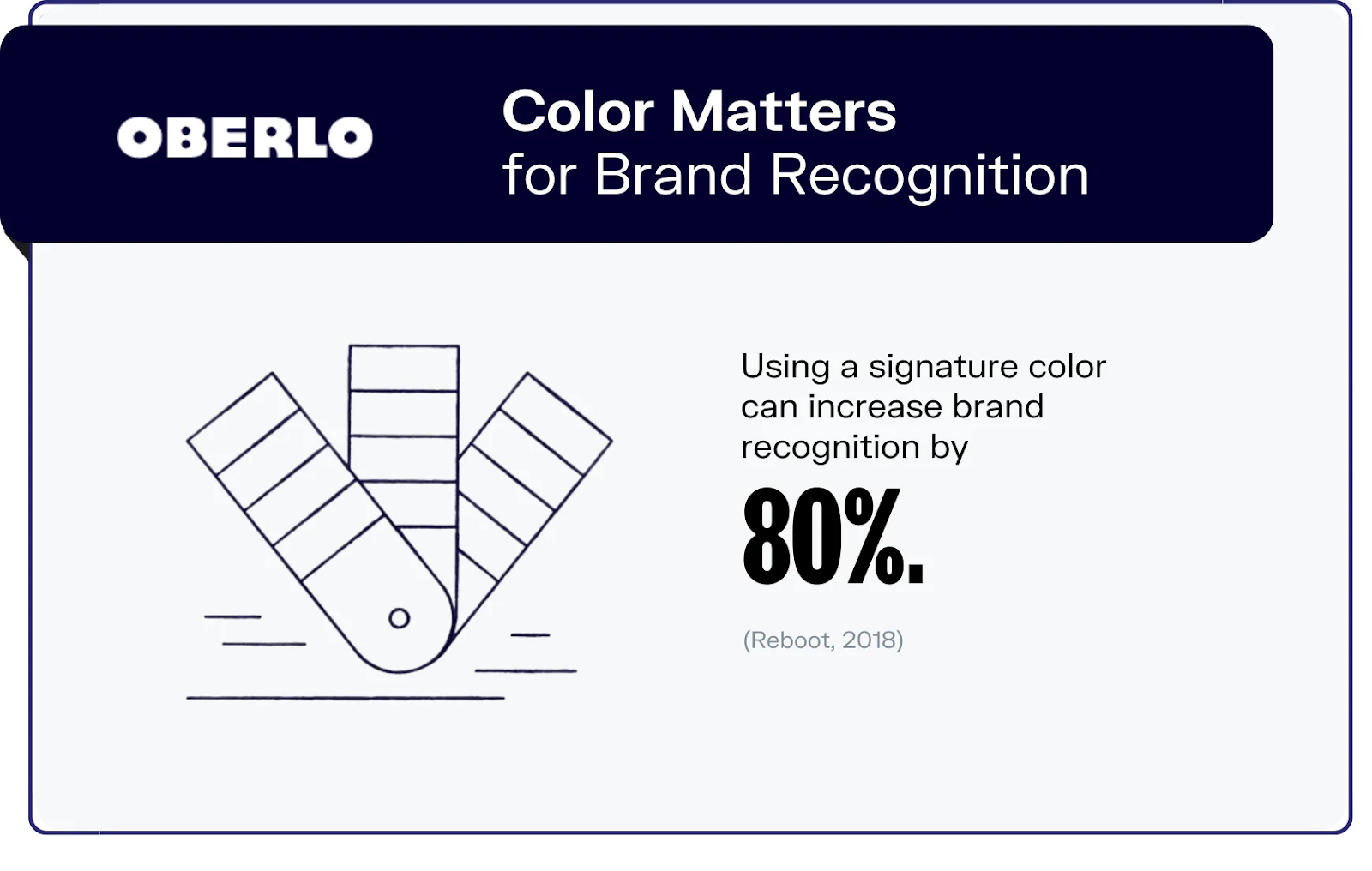
For example, a consistent color palette and logo usage help audiences immediately identify a brand, whether they see it on social media, a website, or an offline ad.
Platforms like BrandLife let you centralize and manage these visual assets, ensuring the correct logos and colors are used, avoiding inconsistencies that could dilute your brand image.
Typography and imagery style
Beyond logo and color, typography (fonts, hierarchy, spacing) and imagery (photography style, illustration style, iconography) play a big role in conveying brand personality.
If your Instagram uses a bold sans-serif and bright images, but your website uses a serif and moody photos, the brand might feel disjointed.
Consistency here ensures that every touchpoint feels like part of the same story—whether it’s a campaign, a brochure, a corporate deck, or a social post.
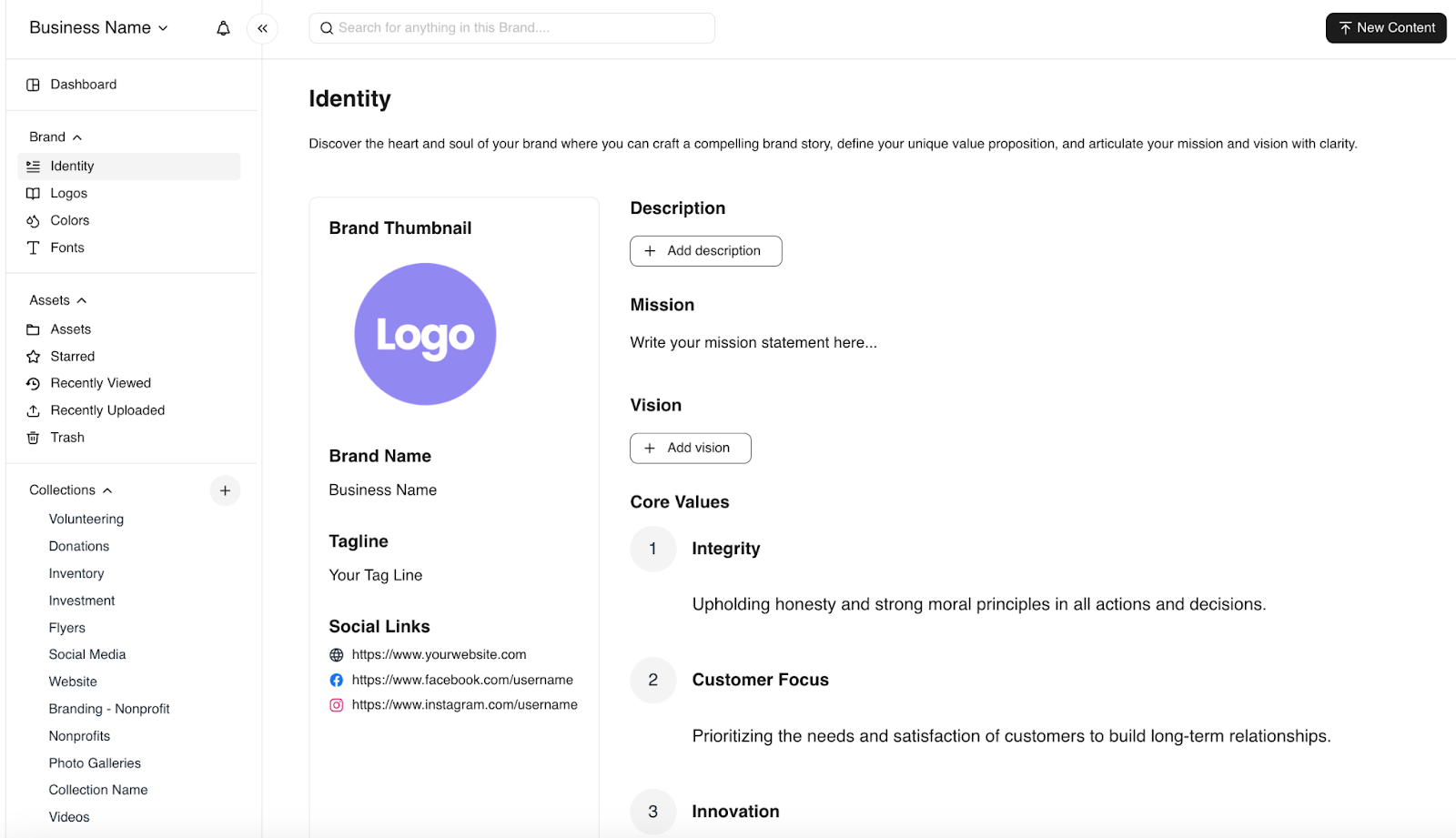
BrandLife comes in, offering features that help ensure all team members use the right typography and images that align with brand guidelines.
Consistent messaging and tone
Brand voice vs. tone
Your brand voice—the underlying personality, values, and style of writing—should remain stable. Tone, on the other hand, can shift depending on context (e.g., more formal in press releases, more casual in social media).
Maintaining a clear brand voice ensures cohesion. For instance, your nonprofit’s annual report should still feel like the same “organization” that posts fun Instagram stories.
Messaging across digital platforms
Your messaging should reflect the same values, goals, and personality on your website, social media, emails, and beyond.
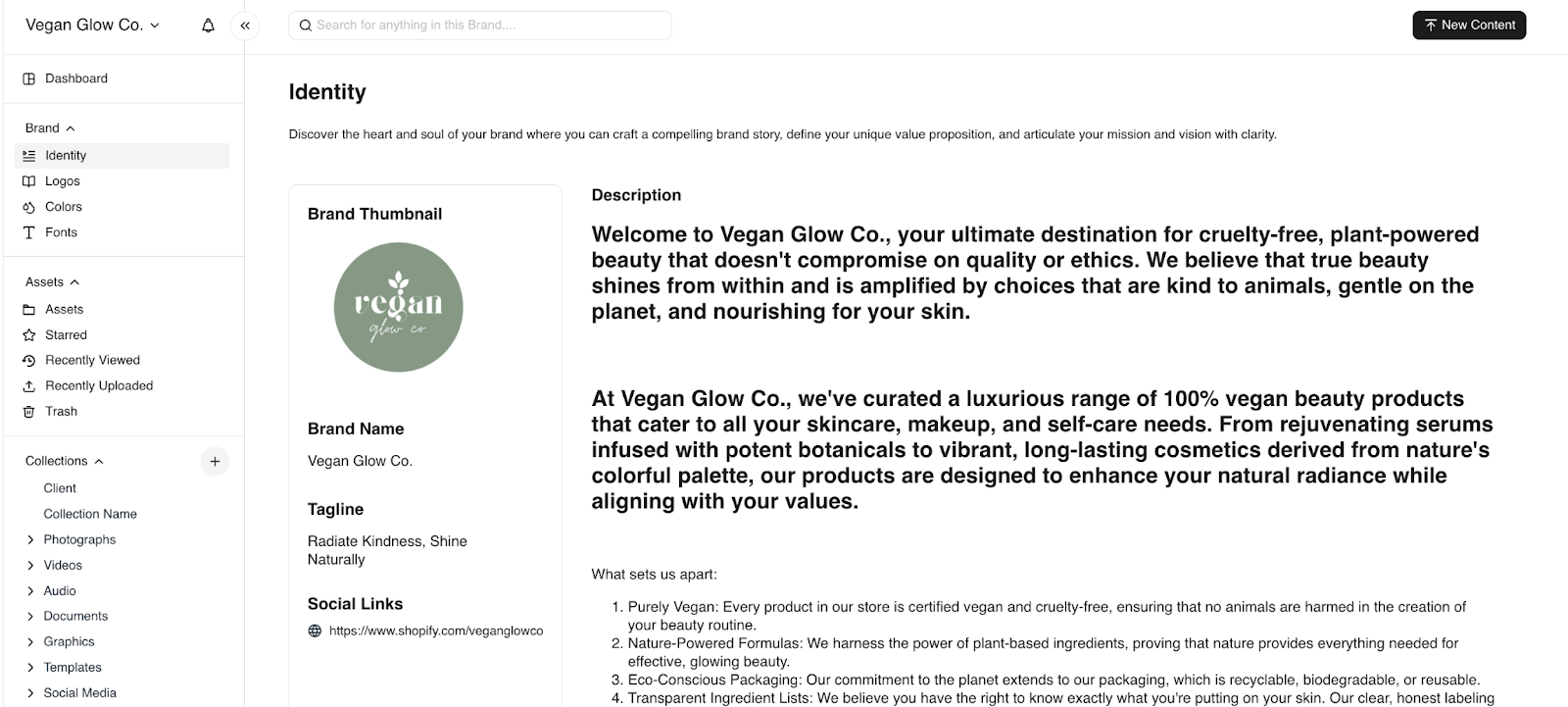
BrandLife’s ability to let you store and manage assets, such as social media posts and email templates, ensures they are always aligned with the brand’s core message.
Unified customer experience
Cross-platform customer interaction
Brand consistency isn’t just visual or verbal but also experiential. That means the experience your customer has interacting with you should feel coherent: from first brand contact to conversion and beyond.
Whether they click your Instagram link, receive a follow-up email, call customer service, or visit your physical location, the tone, experience, and quality should match. This unified journey creates brand trust and satisfaction.
BrandLife enables collaboration across teams, ensuring that every member has access to the same updated resources, making it easier to deliver a consistent customer experience.
Best Practices for Maintaining Brand Consistency
To keep branding clear and cohesive across platforms, teams need a strategic framework supported by modern technology.
Develop and enforce brand guidelines
Start with a comprehensive brand style guide: define logo usage rules, color codes, typography, imagery style, tone of voice, writing style, messaging pillars, and use-case guidance (social media posts, email templates, offline marketing, etc.).
A strong guideline serves as the single source of truth for all teams and external vendors. However, a style guide is only effective if people use it.
Provide training and onboarding sessions for internal teams (marketing, design, sales) and external partners (agencies, freelancers). Encourage questions, provide real examples, and make the guidelines accessible.
Implementing technology solutions
One of the biggest enablers of brand consistency is centralizing digital assets—logos, images, templates, style guides, approved fonts, and more—so everyone has access to the right, up-to-date version. That’s the core function of a digital asset management platform.
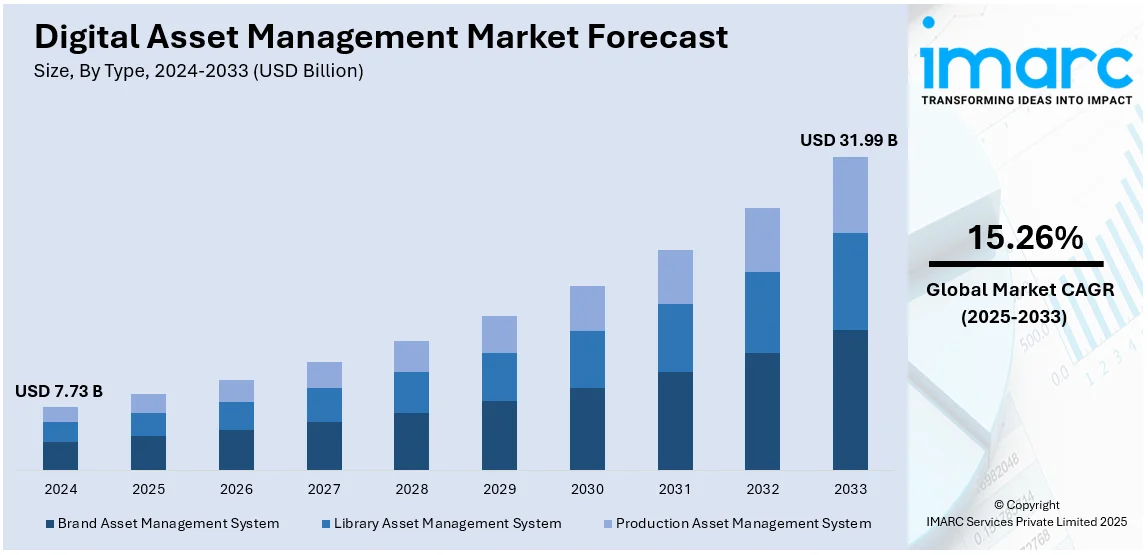
Importantly, the market for digital asset management tools is growing rapidly. The global digital asset management market is projected to reach USD 31.99 billion by 2033, growing at a CAGR of 15.26%.
For teams working across agencies, franchises, or geographically distributed networks—where multiple content creators, translators, and designers collaborate—a digital asset management solution like BrandLife becomes the backbone of consistent branding.
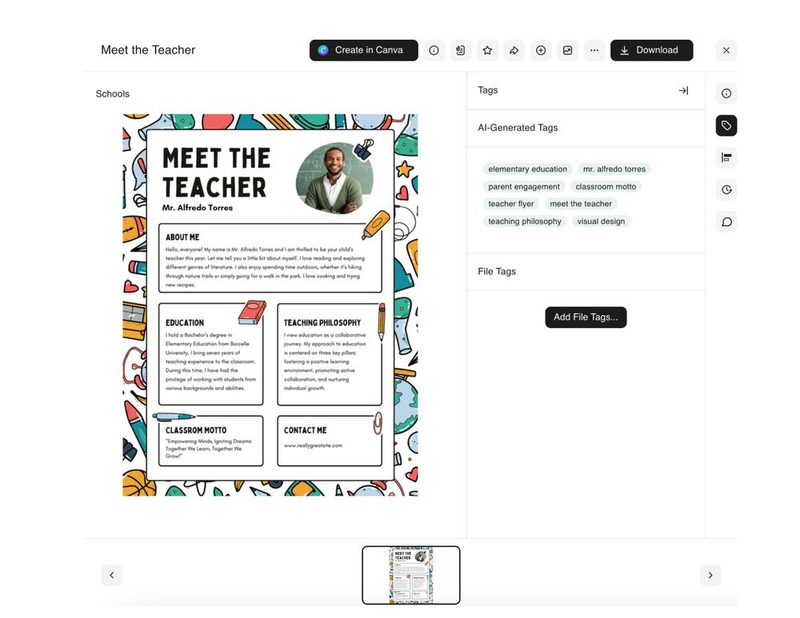
Besides, BrandLife offers AI-powered search and automated tagging, making it easier to manage and retrieve brand assets.
AI can help categorize and tag assets based on metadata, improving access to relevant content and streamlining workflows.
Regular audits and updates
Even with guidelines and a digital asset management platform in place, stagnant rules or outdated assets can erode consistency over time.
Schedule periodic audits: review all digital and print assets across channels, check whether brand guidelines are being followed, and identify discrepancies.
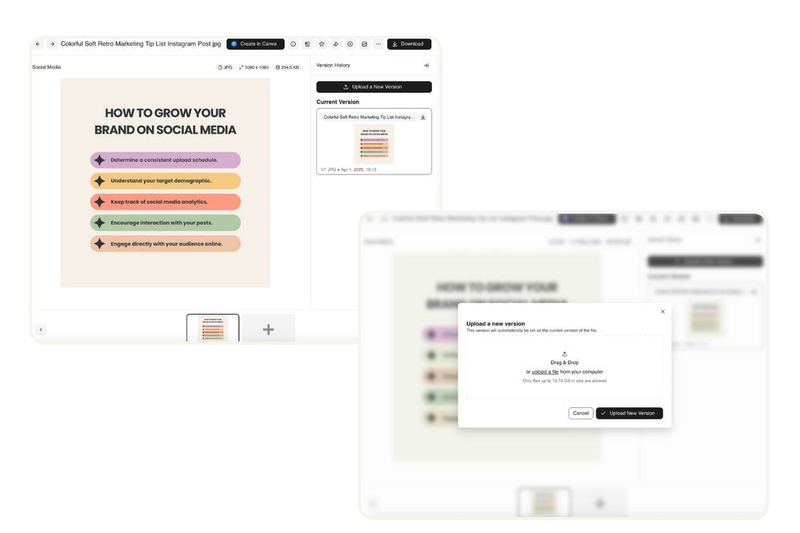
Regular audits of your brand assets, messaging, and guidelines are essential to ensure consistency. With tools like BrandLife, you can track all changes and revisions in your digital assets, ensuring that outdated materials are replaced and brand standards are followed.
Update guidelines as needed
Markets, audiences, and brand strategies evolve. Whenever your brand strategy changes—whether a rebrand, a new line of services, expansion into new regions, or simply refreshing design—update your guidelines and inform all stakeholders.
Keep versioning controlled so everyone uses the latest standard.
Overcoming Challenges in Brand Consistency
Brand consistency is often challenged not by strategy, but by execution gaps that emerge as brands expand across channels, teams, and geographies.
Working with third-party vendors
Ensuring that third-party vendors follow your brand guidelines can be a challenge, especially when sharing assets.
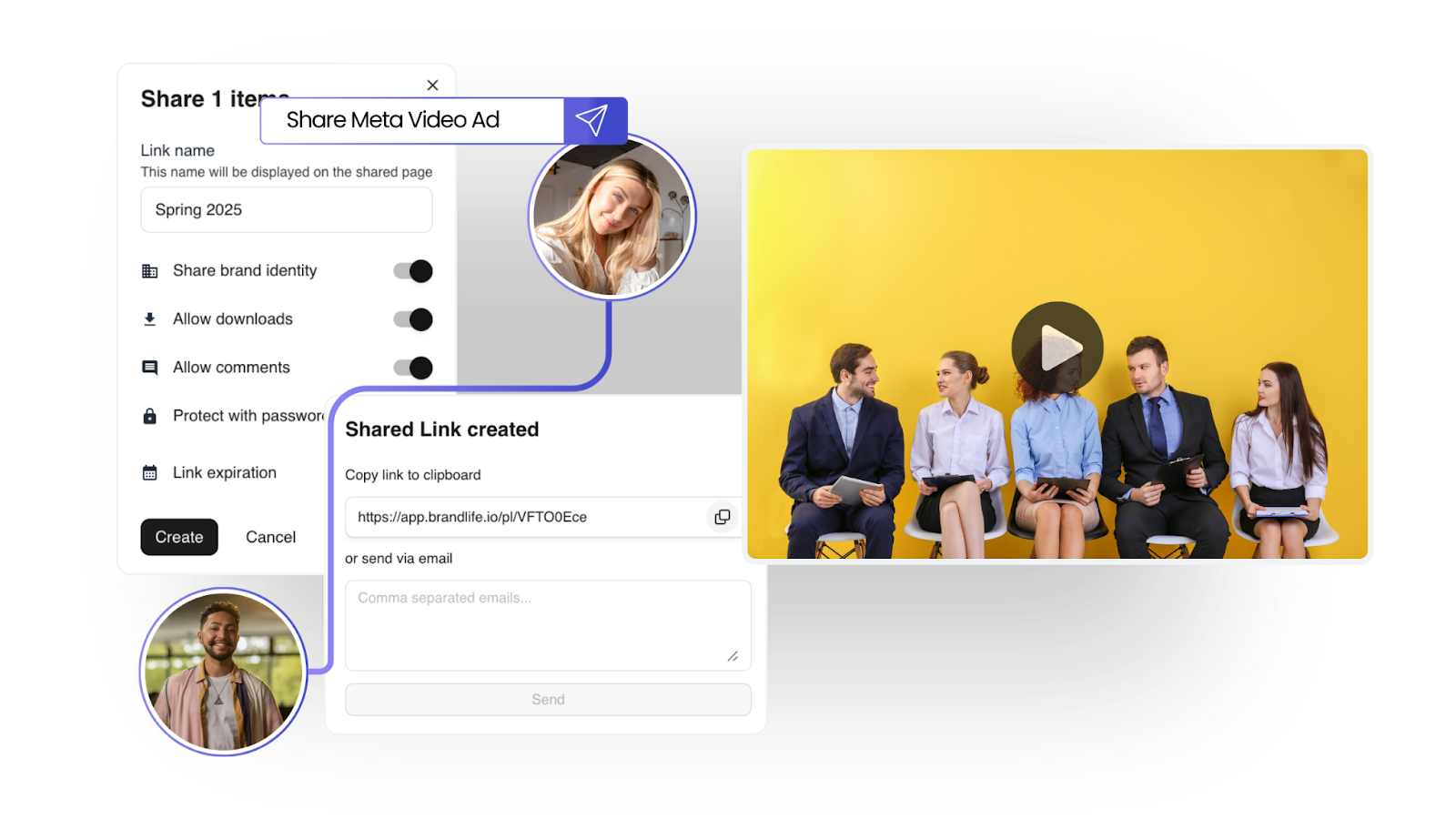
With BrandLife’s secure permissions and collaboration tools, you can ensure that external partners only have access to the correct assets and that these assets are used in alignment with your brand standards.
Managing rebranding efforts
A rebrand is more than a new logo; it often involves updating hundreds of digital and print assets. Without proper planning, coordination, and centralized management, rebranding efforts can lead to inconsistent or outdated collateral floating around.
Solution: Aligning teams with efficient collaboration tools
To maintain consistency, especially when working with third-party vendors or across regions, teams need shared access to up-to-date assets, documentation, and brand rules.
A cloud-based digital asset management software like BrandLife becomes the central hub, ensuring everyone works from the latest version and that no outdated assets slip through.
Combined with a well-communicated brand guideline and periodic audits, this setup reduces the risk of brand drift. This ensures all outputs, from social posts to print brochures, stay aligned.
A Real-World Example of Successful Brand Consistency
Innocent Drinks: Consistent across touchpoints while staying true to their values
Innocent has maintained a very clear and consistent brand voice and visual identity across its website, social media, product packaging, and sustainability messaging.
Their messaging—playful yet sincere, friendly and human—doesn’t change whether you read the back of a juice bottle, see a tweet, or visit their site. That consistency makes the brand instantly recognizable and helps build trust with consumers.
Here’s a recent Facebook post from Innocent that showcases their playful tone.
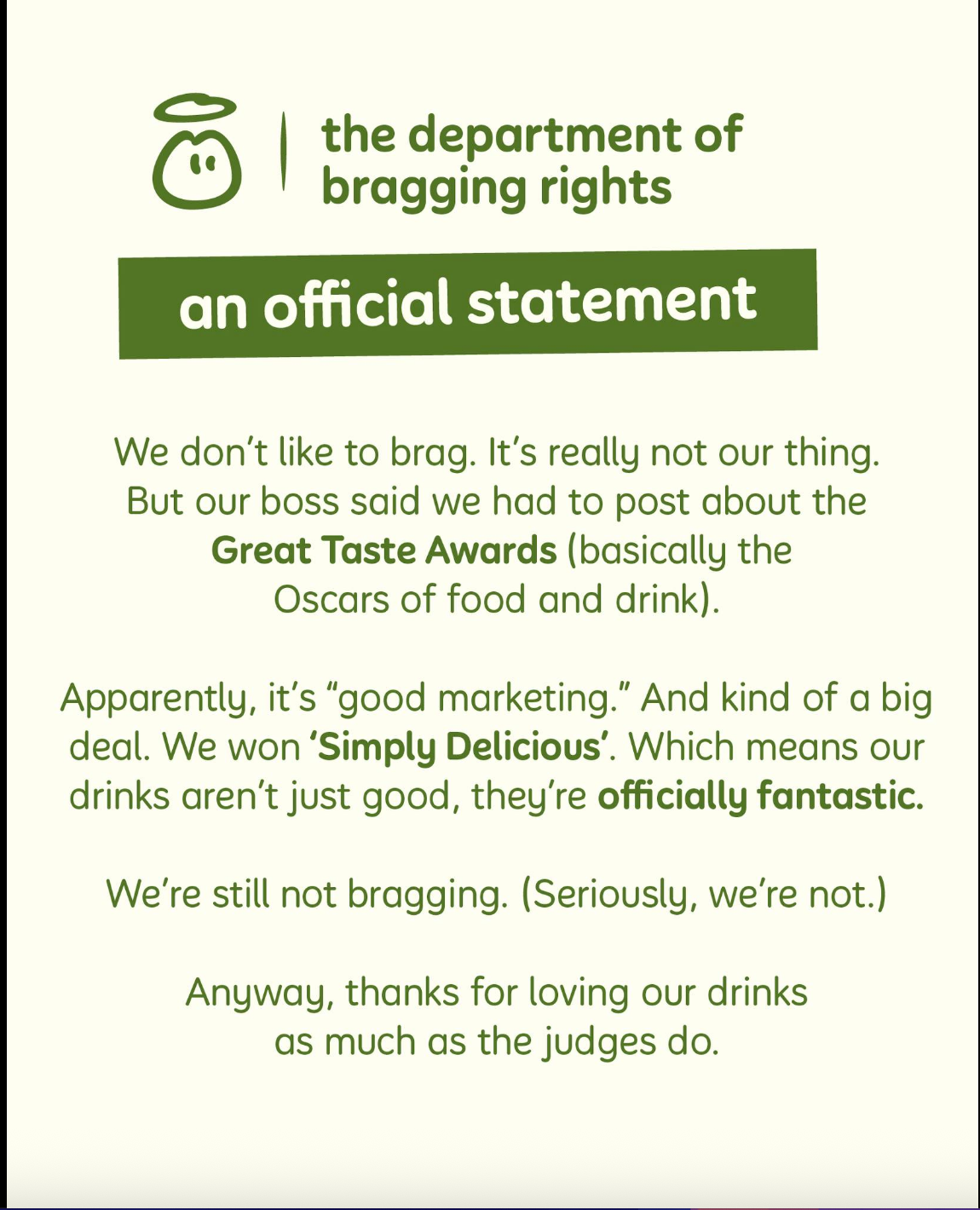
For a brand like Innocent, which markets across multiple regions and sells through many retail partners, ensuring that every asset—from packaging, social visuals to web copy, and user communications—adheres to the same identity is critical.
That’s exactly the kind of scenario where using a digital asset management platform like BrandLife would pay off: by centralizing their assets, controlling versions, and reducing brand-drift risk across contexts.
Increase Your Brand Consistency with BrandLife
Maintaining brand consistency across platforms is a strategic investment in brand recognition, trust, and long-term value. As audiences engage with brands in more places, such as social media, websites, apps, emails, and offline media, the risk of inconsistent branding grows.
BrandLife, tailored for marketing teams, creative agencies, or nonprofits, helps maintain brand consistency effortlessly across platforms.
Its core features include:
Built-in analytics
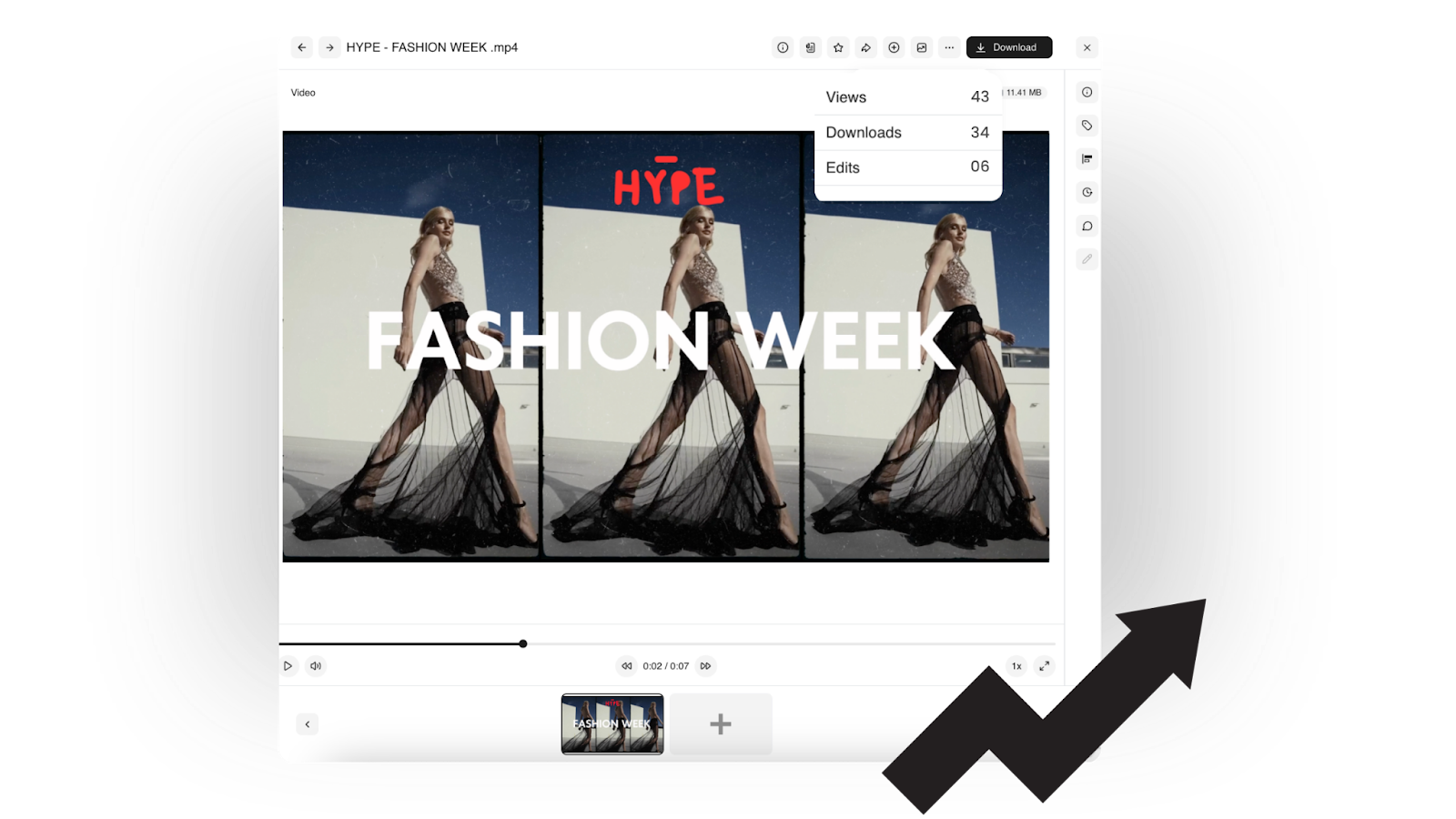
BrandLife provides real-time insights into asset performance, usage trends, and content engagement, helping marketing and creative teams make data-driven decisions.
Centralized hub
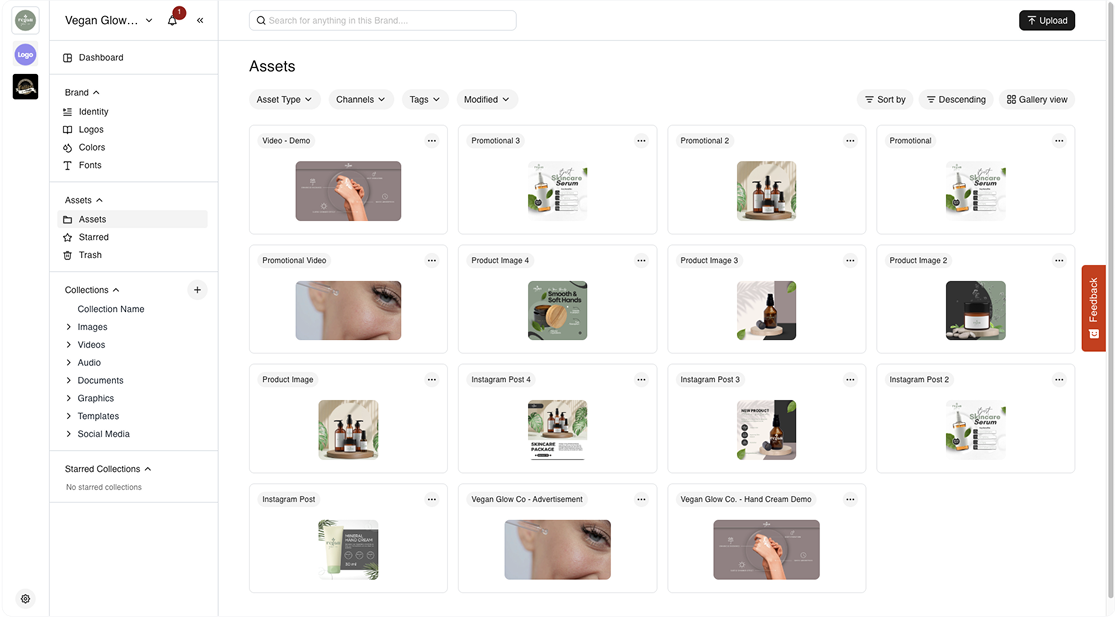
BrandLife serves as a single source of truth for all brand assets—from logos and templates to campaign files, guidelines, and approvals. By eliminating scattered storage across drives, emails, and tools, it ensures every stakeholder works with the latest, approved version.
Workflow automation

BrandLife automates repetitive processes such as asset routing, approvals, versioning, and review cycles—speeding up campaign delivery and reducing manual errors.
See how easy it can be to keep your brand consistent, recognizable, and resonant across every channel with BrandLife.Book a Demo