

Ensuring Brand Consistency: A Comprehensive Guide

How modern teams audit, manage, and maintain cohesive branding across every touchpoint.

Key Takeways

  • Brand consistency strengthens recognition, trust, and long-term loyalty by ensuring unified brands look and sound across every customer touchpoint.
  • Regular brand consistency audits help identify outdated assets, tone mismatches, and alignment gaps across distributed teams and channels.
  • Digital asset management platforms like BrandLife centralize assets, improve version control, standardize templates, and streamline collaboration.
  • Metrics such as asset accuracy rate, template usage rate, and time-to-asset retrieval help measure real improvements in brand consistency and operational efficiency.

In an age when brands touch customers across dozens of channels, such as websites, social media, email, ads, packaging, and more, consistency has become a critical differentiator. 

Without alignment in visuals, messaging, tone, and process, even small mismatches can dilute brand perception, confuse audiences, and erode trust. That’s why regular brand consistency checks are essential. 

This guide walks you through what brand consistency means, common challenges, how to audit and enforce consistency, and how a modern digital asset management (DAM) platform like BrandLife can simplify keeping your brand unified, no matter how large or distributed your team.

Understanding Brand Consistency

What is brand consistency?

Brand consistency refers to ensuring that every brand touchpoint—from a social post to packaging, emails to ads—follows the same visual identity, brand voice, and core messaging. 

It’s about delivering a cohesive, recognizable experience wherever your brand appears. Consistency helps audiences immediately recognize and trust your brand over time—a foundation for brand equity, loyalty, and long-term growth.

Why is brand consistency important?

Consistency builds familiarity, which in turn fosters trust. When customers see the same logo, colors, tone, and values across channels, it creates a stable association with your brand. 

According to a 2025 branding survey, 33% of organizations reported that brand consistency contributed at least 20% of their revenue growth. 

Moreover, consistent branding strengthens competitive advantage: in crowded markets, brands that look and sound unified stand out and remain memorable.

But consistency isn’t automatic. It needs structure, processes, and easy access to the right digital assets. This is where brand asset management platforms like BrandLife help teams stay aligned.
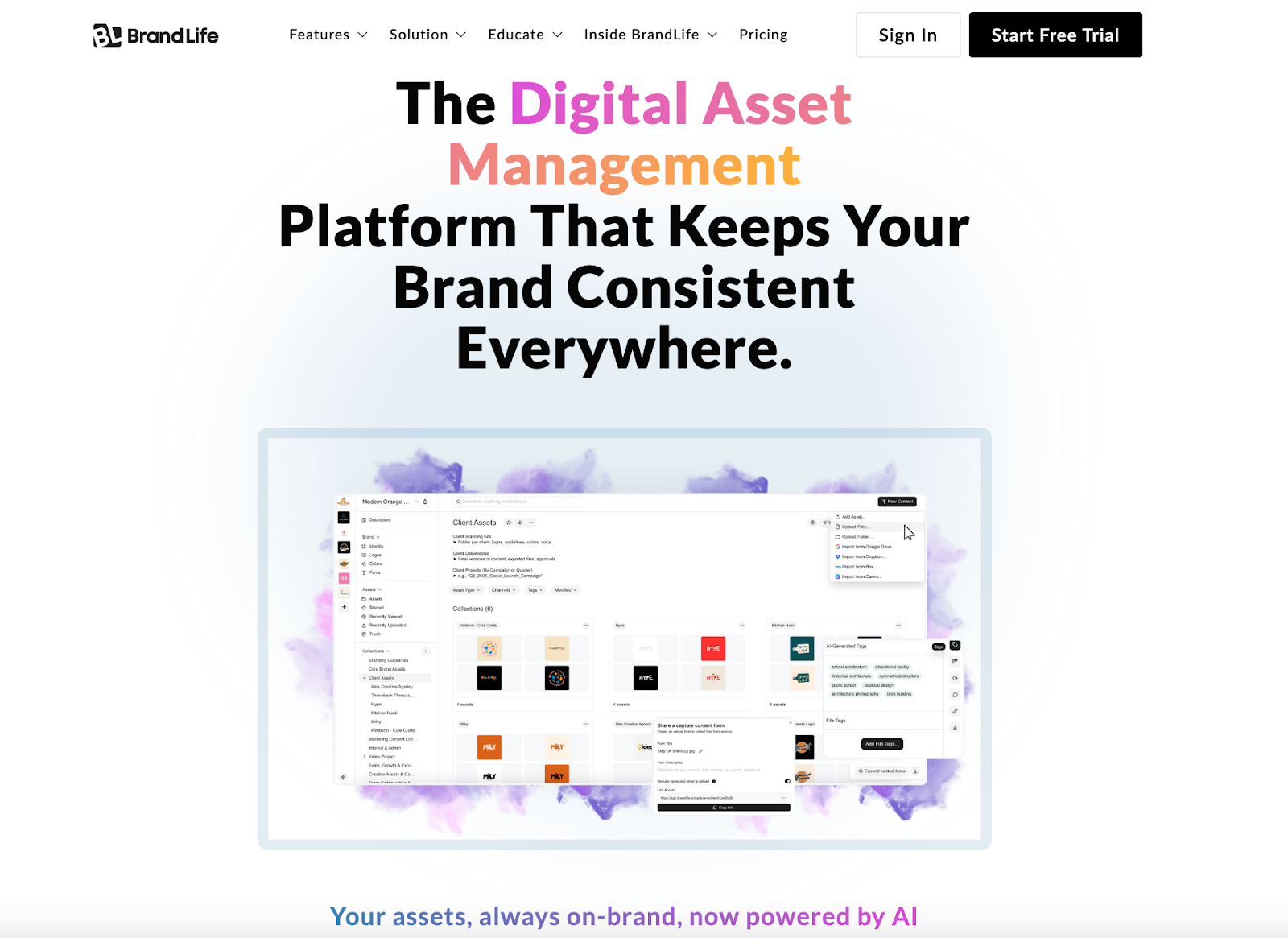
BrandLife's homepage
BrandLife’s robust digital asset management platform, powered by AI

Challenges in Maintaining Brand Consistency

Creative teams waste an average of 8.8 hours per week searching for files—time that directly impacts output and brand alignment.

Many brands struggle to maintain consistency due to:

  • Scattered assets across shared drives, cloud folders, and chat tools — leading to outdated or duplicate files.
  • Distributed teams (internal staff, freelancers, agencies) working in isolation, with no shared source of truth.
  • Rapid content demands across multiple platforms, forcing quick templated or ad-hoc creation.
  • Evolving branding over time (rebrands, new campaigns), making it hard to retire old assets and ensure everyone uses updated assets.

That’s why it’s important to implement regular brand consistency checks. A well-built brand isn’t a one-time exercise. Assets evolve, campaigns update, and teams grow. 

Without periodic checks, inconsistencies tend to accumulate over time. Materials drift, outdated versions circulate, and brand identity subtly fractures. 

Regular checks allow you to:

  • Spot outdated or misused assets
  • Refine guidelines for emerging channels
  • Assess brand tone alignment
  • Identify gaps across global teams
  • Eliminate legacy files that dilute brand equity

This creates a feedback loop where every department—from product to marketing—stays aligned.

How to Conduct Brand Consistency Checks

To keep your brand aligned across every channel and team, consistency checks need to be structured and repeatable. Here’s a practical step-by-step framework to help you audit, maintain, and continuously improve brand consistency.

Step 1: Develop and document brand guidelines

An effective guideline system serves as your brand’s source of truth. Teams should be able to access rules for typography, colors, imagery, voice, logo usage, and templates in one place.

A fully documented guideline includes:

  • Logo usage: primary/secondary logos, padding, background rules
  • Color palette: primary, secondary, functional colors
  • Typography: font families, hierarchy, spacing
  • Brand voice: tone, language patterns, examples
  • Imagery style: photography direction, iconography, graphics
  • Templates: social posts, presentations, ads, brochures
  • Mission and values: foundational messaging consistency

BrandLife integrates a built-in Brand Guideline Portal that brings all these elements together. Teams access the latest assets, colors, fonts, and messaging in one place, reducing errors caused by guesswork.
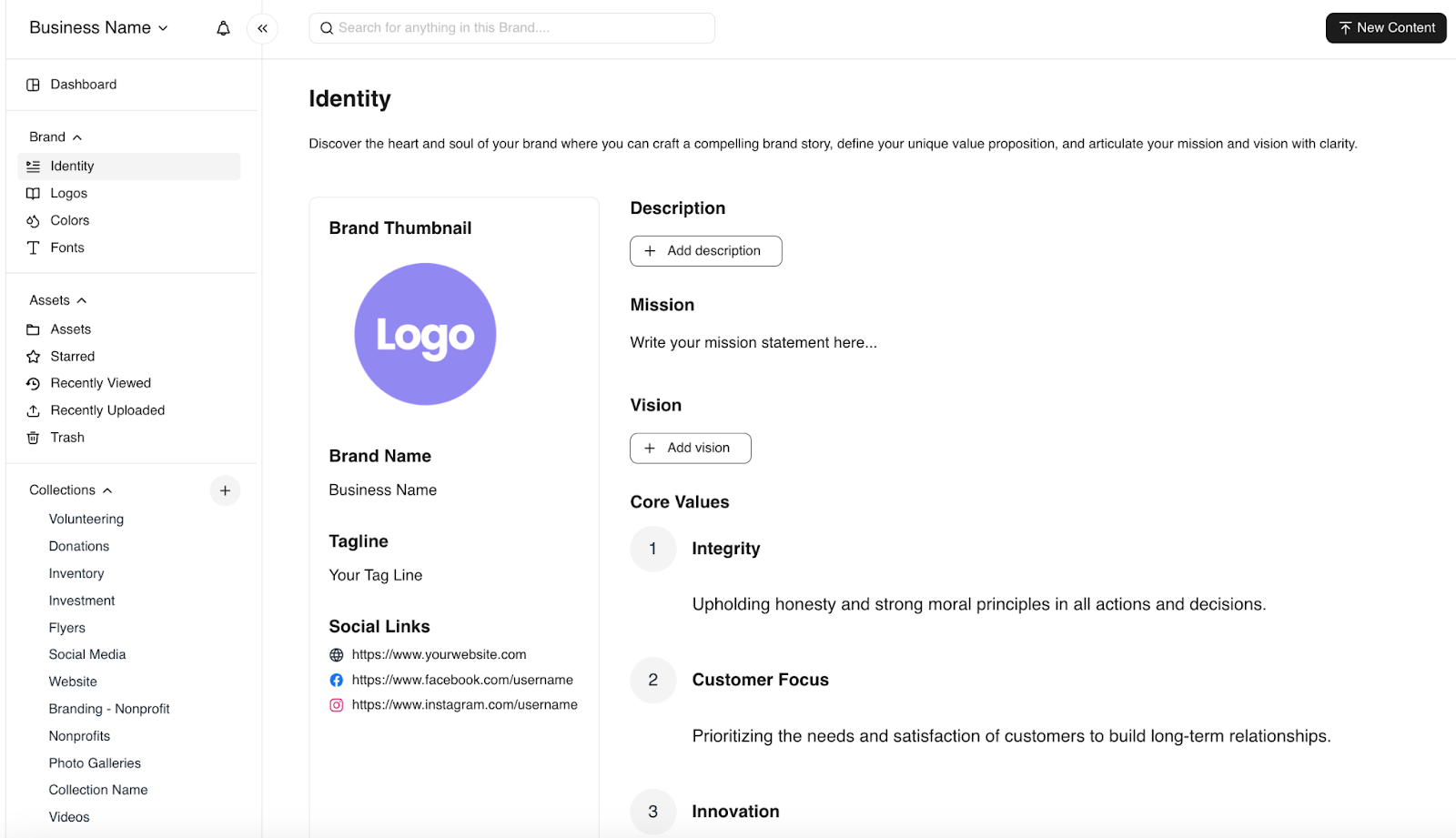
BrandLife's brand guideline portal for cosnsitency maintenance
BrandLife’s Brand Guideline portal, where you can store the brand’s core statements, including value, mission, and vision


Step 2: Implement a brand voice consistency checker

Voice inconsistencies, from email tone to campaign taglines, can dilute brand identity. A brand voice checker evaluates messaging across channels to spot mismatches.

This tool is especially helpful when:

  • Multiple writers contribute to the content
  • Agencies handle messaging
  • Product and growth teams create copy independently
  • Social and website tone diverge

Even though most teams manually perform these checks, modern digital asset management platforms enhance alignment by providing central access to approved messaging assets, boilerplates, and tone guidelines.

BrandLife supports this by allowing brand teams to store approved messaging frameworks within each brand workspace.
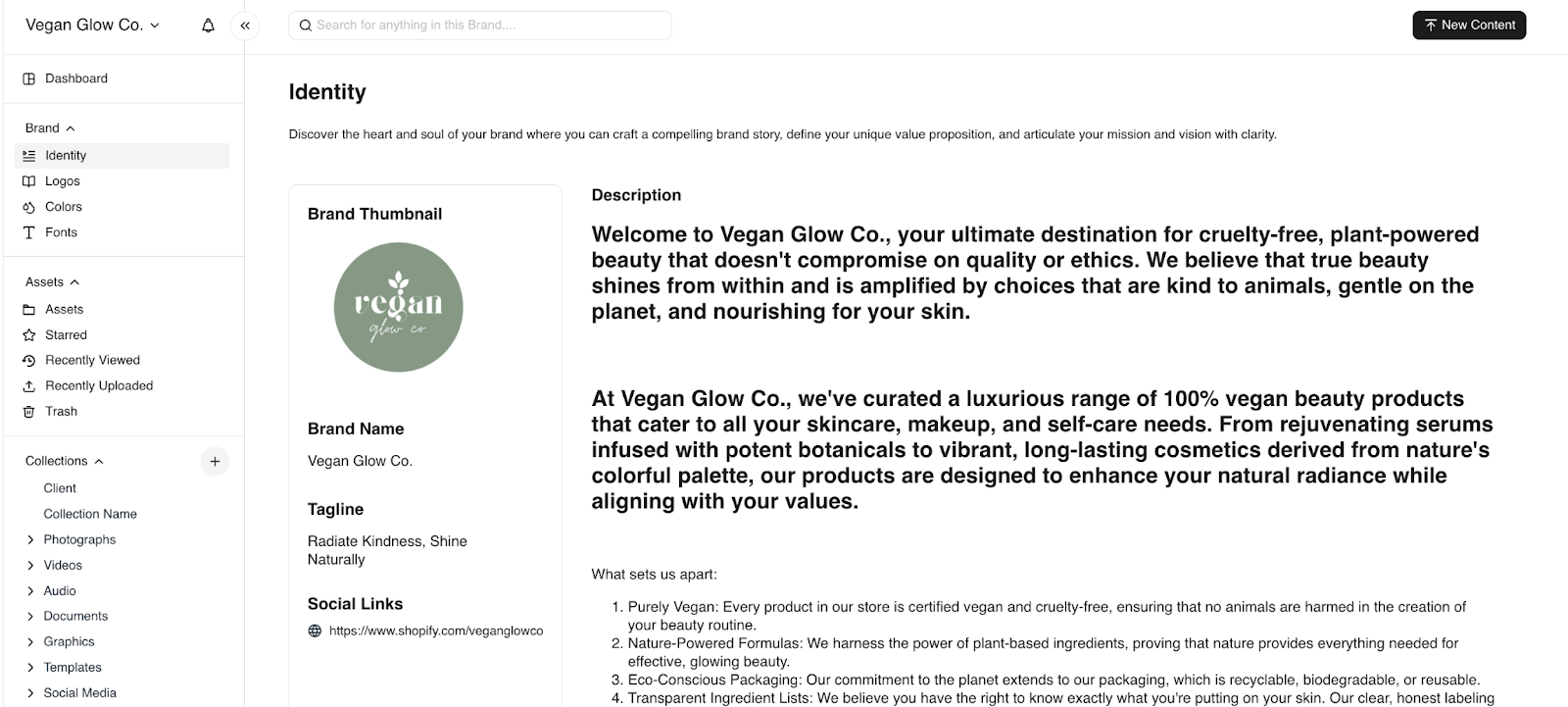
BrandLife's DAM platform for storing messaging and tone guidelines
BrandLife’s portal to store your brand messaging and tone 

Step 3: Audit your brand across channels

A comprehensive channel audit helps identify areas where branding drifts. This includes reviewing visuals, text, layouts, and the overall identity experience.

So, which channel visuals can you check for brand consistency? A complete audit should cover:

  • Website — logos, banner images, color accuracy, icon styles
  • Social media — post layouts, typography, highlight covers, branded templates
  • Email marketing — signatures, header designs, tone, CTAs
  • Advertising — display ads, paid social creatives, landing pages
  • Sales materials — decks, one-pagers, proposals, brochures
  • Product UI — button styles, in-app colors, UI components
  • Packaging — labels, print patterns, product photos
  • Internal documents — onboarding files, presentations, branding kits

A platform like BrandLife simplifies this step by keeping approved, version-controlled assets in one centralized digital asset management workspace.
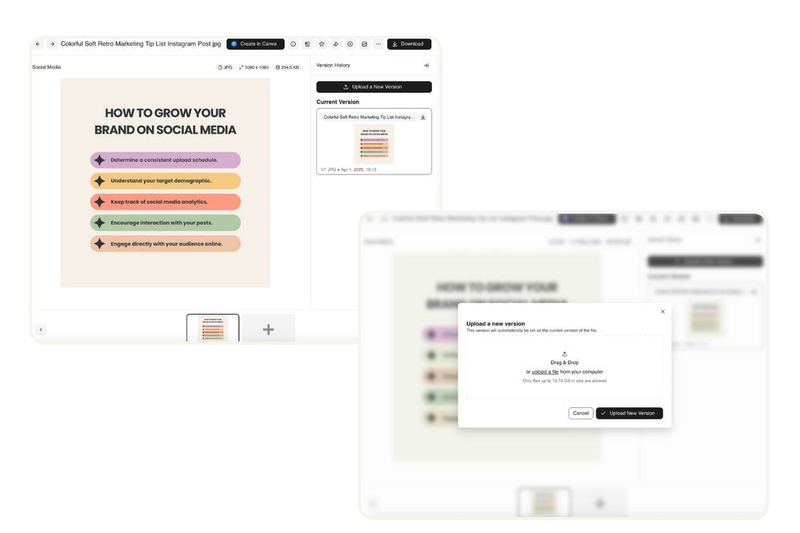
Manage your brand consistency with BrandLife's version control feature
BrandLife’s version control feature ensures consistency

Step 4: Regular brand audits and feedback collection

Audit cycles should run quarterly or biannually based on your content volume.

Here's a quick action plan to conduct a brand consistency audit during each review cycle:

☐ Analyze asset usage data

☐ Review creative outputs

☐ Interview cross-functional teams

☐ Identify inconsistencies in real examples

☐ Update guidelines or assets where required

BrandLife’s analytics dashboard helps teams understand which assets are used most, which are outdated, and where engagement or usage gaps may exist.

Tools and Metrics for Brand Consistency

To keep your brand aligned across every channel, you need both the right systems and a clear way to measure results. 

The combination of reliable tools and performance metrics ensures that brand consistency becomes a repeatable, scalable, and trackable process instead of a subjective effort.

Essential tools for brand consistency checks

A thorough brand consistency program uses a stack of tools across guidelines, asset management, communication, and analytics.

Here are categories and examples:

  • A robust digital asset management platform for central storage, versioning, permissions, and easy retrieval.
  • Template libraries and design tools with brand templates (for social, email, ads, documents).
  • Content review and approval workflows, ideally in a platform that integrates asset management, feedback, and version control.
  • Audit checklists and compliance forms for internal or external reviews.
  • Analytics and usage reporting to track asset usage, updates, and deviations.
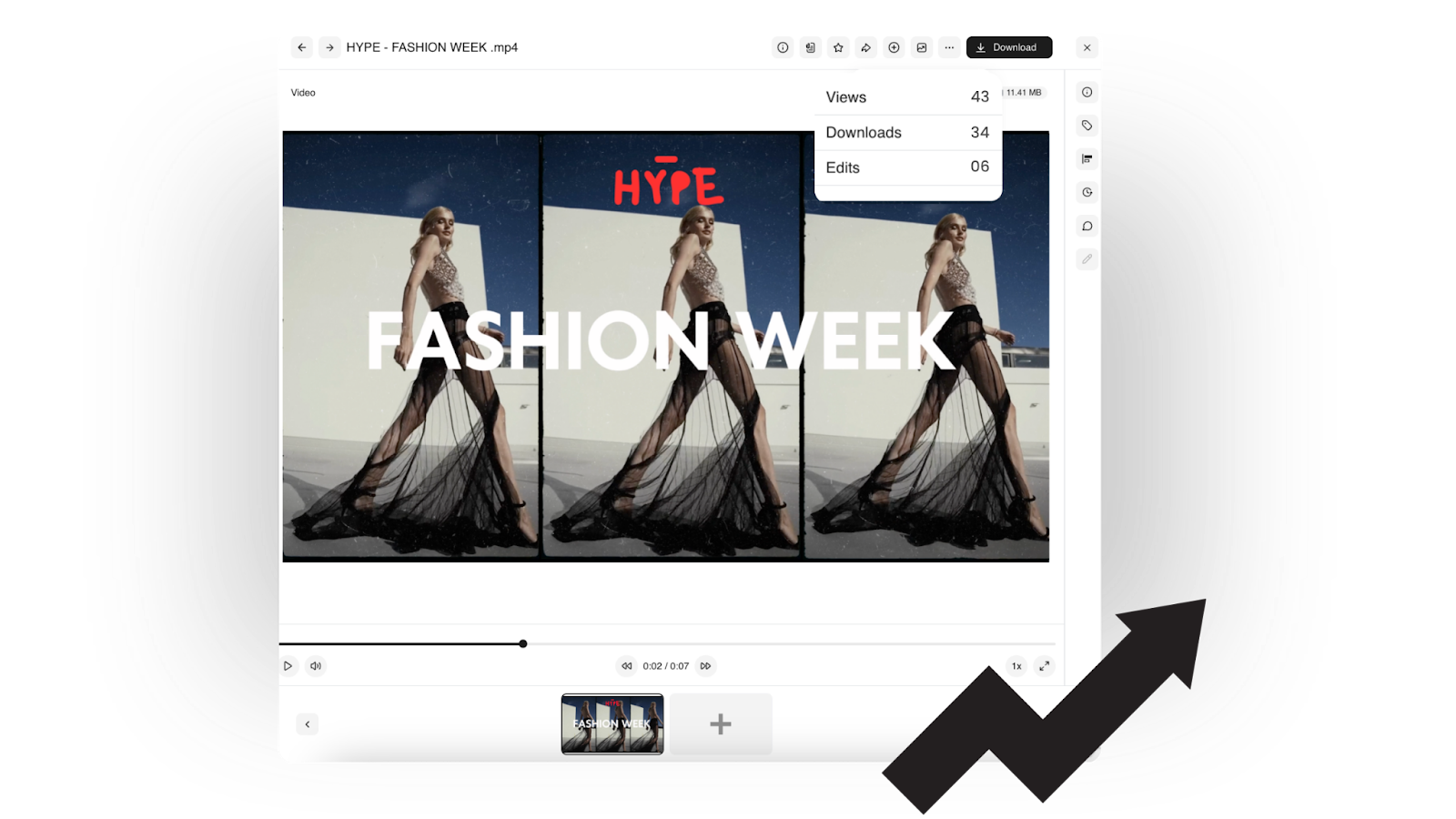
Cloud based digital asset management, BrandLife — built in analytical feature screenshot
BrandLife’s insights into asset usage and its performance

BrandLife integrates many of these functions directly, centralizing digital asset management, collaboration, guidelines, and analytics.

Brand recognition and message consistency scores

To know if consistency efforts are working, track relevant metrics such as:

  • Asset accuracy rate: Percentage of materials reviewed that fully comply with brand guidelines.
  • Template usage rate: Share of new content created with approved templates vs. ad-hoc designs.
  • Version error rate: Frequency of outdated or incorrect asset usage.
  • Channel compliance: Number of channels (web, social, email, print) aligned with brand guidelines.
  • Time to asset retrieval: How quickly teams find needed assets — a proxy for organizational efficiency.
  • Feedback/revision count: Fewer review cycles suggest clearer guidelines and better compliance.

These metrics help make brand consistency a trackable outcome rather than a vague ideal.

Best Practices for Maintaining Brand Consistency

Here are practical best practices to ensure every brand interaction stays aligned — no matter how fast your team or content needs grow.

Establish brand governance structure

Governance ensures the right people maintain oversight. A successful structure includes:

  • Brand managers as final approvers
  • Designers as curators of visual identity
  • Marketing teams as everyday users
  • Documented workflows for asset approval
  • Clear access levels and permissions

BrandLife supports permission-based sharing and role-specific access to keep governance clean.

BrandLife's approval workflow feature for enhancing productivity
BrandLife’s contextual commenting and approval workflow ensures brand governance

Provide comprehensive brand training

Brand consistency is only possible when teams know how to apply guidelines correctly. Training should include:

  • Introduction to brand identity
  • How to access assets
  • Correct usage of templates
  • Do/don’t examples
  • Real case studies of consistency failures

New hires and agencies benefit from onboarding that includes access to the BrandLife guidelines portal and digital asset management workspace.

Leverage digital asset management platforms

Digital asset management platforms reduce the chaos of scattered files and help teams stay aligned. BrandLife’s digital asset management environment gives marketing and creative teams a single, easy-to-use, beautifully simple platform to:

  • Centralize all brand assets
  • Maintain version history
  • Eliminate outdated or duplicate files
  • Automate tagging using AI
  • Enforce brand guidelines
  • Improve speed and coordination
  • Share collections securely
  • Support agency collaboration

Besides, brands have reported a 30% reduction in brand inconsistencies and a 50% faster asset retrieval rate after adopting BrandLife. 

Utilizing BrandLife for Seamless Brand Management

​​When a brand shows up consistently, it becomes familiar and reliable—two traits customers subconsciously value. That familiarity translates into trust, higher recall, loyalty, and better conversion over time.

BrandLife helps you with strategic brand management by combining powerful digital asset management features into a single platform. Marketing teams, agencies, and creative teams use it to simplify brand audits, standardize visual identity, and accelerate campaign delivery. 

Here are some of its core features: 

AI searchability and tagging
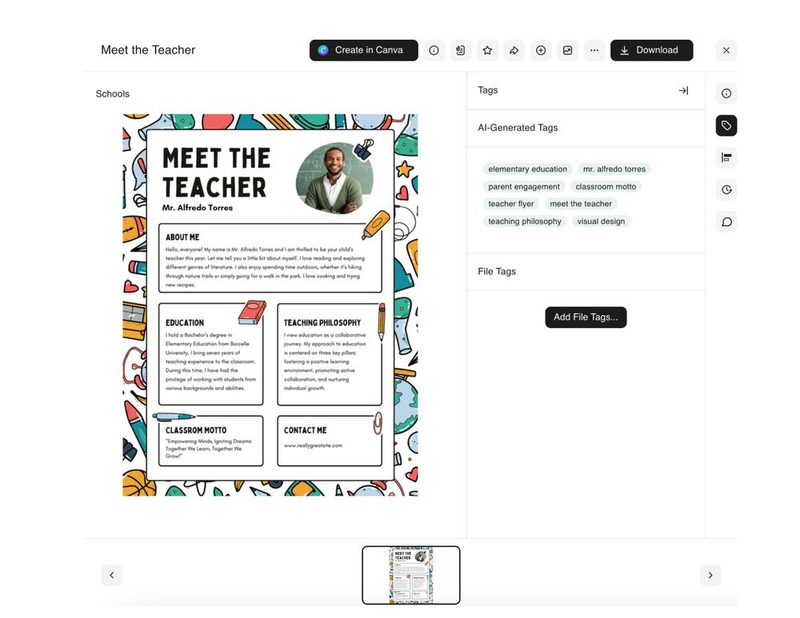
BrandLife's cloud DAM feature – AI tagging and smart search
BrandLife automatically assigns relevant tags to streamline asset organization

BrandLife uses AI-powered auto-tagging to instantly categorize images, videos, templates, and documents, making assets searchable within seconds. Teams can find exactly what they need by keyword, campaign name, or visual attributes, eliminating wasted time digging through folders.

Capture content portal
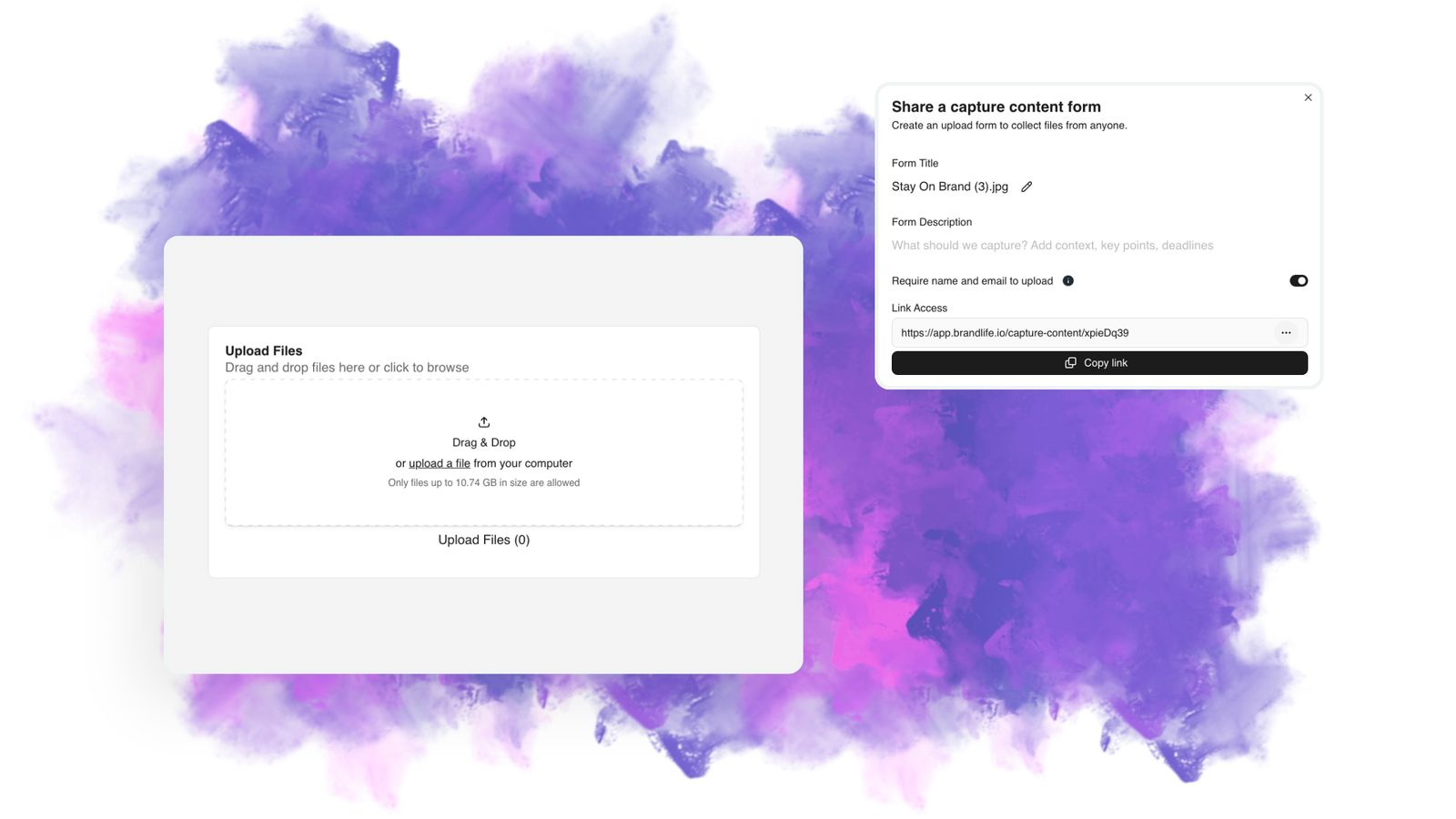
BrandLife's Capture content portal
Contributors upload directly into BrandLife with a built-in capture content portal

BrandLife’s Capture Content Portal lets teams collect photos, videos, and creative submissions from field teams, event partners, or influencers in one centralized space. No more scattered WhatsApp or email uploads, contributors upload directly into BrandLife with built-in approvals and tagging.

Enhanced communication
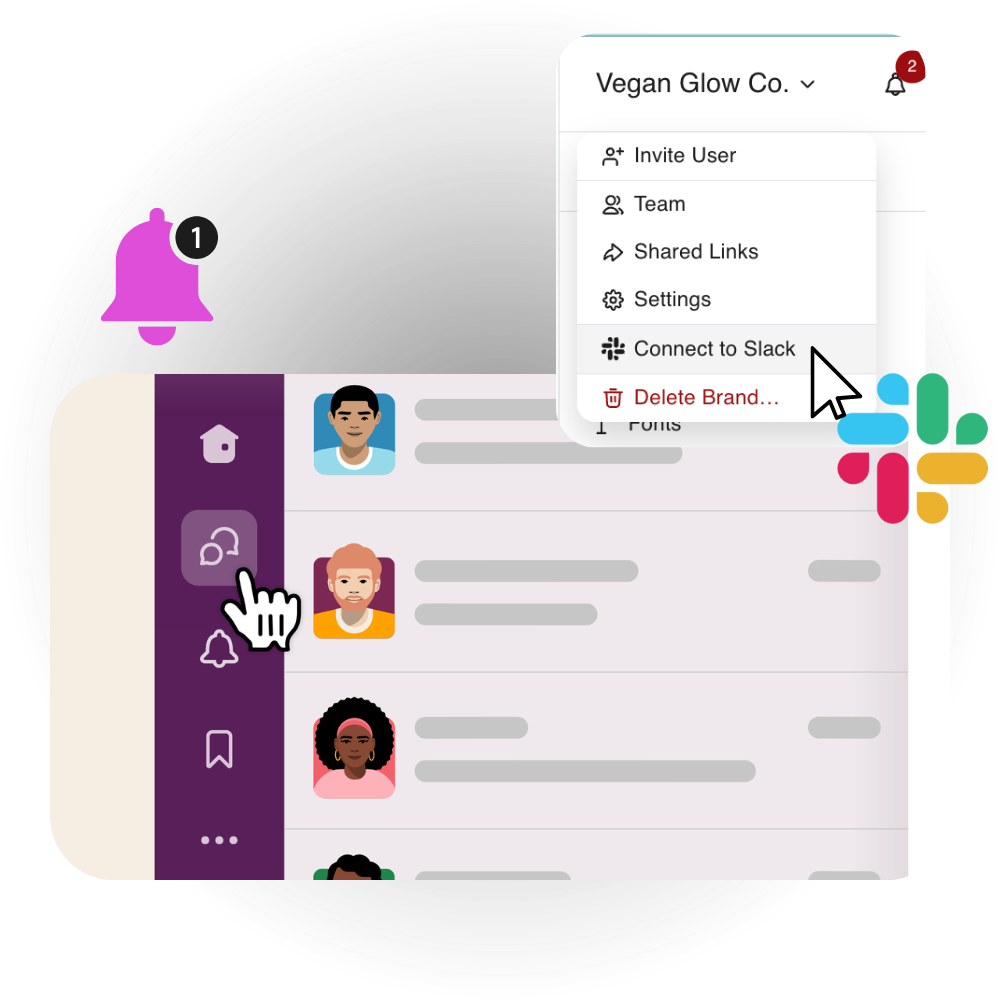
Brandlife screenshot of how it integrates with Slack for team communication
BrandLife connects with Slack to streamline real-time updates and prompt messaging within the workspace

BrandLife centralizes feedback and review cycles so teams never lose context in long email threads or chat messages. Real-time collaboration and organized comment histories keep creative decisions transparent, faster, and easier to execute across teams.

Ready to reduce inconsistencies, move faster, and keep every asset on-brand? Explore BrandLife with a free 14-day trial and see how digital asset management simplifies brand governance and consistency.

Frequently Asked Questions

What are the key benefits of maintaining brand consistency?

Brand consistency strengthens recognition, builds trust, and improves customer loyalty by creating a unified experience across every touchpoint. Consistent brands are easier to remember and are more likely to influence purchasing decisions and long-term brand preference.

How can I implement brand consistency checks effectively?

Begin by documenting clear brand guidelines, centralizing all approved assets, and setting up regular consistency audits across channels. Use checklists, approval workflows, and team training to ensure everyone aligns with the same standards and messaging.

What tools are essential for conducting brand audits?

A digital asset management platform, collaboration and review tools, and analytics dashboards are essential for successful audits. A platform like BrandLife brings everything together by centralizing assets, tracking brand usage, and analyzing performance to ensure consistency across channels.

Related

See more
The Ultimate Guide to Maintaining Brand Consistency Across Platforms

The Ultimate Guide to Maintaining Brand Consistency Across Platforms

Ensuring Brand Consistency: A Comprehensive Guide

Ensuring Brand Consistency: A Comprehensive Guide

The Ultimate Guide to Brand Consistency with BrandLife

The Ultimate Guide to Brand Consistency with BrandLife

Ready to make your brand unstoppable?

Try it free or request a quote. Let’s build your brand’s next.

Ensuring Brand Consistency: A Comprehensive Guide

How modern teams audit, manage, and maintain cohesive branding across every touchpoint.
Start Free TrialDownload Free PDF
Ensuring Brand Consistency: A Comprehensive Guide

Key Takeways

  • Brand consistency strengthens recognition, trust, and long-term loyalty by ensuring unified brands look and sound across every customer touchpoint.
  • Regular brand consistency audits help identify outdated assets, tone mismatches, and alignment gaps across distributed teams and channels.
  • Digital asset management platforms like BrandLife centralize assets, improve version control, standardize templates, and streamline collaboration.
  • Metrics such as asset accuracy rate, template usage rate, and time-to-asset retrieval help measure real improvements in brand consistency and operational efficiency.

In an age when brands touch customers across dozens of channels, such as websites, social media, email, ads, packaging, and more, consistency has become a critical differentiator. 

Without alignment in visuals, messaging, tone, and process, even small mismatches can dilute brand perception, confuse audiences, and erode trust. That’s why regular brand consistency checks are essential. 

This guide walks you through what brand consistency means, common challenges, how to audit and enforce consistency, and how a modern digital asset management (DAM) platform like BrandLife can simplify keeping your brand unified, no matter how large or distributed your team.

Understanding Brand Consistency

What is brand consistency?

Brand consistency refers to ensuring that every brand touchpoint—from a social post to packaging, emails to ads—follows the same visual identity, brand voice, and core messaging. 

It’s about delivering a cohesive, recognizable experience wherever your brand appears. Consistency helps audiences immediately recognize and trust your brand over time—a foundation for brand equity, loyalty, and long-term growth.

Why is brand consistency important?

Consistency builds familiarity, which in turn fosters trust. When customers see the same logo, colors, tone, and values across channels, it creates a stable association with your brand. 

According to a 2025 branding survey, 33% of organizations reported that brand consistency contributed at least 20% of their revenue growth. 

Moreover, consistent branding strengthens competitive advantage: in crowded markets, brands that look and sound unified stand out and remain memorable.

But consistency isn’t automatic. It needs structure, processes, and easy access to the right digital assets. This is where brand asset management platforms like BrandLife help teams stay aligned.

BrandLife's homepage
BrandLife’s robust digital asset management platform, powered by AI

Challenges in Maintaining Brand Consistency

Creative teams waste an average of 8.8 hours per week searching for files—time that directly impacts output and brand alignment.

Many brands struggle to maintain consistency due to:

  • Scattered assets across shared drives, cloud folders, and chat tools — leading to outdated or duplicate files.
  • Distributed teams (internal staff, freelancers, agencies) working in isolation, with no shared source of truth.
  • Rapid content demands across multiple platforms, forcing quick templated or ad-hoc creation.
  • Evolving branding over time (rebrands, new campaigns), making it hard to retire old assets and ensure everyone uses updated assets.

That’s why it’s important to implement regular brand consistency checks. A well-built brand isn’t a one-time exercise. Assets evolve, campaigns update, and teams grow. 

Without periodic checks, inconsistencies tend to accumulate over time. Materials drift, outdated versions circulate, and brand identity subtly fractures. 

Regular checks allow you to:

  • Spot outdated or misused assets
  • Refine guidelines for emerging channels
  • Assess brand tone alignment
  • Identify gaps across global teams
  • Eliminate legacy files that dilute brand equity

This creates a feedback loop where every department—from product to marketing—stays aligned.

How to Conduct Brand Consistency Checks

To keep your brand aligned across every channel and team, consistency checks need to be structured and repeatable. Here’s a practical step-by-step framework to help you audit, maintain, and continuously improve brand consistency.

Step 1: Develop and document brand guidelines

An effective guideline system serves as your brand’s source of truth. Teams should be able to access rules for typography, colors, imagery, voice, logo usage, and templates in one place.

A fully documented guideline includes:

  • Logo usage: primary/secondary logos, padding, background rules
  • Color palette: primary, secondary, functional colors
  • Typography: font families, hierarchy, spacing
  • Brand voice: tone, language patterns, examples
  • Imagery style: photography direction, iconography, graphics
  • Templates: social posts, presentations, ads, brochures
  • Mission and values: foundational messaging consistency

BrandLife integrates a built-in Brand Guideline Portal that brings all these elements together. Teams access the latest assets, colors, fonts, and messaging in one place, reducing errors caused by guesswork.

BrandLife's brand guideline portal for cosnsitency maintenance
BrandLife’s Brand Guideline portal, where you can store the brand’s core statements, including value, mission, and vision


Step 2: Implement a brand voice consistency checker

Voice inconsistencies, from email tone to campaign taglines, can dilute brand identity. A brand voice checker evaluates messaging across channels to spot mismatches.

This tool is especially helpful when:

  • Multiple writers contribute to the content
  • Agencies handle messaging
  • Product and growth teams create copy independently
  • Social and website tone diverge

Even though most teams manually perform these checks, modern digital asset management platforms enhance alignment by providing central access to approved messaging assets, boilerplates, and tone guidelines.

BrandLife supports this by allowing brand teams to store approved messaging frameworks within each brand workspace.

BrandLife's DAM platform for storing messaging and tone guidelines
BrandLife’s portal to store your brand messaging and tone 

Step 3: Audit your brand across channels

A comprehensive channel audit helps identify areas where branding drifts. This includes reviewing visuals, text, layouts, and the overall identity experience.

So, which channel visuals can you check for brand consistency? A complete audit should cover:

  • Website — logos, banner images, color accuracy, icon styles
  • Social media — post layouts, typography, highlight covers, branded templates
  • Email marketing — signatures, header designs, tone, CTAs
  • Advertising — display ads, paid social creatives, landing pages
  • Sales materials — decks, one-pagers, proposals, brochures
  • Product UI — button styles, in-app colors, UI components
  • Packaging — labels, print patterns, product photos
  • Internal documents — onboarding files, presentations, branding kits

A platform like BrandLife simplifies this step by keeping approved, version-controlled assets in one centralized digital asset management workspace.

Manage your brand consistency with BrandLife's version control feature
BrandLife’s version control feature ensures consistency

Step 4: Regular brand audits and feedback collection

Audit cycles should run quarterly or biannually based on your content volume.

Here's a quick action plan to conduct a brand consistency audit during each review cycle:

☐ Analyze asset usage data

☐ Review creative outputs

☐ Interview cross-functional teams

☐ Identify inconsistencies in real examples

☐ Update guidelines or assets where required

BrandLife’s analytics dashboard helps teams understand which assets are used most, which are outdated, and where engagement or usage gaps may exist.

Tools and Metrics for Brand Consistency

To keep your brand aligned across every channel, you need both the right systems and a clear way to measure results. 

The combination of reliable tools and performance metrics ensures that brand consistency becomes a repeatable, scalable, and trackable process instead of a subjective effort.

Essential tools for brand consistency checks

A thorough brand consistency program uses a stack of tools across guidelines, asset management, communication, and analytics.

Here are categories and examples:

  • A robust digital asset management platform for central storage, versioning, permissions, and easy retrieval.
  • Template libraries and design tools with brand templates (for social, email, ads, documents).
  • Content review and approval workflows, ideally in a platform that integrates asset management, feedback, and version control.
  • Audit checklists and compliance forms for internal or external reviews.
  • Analytics and usage reporting to track asset usage, updates, and deviations.
Cloud based digital asset management, BrandLife — built in analytical feature screenshot
BrandLife’s insights into asset usage and its performance

BrandLife integrates many of these functions directly, centralizing digital asset management, collaboration, guidelines, and analytics.

Brand recognition and message consistency scores

To know if consistency efforts are working, track relevant metrics such as:

  • Asset accuracy rate: Percentage of materials reviewed that fully comply with brand guidelines.
  • Template usage rate: Share of new content created with approved templates vs. ad-hoc designs.
  • Version error rate: Frequency of outdated or incorrect asset usage.
  • Channel compliance: Number of channels (web, social, email, print) aligned with brand guidelines.
  • Time to asset retrieval: How quickly teams find needed assets — a proxy for organizational efficiency.
  • Feedback/revision count: Fewer review cycles suggest clearer guidelines and better compliance.

These metrics help make brand consistency a trackable outcome rather than a vague ideal.

Best Practices for Maintaining Brand Consistency

Here are practical best practices to ensure every brand interaction stays aligned — no matter how fast your team or content needs grow.

Establish brand governance structure

Governance ensures the right people maintain oversight. A successful structure includes:

  • Brand managers as final approvers
  • Designers as curators of visual identity
  • Marketing teams as everyday users
  • Documented workflows for asset approval
  • Clear access levels and permissions

BrandLife supports permission-based sharing and role-specific access to keep governance clean.

BrandLife's approval workflow feature for enhancing productivity
BrandLife’s contextual commenting and approval workflow ensures brand governance

Provide comprehensive brand training

Brand consistency is only possible when teams know how to apply guidelines correctly. Training should include:

  • Introduction to brand identity
  • How to access assets
  • Correct usage of templates
  • Do/don’t examples
  • Real case studies of consistency failures

New hires and agencies benefit from onboarding that includes access to the BrandLife guidelines portal and digital asset management workspace.

Leverage digital asset management platforms

Digital asset management platforms reduce the chaos of scattered files and help teams stay aligned. BrandLife’s digital asset management environment gives marketing and creative teams a single, easy-to-use, beautifully simple platform to:

  • Centralize all brand assets
  • Maintain version history
  • Eliminate outdated or duplicate files
  • Automate tagging using AI
  • Enforce brand guidelines
  • Improve speed and coordination
  • Share collections securely
  • Support agency collaboration

Besides, brands have reported a 30% reduction in brand inconsistencies and a 50% faster asset retrieval rate after adopting BrandLife. 

Utilizing BrandLife for Seamless Brand Management

​​When a brand shows up consistently, it becomes familiar and reliable—two traits customers subconsciously value. That familiarity translates into trust, higher recall, loyalty, and better conversion over time.

BrandLife helps you with strategic brand management by combining powerful digital asset management features into a single platform. Marketing teams, agencies, and creative teams use it to simplify brand audits, standardize visual identity, and accelerate campaign delivery. 

Here are some of its core features: 

AI searchability and tagging

BrandLife's cloud DAM feature – AI tagging and smart search
BrandLife automatically assigns relevant tags to streamline asset organization

BrandLife uses AI-powered auto-tagging to instantly categorize images, videos, templates, and documents, making assets searchable within seconds. Teams can find exactly what they need by keyword, campaign name, or visual attributes, eliminating wasted time digging through folders.

Capture content portal

BrandLife's Capture content portal
Contributors upload directly into BrandLife with a built-in capture content portal

BrandLife’s Capture Content Portal lets teams collect photos, videos, and creative submissions from field teams, event partners, or influencers in one centralized space. No more scattered WhatsApp or email uploads, contributors upload directly into BrandLife with built-in approvals and tagging.

Enhanced communication

Brandlife screenshot of how it integrates with Slack for team communication
BrandLife connects with Slack to streamline real-time updates and prompt messaging within the workspace

BrandLife centralizes feedback and review cycles so teams never lose context in long email threads or chat messages. Real-time collaboration and organized comment histories keep creative decisions transparent, faster, and easier to execute across teams.

Ready to reduce inconsistencies, move faster, and keep every asset on-brand? Explore BrandLife with a free 14-day trial and see how digital asset management simplifies brand governance and consistency.

Frequently Asked Questions

What are the key benefits of maintaining brand consistency?

Brand consistency strengthens recognition, builds trust, and improves customer loyalty by creating a unified experience across every touchpoint. Consistent brands are easier to remember and are more likely to influence purchasing decisions and long-term brand preference.

How can I implement brand consistency checks effectively?

Begin by documenting clear brand guidelines, centralizing all approved assets, and setting up regular consistency audits across channels. Use checklists, approval workflows, and team training to ensure everyone aligns with the same standards and messaging.

What tools are essential for conducting brand audits?

A digital asset management platform, collaboration and review tools, and analytics dashboards are essential for successful audits. A platform like BrandLife brings everything together by centralizing assets, tracking brand usage, and analyzing performance to ensure consistency across channels.

Professional Branding Start Here

Everything you need to launch and maintain a consistent brand.

Try Free TrialLearn More

Related Resources

The Ultimate Guide to Maintaining Brand Consistency Across Platforms

The Ultimate Guide to Maintaining Brand Consistency Across Platforms

Ensuring Brand Consistency: A Comprehensive Guide

Ensuring Brand Consistency: A Comprehensive Guide

Transform the way you

manage your assets

8.8 hours/ week are wasted just looking for files and content