

Key Takeaways
- Brand consistency challenges come from scattered assets, siloed teams, unclear guidelines, and rapid multi-channel content demands.
- Modern brands must adapt to new pressures, including AI-generated content, which makes voice governance and version control more important than ever.
- Digital asset management platforms like BrandLife provide centralization, governance, collaboration, and analytics to keep brands aligned at scale.
- Measuring brand consistency requires a mix of quantitative and qualitative methods—from accuracy rates and version control to brand surveys and template usage reports.
Maintaining brand consistency has become much harder than it used to be. Teams work across multiple tools. Content is published on dozens of channels. Freelancers jump in and out of projects. And without a single source of truth, even the strongest brands start to drift.
This guide breaks down why brand consistency challenges occur, what they mean for your brand’s perception, and the strategies high-performing teams use to stay aligned.
You’ll also see how creative teams use BrandLife to reduce asset chaos, strengthen governance, and bring their brand identity together in one place.
Understanding Brand Consistency Challenges
What are brand consistency challenges?
Brand consistency challenges arise when teams struggle to maintain the same visual identity, tone, and messaging across assets, channels, and workflows. This typically happens when:
- Assets are scattered across drives, shared links, and chat threads
- Different versions of the same file are used
- Brand guidelines exist but aren't accessible
- Remote and cross-functional teams operate in silos
- Creative assets grow faster than anyone can manage them
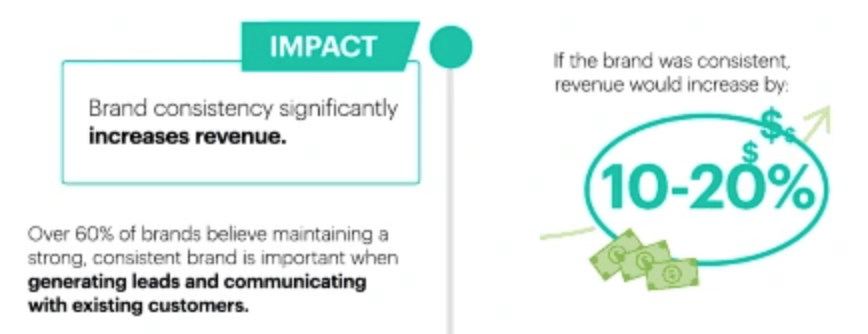
According to Lucidpress’s 2021 Brand Consistency Report, brands that maintain a consistent presentation experience an average 10 to 20% revenue increase.
Why do these challenges matter?
Even small inconsistencies create friction for customers. When fonts, colors, imagery, or tone shift from one touchpoint to the next, audiences lose the sense of familiarity that drives trust and recognition.
The impact shows up in three major ways:
- Brand perception: Inconsistent styling signals a lack of clarity, cohesion, and professionalism.
- Customer trust: People trust brands that show up the same way every time—reliable, recognizable, and easy to understand.
- Team efficiency: Teams waste hours searching for assets, clarifying guidelines, or recreating files that should already exist.
These challenges directly weaken marketing performance, productivity, and the overall customer experience - making effective online brand management critical for any team publishing content across digital channels.
However, these challenges are fully solvable. A modern digital asset management platform eliminates guesswork and unifies brand execution.
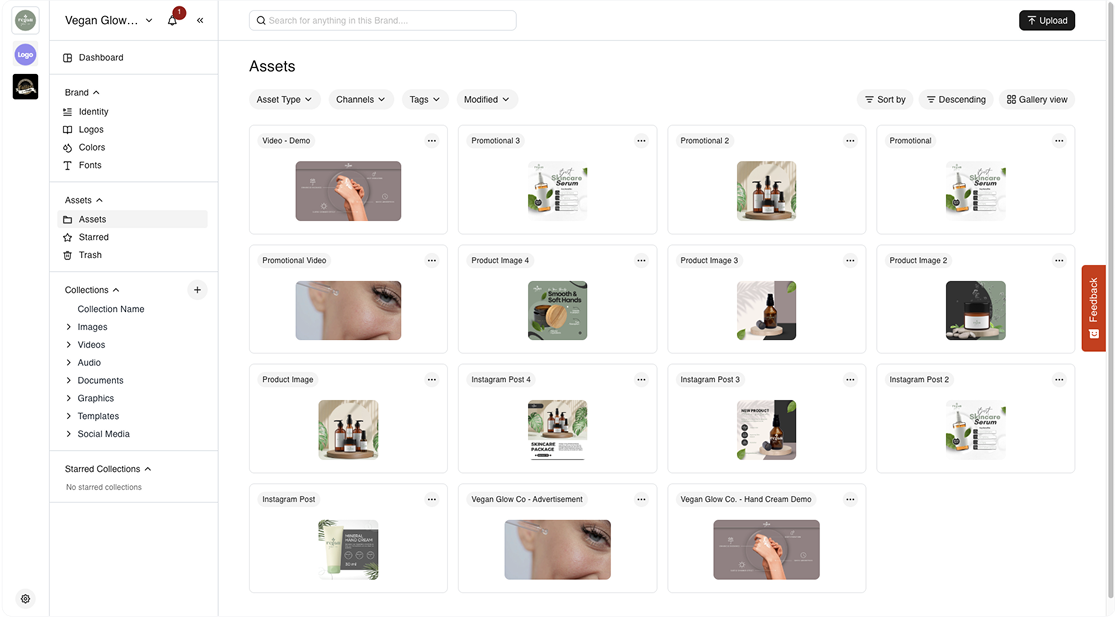
BrandLife’s brand asset management system is designed for marketing teams, creative agencies, nonprofits, e-commerce companies, and multi-brand organizations that want to deliver consistent, cohesive, and reliable brand experiences across every touchpoint.
Common Brand Consistency Management Challenges
Before teams can deliver a cohesive brand experience, they must overcome several day-to-day challenges that quietly erode consistency.
Misalignment across teams
Misalignment usually begins with fragmented workflows. Designers store working files in one place, marketing stores campaign assets in another, social teams maintain their own cloud folders, and freelancers upload assets wherever convenient.
This results in:
- Outdated logos and creative used in live campaigns
- Repeated asset requests
- Missing version history
- Slow approvals
Each group may interpret brand guidelines differently or create assets without visibility into what others have produced.
This leads to inconsistent materials, duplicated work, and campaigns that feel disconnected.
Inconsistent brand voice
Visual consistency is one part of the equation, but maintaining a unified voice across written content is equally important.
Teams often struggle with this because:
- Writers interpret guidelines differently
- Internal teams and freelancers use different tone references
- Messaging isn’t centrally documented
- AI tools generate mixed styles without training data
Without a shared reference point, messaging quality becomes unpredictable.
Difficulty adapting to new platforms

Brands today must execute flawlessly across: Instagram, LinkedIn, TikTok, YouTube, X, email, blogs, paid ads, marketplaces, chatbots, SMS, and whatever emerges next.
Each platform prefers a different tone, asset size, and content rhythm. Without a structured system, teams often rush to adapt branding for new channels, causing inconsistencies in color contrast, typography, or message framing.
AI brand voice consistency challenges
AI has transformed content production, making it faster but also riskier. Without strict guardrails, AI-generated messages can drift from your established brand personality, tone, and emotional cues.
These are the most common AI brand voice consistency challenges:
- Hallucinated claims that violate brand integrity
- Tone drifting across content generated by different AI tools
- Lack of centralized brand voice prompts or templates
- Teams generating content independently without oversight
With industry experts predicting that AI will generate up to 90% of marketing content by 2026, brands need a strong system to maintain voice alignment across both human and AI writers.
Strategies to Overcome Brand Consistency Challenges
Maintaining a unified brand presence gets easier when teams adopt the right systems and habits. The strategies below outline practical, proven ways to overcome brand consistency challenges across channels, teams, and content formats.
Implementing robust brand guidelines
Clear, accessible, and updated brand guidelines are the foundation of consistency.
Effective brand guidelines should include:
- Visual identity rules (logo, color, typography)
- Tone of voice and writing style
- Examples of approved vs. incorrect usage
- Rules for layout, spacing, and composition
- AI brand voice prompts or instructions
- Channel-specific adaptations (e.g., TikTok vs. LinkedIn)
Apple’s brand consistency is admired because its visual language and tone rarely shift. Every touchpoint—storefronts, packaging, UI, product photography—feels unmistakably Apple.
Their internal guidelines are known to be some of the most detailed in the industry.
The challenge is keeping guidelines accessible. PDF guidelines get buried in email threads; teams forget where the “latest version” lives; and freelancers rarely see updates.
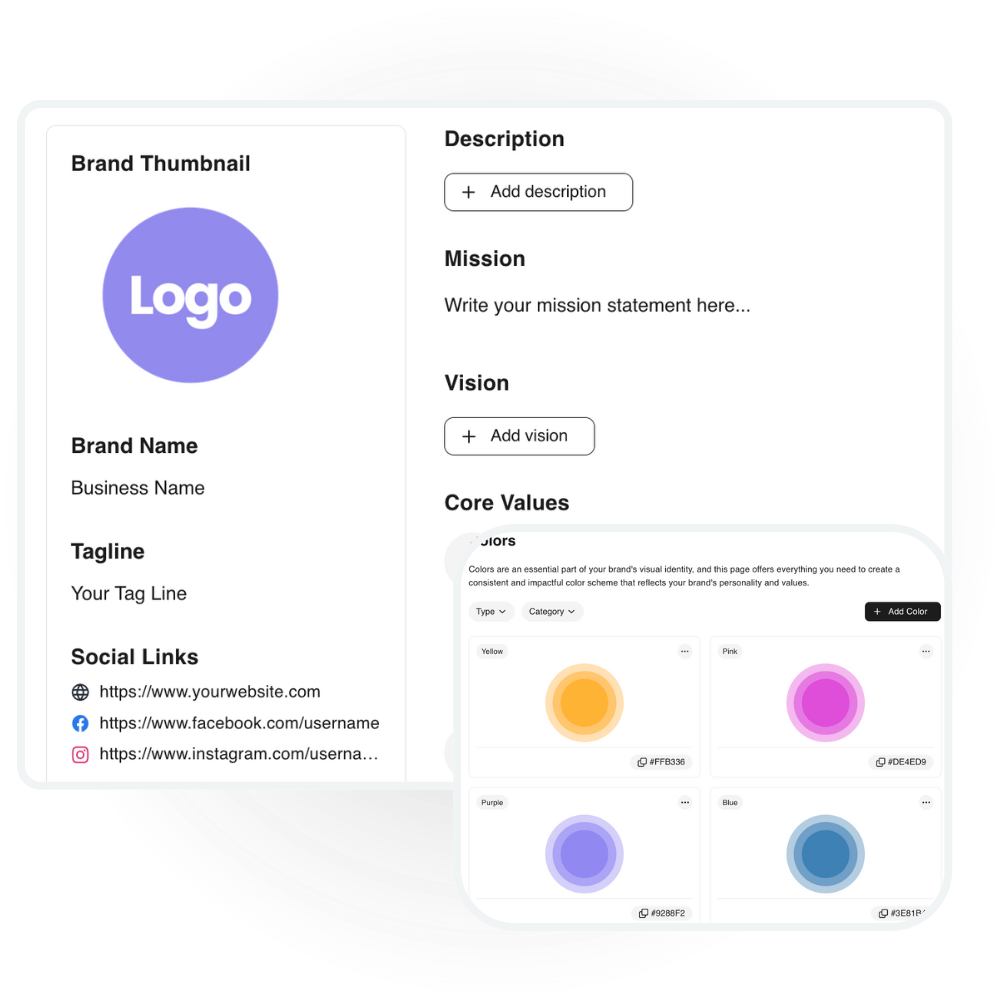
This is where BrandLife’s Brand Guideline Portal helps centralize and maintain live, always-updated standards across teams.
Leveraging digital asset management tools
High-performing teams use digital asset management to solve alignment problems at the root.
A strong digital asset management platform, such as BrandLife, reduces the time spent locating assets, prevents outdated versions from circulating, and brings brand consistency under one system.
BrandLife strengthens brand consistency with:
- Centralized asset library to eliminate scattered storage
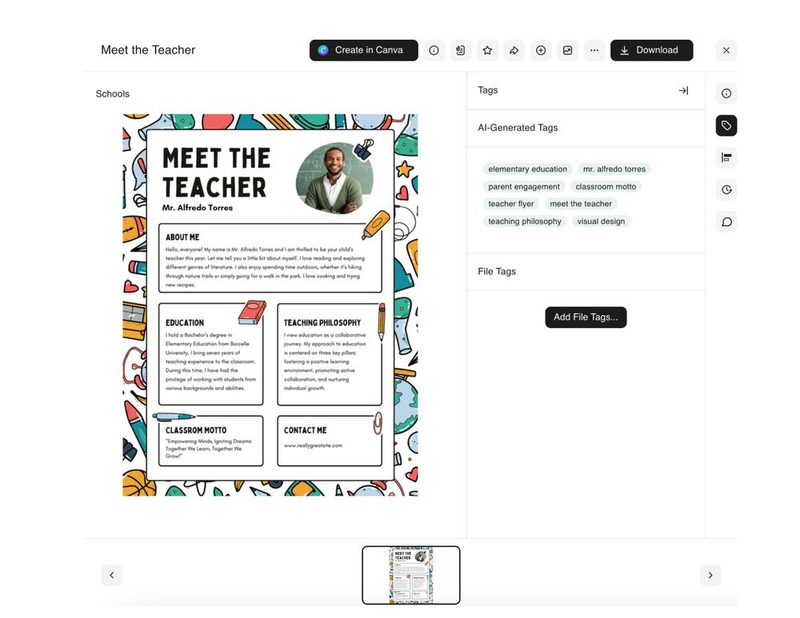
- AI-powered tagging that helps teams find the right asset instantly
- Version control to avoid outdated or duplicate files
- Permission-based sharing to protect brand integrity
- Brand guideline integration to keep identity rules accessible
- Multi-brand management for agencies and franchises managing several identities
With BrandLife, teams always use the right assets—reducing errors and improving speed across campaigns.
BrandLife customers report a 50% reduction in asset search time and a 30–40% decrease in brand inconsistencies after adopting the platform .
Fostering cross-departmental collaboration
Brand consistency breaks down when teams work in isolation. To avoid this:
- Encourage shared use of the digital asset management library
- Set up cross-functional review workflows
- Create transparent approvals
- Maintain shared calendars for asset usage
- Use tools with real-time commenting
For instance, BrandLife’s contextual commenting feature helps teams leave feedback directly on images, videos, and documents. This keeps conversations tied to the right asset and eliminates scattered chats or long email threads.

When teams collaborate inside a single system, creative output becomes more aligned, governed, and predictable.
How Lego Overcame Consistency Challenges
LEGO launched an internal campaign called “Brick by Brick: LEGO Brand Builders” to educate its employees on brand consistency. The initiative included interactive sessions, clear guidelines for logo usage, color systems, typography, and imagery.
This program reinforced how crucial it is for every employee, even non-creative teams, to understand and embody LEGO’s visual identity, helping to preserve brand unity and protect core brand values across its global operations.
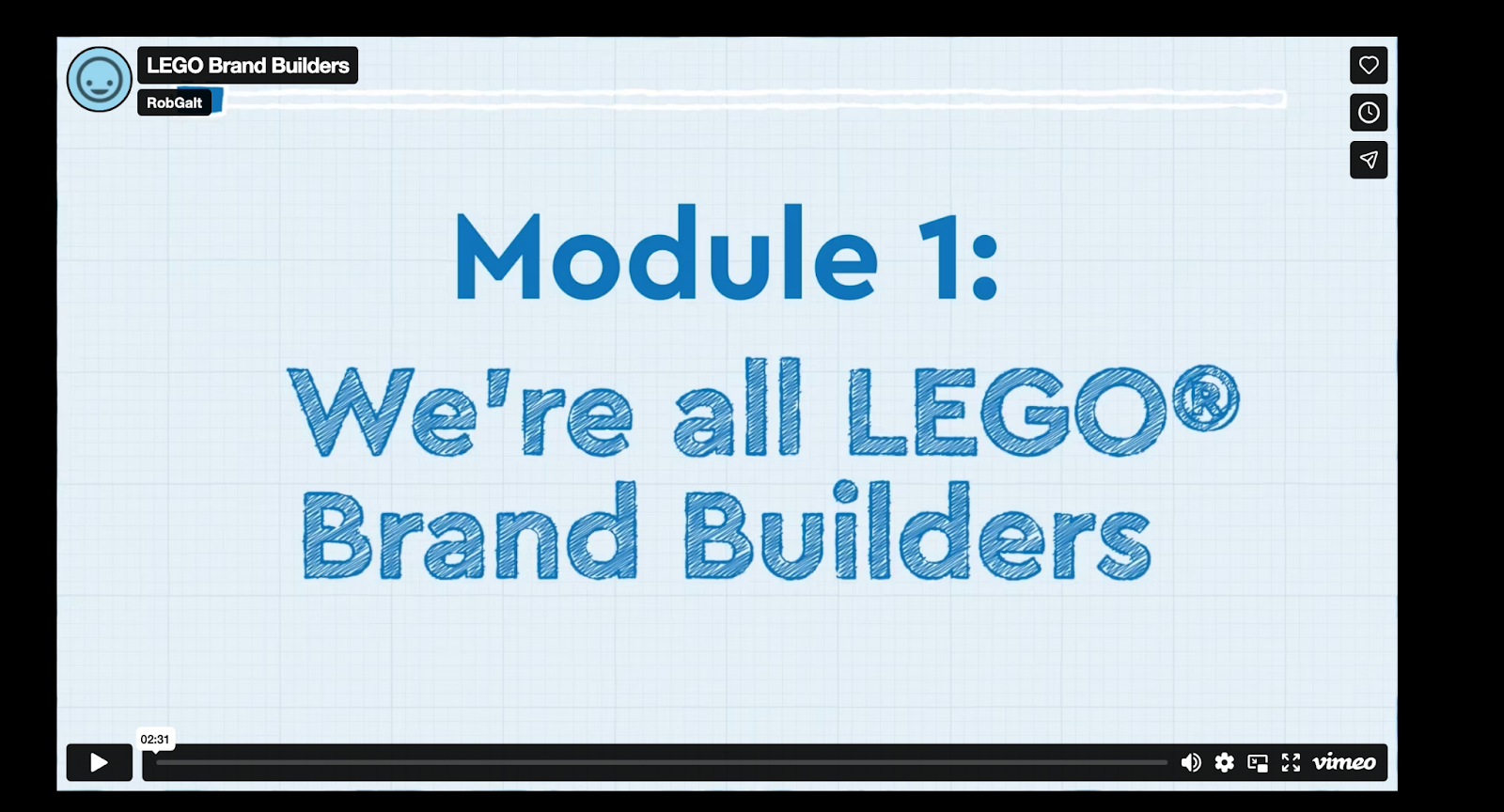
By embedding brand consistency into day-to-day work culture, LEGO strengthened its brand legacy in a way that is both scalable and deeply integrated into its organizational DNA.
Measuring Success in Brand Consistency
Before you can improve brand consistency, you need a clear way to measure it. These key metrics help teams understand whether guidelines, workflows, and tools like BrandLife are actually strengthening alignment across campaigns and channels.
Key metrics and indicators for tracking consistency
You can measure improvements in brand consistency through:
Asset accuracy rate
Tracks how frequently teams use the correct, approved assets. A high accuracy rate means your brand elements—logos, colors, templates—are being applied correctly across touchpoints.
Search time reduction
Measures the decrease in time spent searching for files. Reduced search time signals better asset organization and translates directly into increased productivity.
Brand compliance score
Shows the percentage of campaigns or assets that follow brand guidelines. A strong compliance score reflects consistent execution and better brand governance.
Campaign turnaround time
Evaluates how quickly teams can move from brief to delivery. Faster turnaround times typically indicate smoother workflows, clearer approvals, and better cross-team alignment.
Version error reduction
Assesses the drop in outdated or incorrect asset usage. Fewer version errors demonstrate improved version control and better asset centralization.
Content reuse rate
Tracks how often approved assets or templates are reused. Higher reuse rates show that teams trust existing materials, which improves consistency and reduces creation time.
Tools and techniques for assessment
Once you know what to measure, the next step is choosing the right tools to track performance. These methods help quantify consistency, identify gaps, and guide continuous improvement across teams and channels.
Digital asset analytics
Provides visibility into how often assets are used, by whom, and across which campaigns. This helps teams identify high-performing assets and spot inconsistencies in usage patterns.
Template usage reports
Shows how frequently teams rely on approved templates versus creating new materials. High template adoption supports stronger brand alignment and reduces off-brand variations.
Visual consistency audits
Manual or automated reviews comparing creative output to brand guidelines. These audits help detect color mismatches, typography deviations, and layout inconsistencies before they scale.
Cross-platform content reviews
Evaluates how consistently your brand appears across social, web, email, print, and product interfaces. These reviews ensure unified branding no matter where customers interact with you.
Internal brand surveys
Collects qualitative insights from employees about clarity, accessibility, and trust in brand guidelines. Surveys uncover hidden friction points that metrics alone can miss.
BrandLife’s built-in analytics
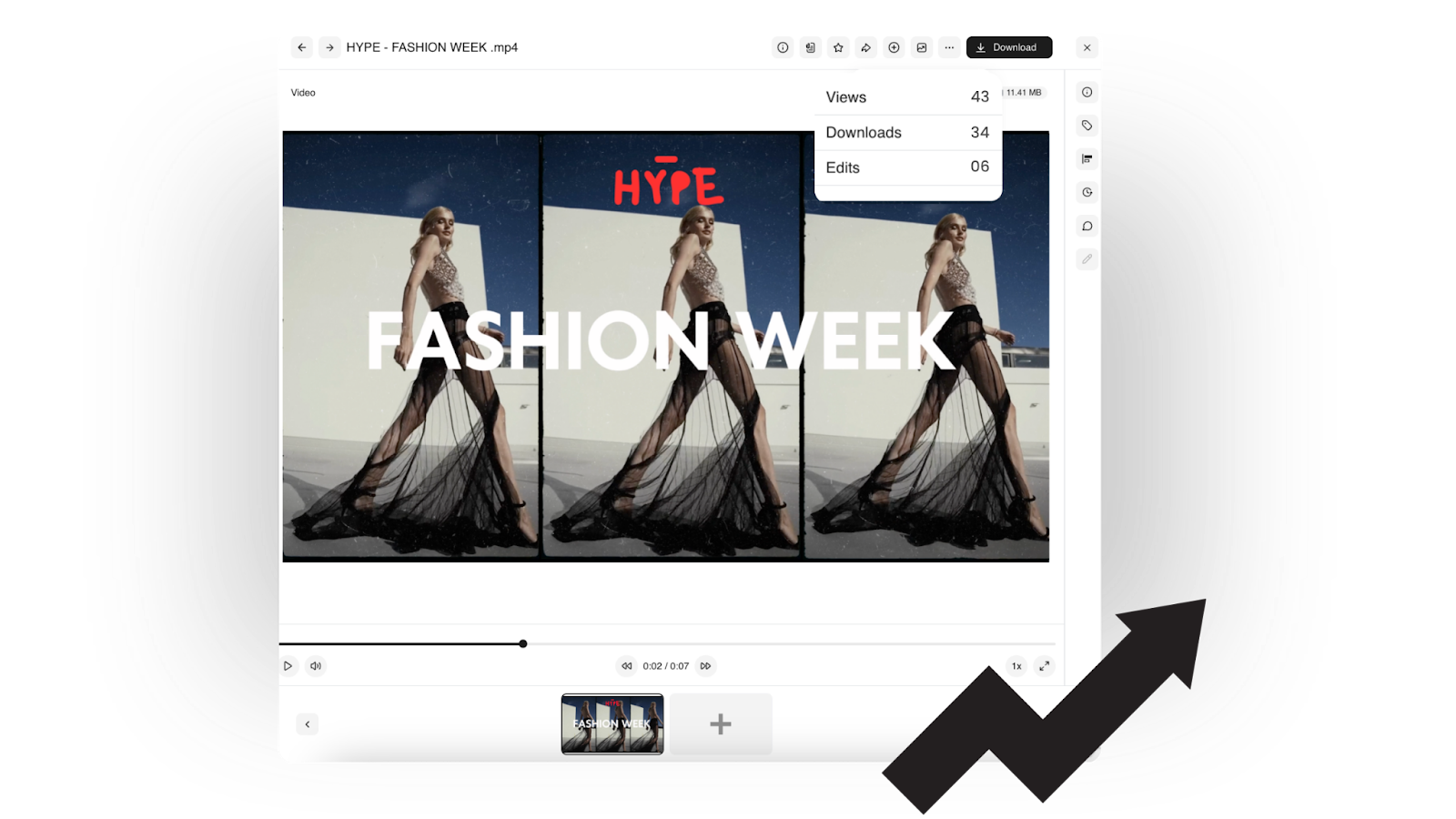
BrandLife tracks asset performance, identifies outdated materials, and shows how teams interact with brand libraries. This transforms brand governance into a measurable, trackable process instead of a subjective one.
Enhance Your Brand Consistency With BrandLife
Maintaining brand consistency across channels, teams, partners, and AI-driven content is one of today’s biggest challenges, but also one of the most impactful opportunities.
With strong guidelines, cross-functional alignment, and the right tools, brands can deliver cohesive, trustworthy experiences that customers instantly recognize.
BrandLife brings together digital asset management, brand guidelines, workflows, and analytics into one intuitive platform—making consistency effortless, scalable, and sustainable.
Some of its core features include:
Version control
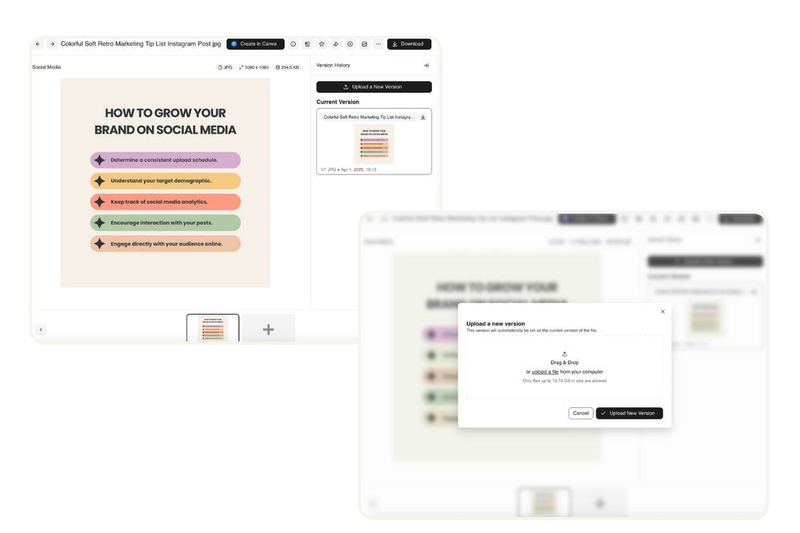
BrandLife keeps every file version organized in a single source of truth, so teams always know which asset is current and approved. This eliminates outdated usage, reduces errors, and ensures brand integrity across all channels.
Slack and Canva integration
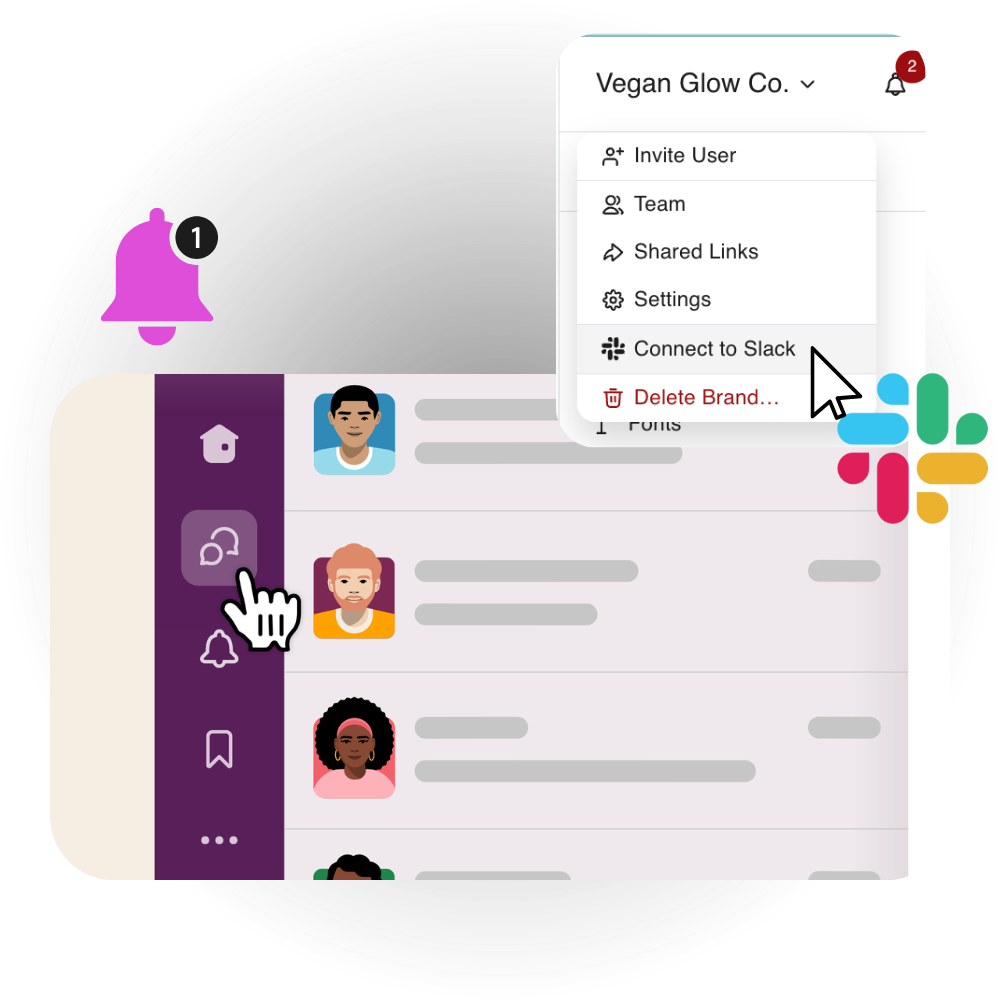
With BrandLife’s Slack integration, teams receive instant notifications for approvals, comments, and asset updates—keeping work moving without switching tools. The Canva integration allows designers and marketers to pull approved brand assets directly into Canva, ensuring consistency in every design.
Workflow automation
BrandLife automates the entire creative workflow—from brief intake to reviews to final approvals—so teams spend less time coordinating and more time creating. Automated routing reduces bottlenecks, accelerates delivery timelines, and ensures every step follows brand governance rules.
See how BrandLife brings your brand, teams, and assets together in one aligned workspace—streamlining collaboration and keeping everything organized in one place.Book a Demo