

Mastering Creative Operations for Optimal Brand Management

Your blueprint for reducing chaos and delivering high-quality creative work at scale

Key Takeways

  • Creative operations bring structure, visibility, and efficiency to the entire creative workflow—from intake to approvals to asset delivery.
  • Centralization is essential. Digital asset management platforms like BrandLife keep brand files secure, versioned, discoverable, and consistent across teams.
  • Data-driven metrics empower better decisions, helping leaders optimize capacity, workload distribution, and overall creative performance.
  • Integrated platforms are the future. Combining digital asset management, workflows, analytics, and collaboration tools reduces tool sprawl and supports creative teams as they scale.

Creative teams today are under more pressure than ever—more campaigns, more channels, more stakeholders, and tighter timelines. That’s why creative operations have become a core function for brands that want to move fast without sacrificing quality. 

By bringing structure, visibility, and accountability into the creative supply chain, creative operations help teams reduce chaos and deliver better work at scale. 

In this guide, we’ll break down how modern organizations are implementing creative operations—and how platforms like BrandLife make the entire ecosystem more efficient.

What Are Creative Operations?

Creative operations (often shortened to “creative ops” or “creops”) is the discipline that connects creative strategy, people, process, and technology to deliver high-quality creative work efficiently, consistently, and at scale. 

It includes everything from managing incoming creative requests to workflow orchestration, resource planning, and tracking creative output. This ultimately acts as the backbone that lets creative teams focus more on ideation and less on administrative bottlenecks.

Importance of creative operations in modern business

In today's fast-paced business environment, demand for creative content—video, social, interactive, and more—keeps accelerating. But many creative teams are under-resourced, overworked, and lack clarity in how work is requested and approved. 

According to a recent survey, 52% of creatives feel under-resourced even as their agencies continue to grow. 

That’s where creative operations become more than just a “nice to have.” It’s essential for scaling creativity without sacrificing quality or burning out talent.

Digital asset management (DAM) platforms like BrandLife play a central role here, providing a single hub for managing assets, brand guidelines, metadata, approvals, and collaboration.
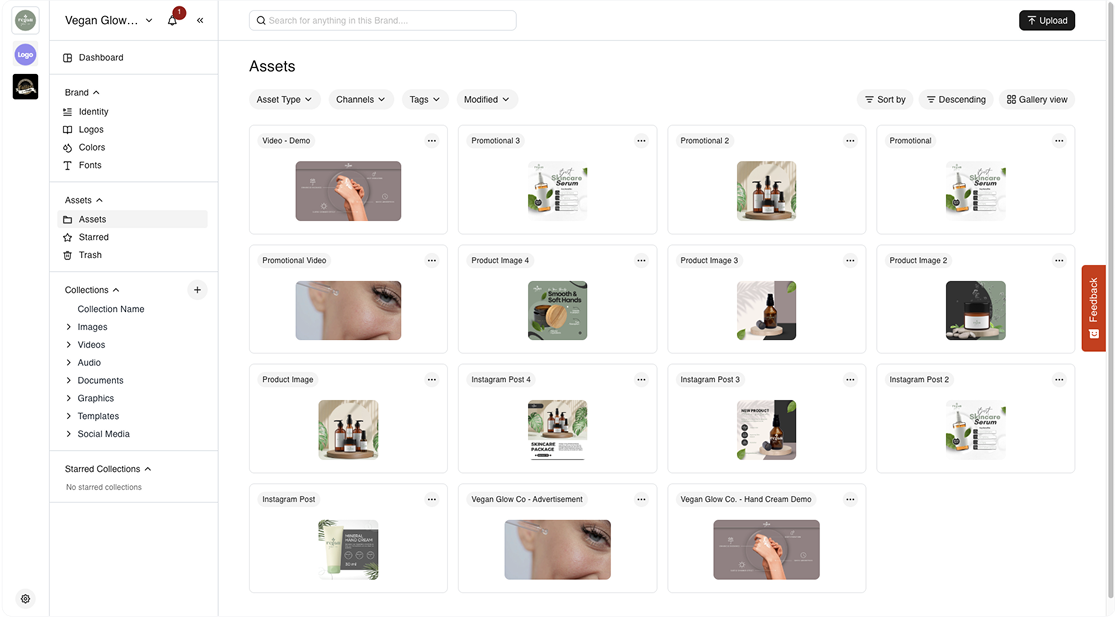
BrandLife's creative operation software dashboard screenshot
BrandLife’s Digital Asset Centralized Storage 

Key components of creative operations

A strong creative operations function covers:

  • Creative intake & brief management: Standardized requests to avoid incomplete briefs.
  • Workload planning: Prioritizing projects, timelines, and resource allocation.
  • Asset creation workflows: From draft → review → approvals → delivery.
  • Digital asset management: Centralizing brand assets with version control, metadata, permissions, and usage analytics.
  • Brand governance: Ensuring all content aligns with visual and verbal brand standards.
  • Reporting: Reviewing performance metrics, production timelines, bottlenecks, and quality.

BrandLife supports these steps with a unified digital asset management workspace, AI-powered search and tagging, and integrated brand guideline management so creative teams never lose visibility across tasks, versions, or approvals.
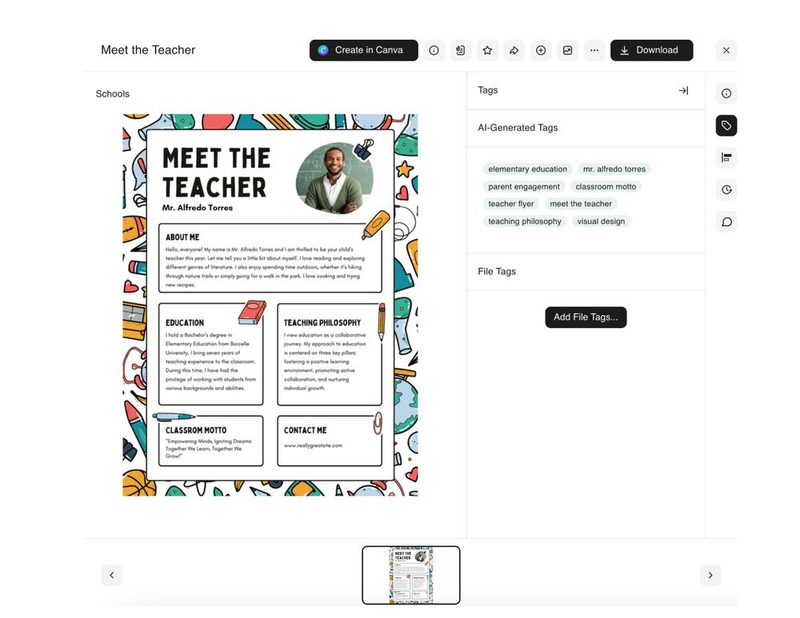
BrandLife's cloud DAM feature – AI tagging and smart search
BrandLife automatically assigns relevant tags to streamline creative operation organization

Creative Operations vs. Creative Project Management

Creative operations define the system, while creative project management manages the projects within that system.

Area Creative Operations Creative Project Management
Focus Process, governance, and infrastructure Individual tasks and timelines
Tools Digital asset management, brand guidelines, and approval workflows Task boards, calendars, and communication
Outcome Consistency, quality, and repeatability Timely delivery of a project

Creative project management keeps things moving. Creative operations ensure everything moves smoothly and consistently across all projects.

Implementing Creative Operations

Getting creative operations up and running doesn’t have to be overwhelming. With the right approach, you can streamline your entire creative workflow and give your team more clarity, control, and confidence.

Step #1: Mapping your current creative workflow

Start by visualizing exactly how work moves today:

  1. How do creative requests come in?
  2. Where are assets stored?
  3. How many review layers exist?
  4. Where do bottlenecks appear?
  5. How long does an asset take from request to completion?

Step #2: Identifying and solving workflow problems

Once your workflow is mapped, you can diagnose inefficiencies. For instance:

  • Are stakeholders unclear when making requests?
  • Do creatives spend too much time in review cycles?
  • Is there duplication of effort because assets aren't centralized?
  • Are capacity and utilization mismatched?

Creative ops leaders often find that recurring issues, including unclear briefs, repeated reviews, or missing context, are symptoms of deeper process gaps.

Step #3: Creative request management processes

A strong operations setup will formalize how creative work is requested. This means having a standard request form, defining required fields (e.g., target audience, objective, deliverables), and training stakeholders to communicate better. 

Closing that gap is critical: clearer briefs translate to fewer rounds of revision and faster turnaround.

Platforms like BrandLife allow teams to attach briefs directly to asset collections, ensuring context stays close to the work. You can even create and approve pre-designed templates within BrandLife’s workspace using its integrated Canva or Figma tools. 

BrandLife's integration with Canva
BrandLife integrates with Canva to design and approve templates within the workspace

This streamlines repetitive design tasks, reduces production time, and ensures consistent, on-brand assets across every project.

Step #4: Centralizing request management for efficiency

Instead of chasing requests through email or chat, centralize them in a workflow or creative operations platform. 

This ensures every request is tracked, prioritized, and staffed appropriately. With a centralized system, teams can rank work by urgency, strategic importance, or resource availability—and creatives can focus on doing the work, not chasing information.

Various Roles Involved in Creative Operations

Creative operations brings together multiple roles that each contribute to building a scalable, efficient creative ecosystem. While responsibilities vary, these positions work in sync to keep creative work organized, consistent, and strategically aligned.

Creative operations manager

A creative operations manager typically owns the day-to-day operations, such as 

  • Managing intake queues,
  • Assigning work,
  • Coordinating reviews,
  • Keeping stakeholders aligned. 

They act as the “glue” between creative teams and business teams, enabling the creative function to scale without chaos.

Creative operations director

The creative operations director lead the strategic direction of creative operations:

  • Defines operational strategy
  • Selects tools, including digital asset management platforms
  • Aligns creative output with brand and business goals
  • Ensures scalability as teams grow

This role often reports to marketing leadership or CMO, ensuring creative ops is integrated into the broader marketing strategy.

Creative operations coordinator

A creative operations coordinator supports the manager and director. They handle day-to-day creative logistics:

  • Intake management
  • Scheduling and calendars
  • Tracking deliverables
  • Maintaining updates in BrandLife
  • Communicating status to stakeholders

This role helps keep operations running smoothly and frees up senior ops to focus on strategic work.

3 Benefits of Creative Operations

A well-structured creative operations function delivers measurable benefits that elevate both creative output and overall brand performance.

1. Operational efficiency and improved collaboration

With structured workflows, creative teams spend less time on manual coordination and more on doing their work. When the process is clear and the workload is visible, collaboration improves. 

Shared dashboards give transparency into who is doing what and when.

BrandLife customers report up to 50% faster asset retrieval, a major efficiency boost for creative teams.

2. Security and data-driven decision making

A well-implemented creative operations practice means better data collection. Teams track metrics, such as time from brief to acceptance, review times, asset volume, utilization, and more. 

BrandLife’s built-in analytics surface these insights instantly, enabling smarter, data-driven decisions at every stage of the creative workflow.
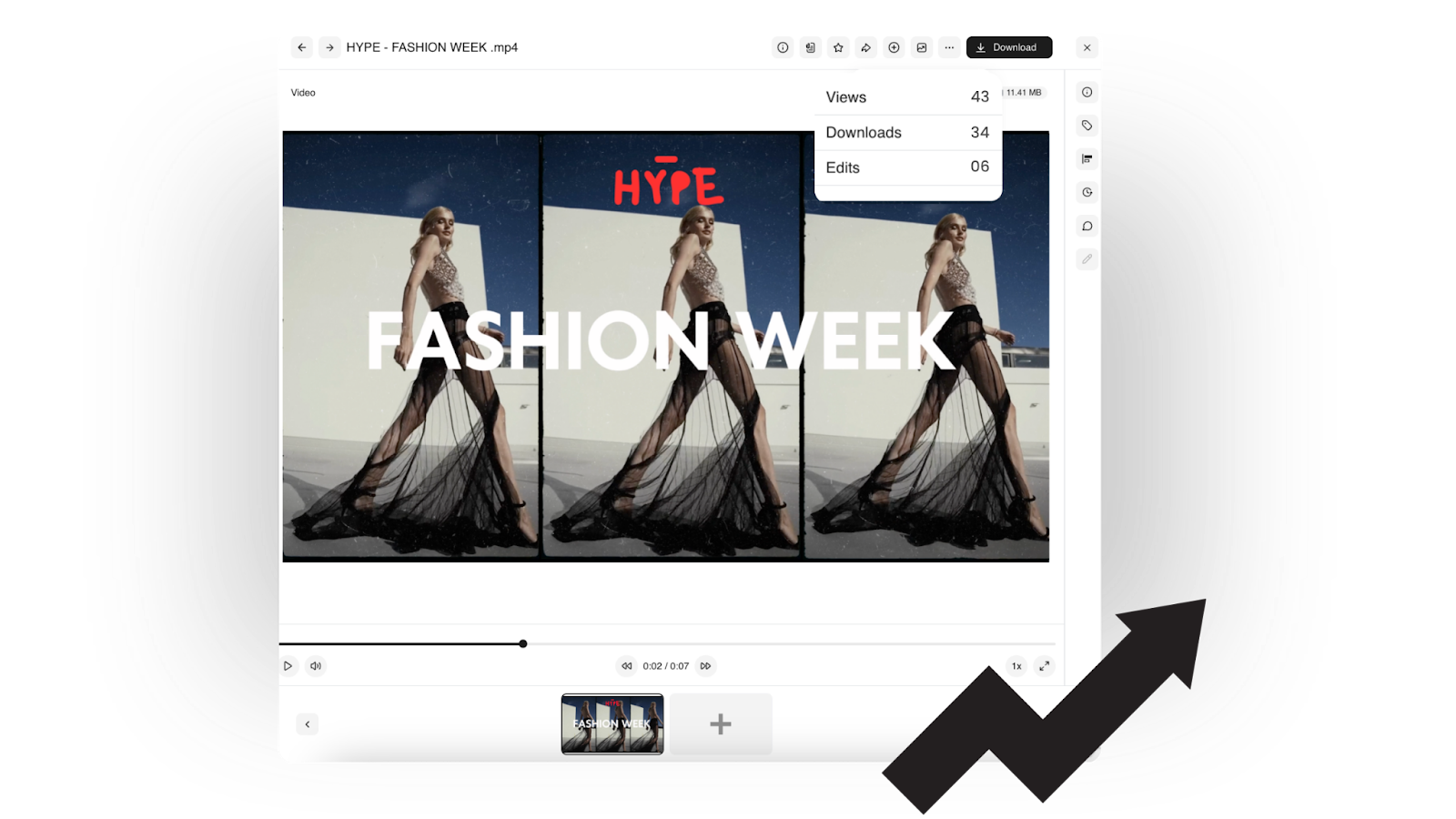
Cloud based digital asset management, BrandLife — built in analytical feature screenshot
BrandLife’s insights into asset usage and its performance

And because BrandLife centralizes all creative assets and activity inside a secure digital asset management environment, teams can maintain strict governance and protect sensitive brand files throughout the process. 

With this data, operations leaders can justify hiring, optimizing capacity, or restructuring teams based on evidence—not guesswork.

3. Customization and project consistency

By centralizing assets in a digital asset management system and standardizing workflows, creative operations help ensure that branding is consistent across all channels. 

This reduces duplication, improves quality, and maintains brand standards at scale.

After implementing the BrandLife solution for valuable asset management, the ABARA Marketing Group saw a 30% reduction in brand consistency. Consistency is the core of creative operations.

With BrandLife:

  • Brand guidelines live within the same digital asset management platform
  • Designers always access current logos, colors, fonts, and templates
  • Version control prevents outdated asset usage
  • Multi-brand management helps agencies manage several brands at once
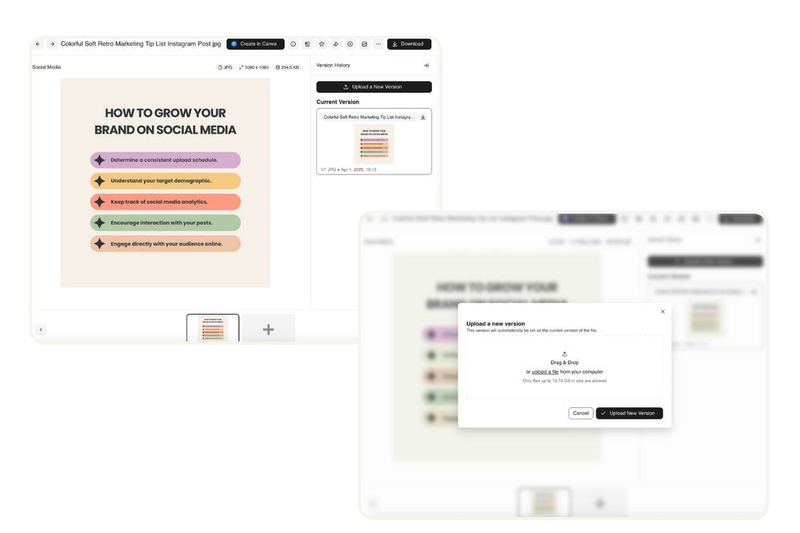
Manage your brand consistency with BrandLife's version control feature
BrandLife’s version control feature ensures consistency

Different Use Cases of Creative Operations

Different industries and teams rely on creative operations in unique ways, but the goal is always the same: faster production, better collaboration, and more consistent brand experiences.

Improving customer experience

Take Delta’s in-house creative arm, “Window Seat,” which builds real, emotionally rich stories around travelers. According to Basil, this team tripled its creative output year over year, producing authentic video and imagery of real travelers. 
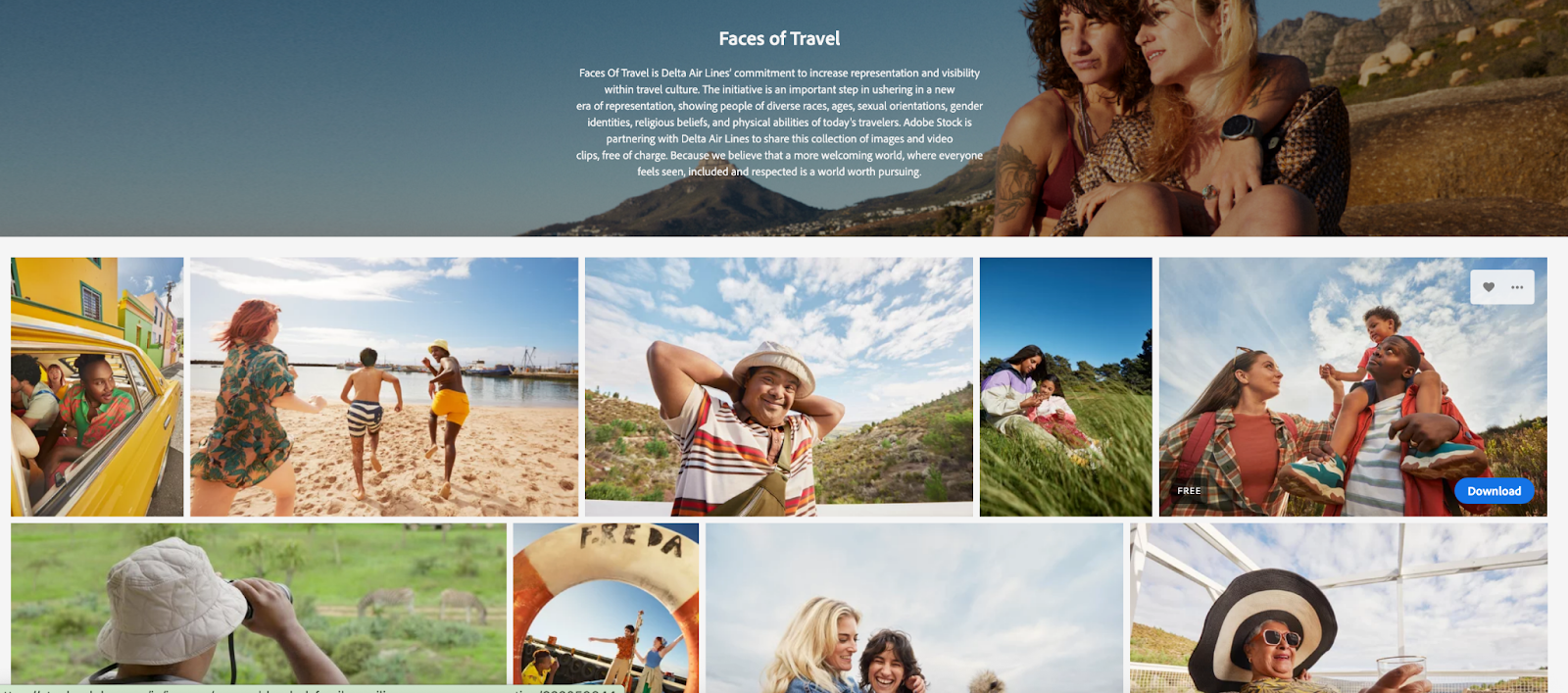
Delta's in house creative project example
Source | Showing real travelers

Creative operations supports such teams by structuring how requests from commercial, brand, and content teams are prioritized and executed—ensuring customer-facing stories are consistent, timely, and high quality.

Empowering remote teams with faster results

Hybrid work is here to stay. In Screendragon’s 2023 report, 60% of creative teams now operate in a hybrid model, up from 45% the previous year.

In distributed environments, creative operations become even more valuable. Tools like workflow platforms and digital asset management software help keep all creative stakeholders aligned, no matter where they are.

Enhancing brand consistency

Large organizations with multiple business units—for instance, global brands or omnichannel companies—benefit hugely from a mature operations setup. 

A central digital asset management ensures everyone accesses the same on-brand creative assets. 

BrandLife can play a critical role here. By combining collaborative workflow with digital asset management, BrandLife gives teams a single source of truth for their creative assets, ensuring consistency across markets, campaigns, and formats.
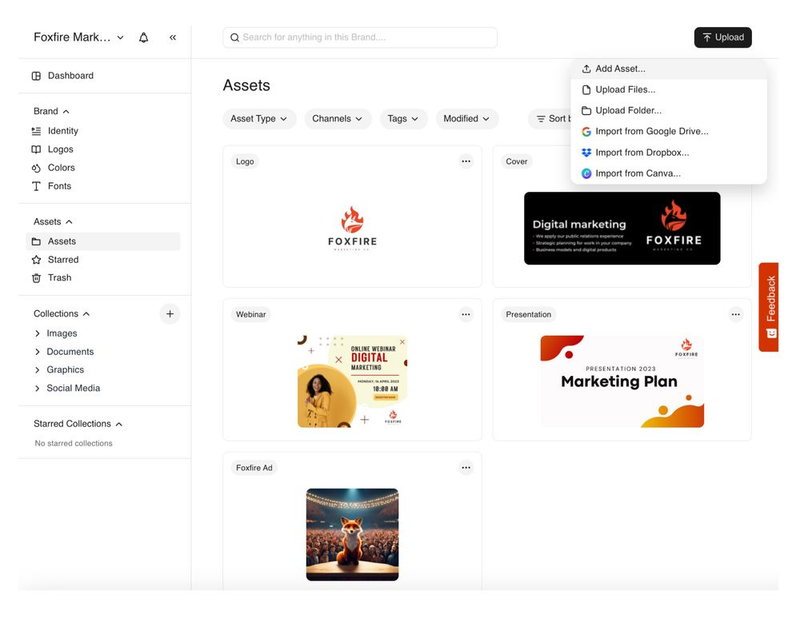
BrandLife's creative operation software for asset centralization
Easily upload, store, and manage your digital assets with BrandLife’s centralized repository

Trends and Best Practices in Creative Operations

The landscape of creative operations is evolving rapidly. Staying ahead means understanding the latest trends, best practices, and where the function is headed.

Current trends in creative operations management

Creative operations has entered a new phase: emerging technologies and shifting team structures are reshaping how work gets done, who does it, and which tools drive impact.

  • AI adoption: According to a 2024 “AI Trends in Creative Operations” report, 90.4% of creative ops professionals believe AI can save time, while 66% say they’re using it to increase productivity and generate first drafts.
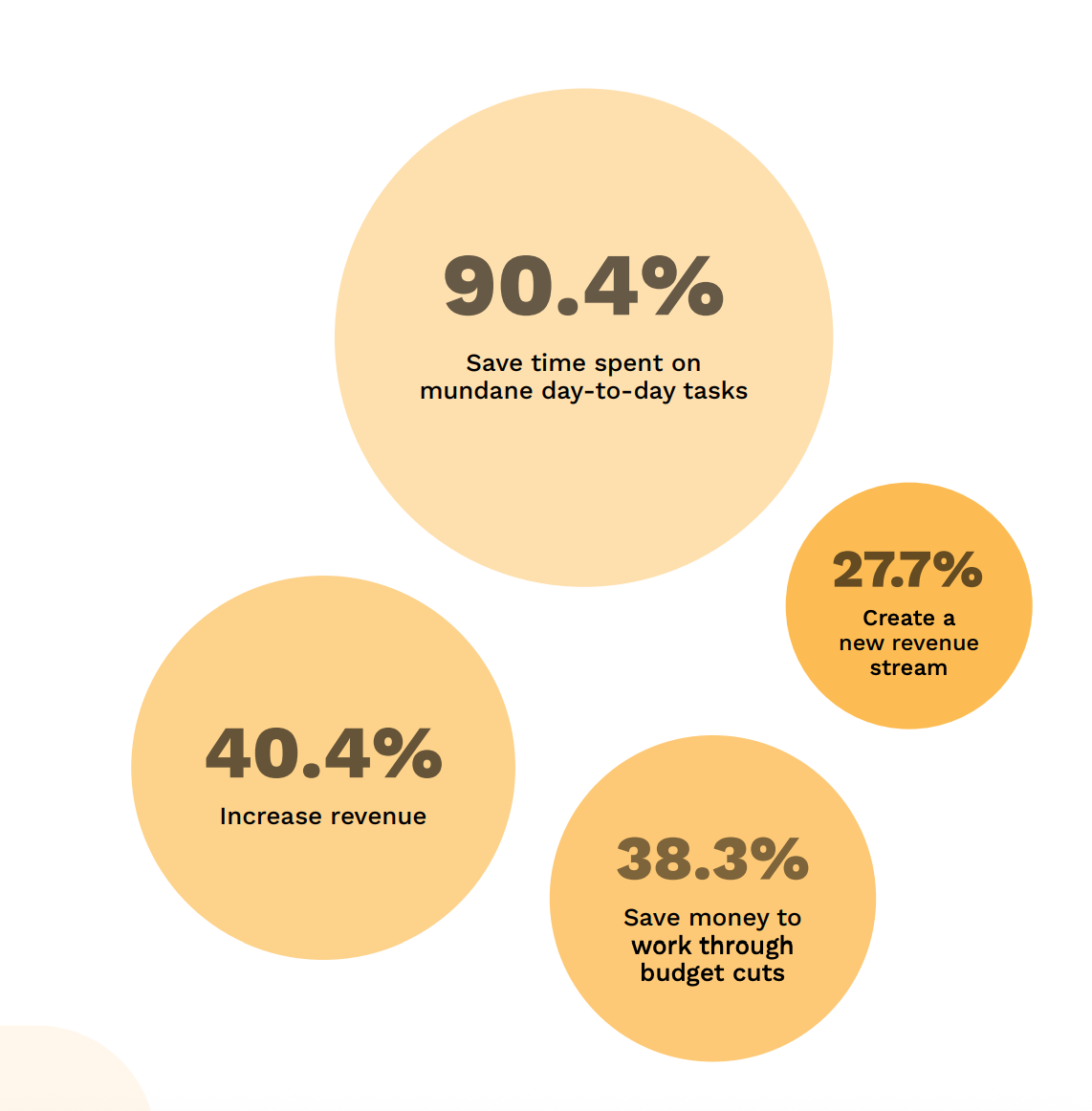
AI Trends in Creative Operations 2024 report
Creatives want to save time with AI
  • Restructuring and scaling: As brands scale, many in-house creative teams are restructuring their operations to support higher content velocity and better cross-team collaboration. This shift often includes adopting integrated platforms like BrandLife to handle workflows, reviews, and brand asset governance more efficiently.
  • Hybrid work models: Hybrid work is now a permanent reality, making it essential for creative operations to centralize assets, processes, and reviews in platforms like BrandLife to keep distributed teams aligned.

Future of creative operations in various industries

Looking ahead, creative ops is no longer just a support function—it’s becoming a strategic cornerstone for how brands ideate, produce, and scale their creative output.

  • Generative AI will go mainstream: Ops teams will increasingly use AI to draft content, suggest layout ideas, or generate variants—freeing creatives for high-value work.
  • Integrated platforms will win: Platforms that combine digital asset management, workflow, and analytics (like BrandLife) will become central to mature creative ops orgs.
  • Data-driven accountability: With better metrics, operations leaders will be more empowered to justify investments, hire strategically, and align creative work with business goals.

Measuring and Optimizing Creative Operations

Effective creative operations don’t end at execution—they rely on continuous measurement and refinement to keep teams aligned, efficient, and delivering high-impact work.

How to measure success in creative operations

Here are key metrics creative ops teams should track:

  • Brief clarity: Track clarity at intake to reduce rework.
  • Time from brief to start: How long it takes for a request to be accepted and assigned.
  • Review cycles: Number of rounds of feedback before a deliverable is approved.
  • Asset metrics: Using a digital asset management platform, you can measure volume of assets, versioning, usage, and reuse.
  • Utilization vs. capacity: Are your creatives at full capacity, or do you have slack?
  • Business impact: Link creative output to business goals (e.g., campaign performance, brand consistency, time saved).

Tools and platforms for optimization

The right tools and platforms streamline creative workflows, enhance collaboration, and ensure teams can scale their output without sacrificing quality. Here are a few essential tools for creative operation management: 

  • Digital asset management: It’s a core part of operations. It centralizes all creative assets, keeping them organized and accessible.
  • Workflow platforms: Tools that manage tasks, reviews, and requests (e.g., project management + ops platforms).
  • Analytics & reporting tools: Built-in dashboards for utilization, asset performance, cycle times, etc.
  • AI assistants: For auto-generating drafts, predicting resource needs, or suggesting creative variants.

How BrandLife Enhances Creative Operations

Creative operations are the backbone of efficient, consistent, and scalable brand management. As teams produce more content across more channels, structure and visibility become essential—not optional.

By combining strong creative workflows with a modern digital asset management platform, teams gain:

  • Faster production
  • Stronger brand consistency
  • Cleaner collaboration
  • Centralized brand governance
  • Easier version control
  • A calmer, more organized creative ecosystem

BrandLife is uniquely positioned to support all of the above:

Integrated DAM + workflow
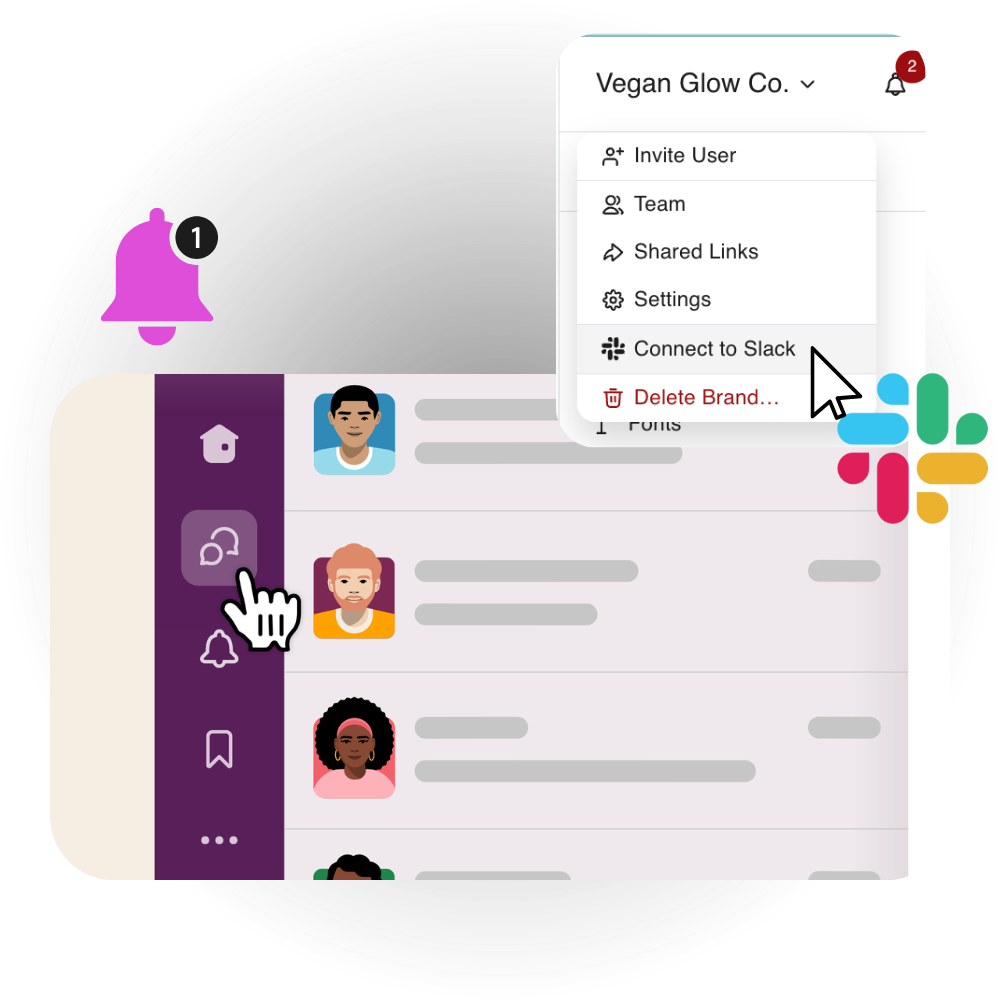
Brandlife screenshot of how it integrates with Slack for streamlining workflow communication
BrandLife connects with Slack to streamline real-time updates and prompt messaging within the workspace

BrandLife unifies creative operations by combining digital asset management with project workflows, meaning teams don’t have to juggle multiple tools.

Centralized request intake
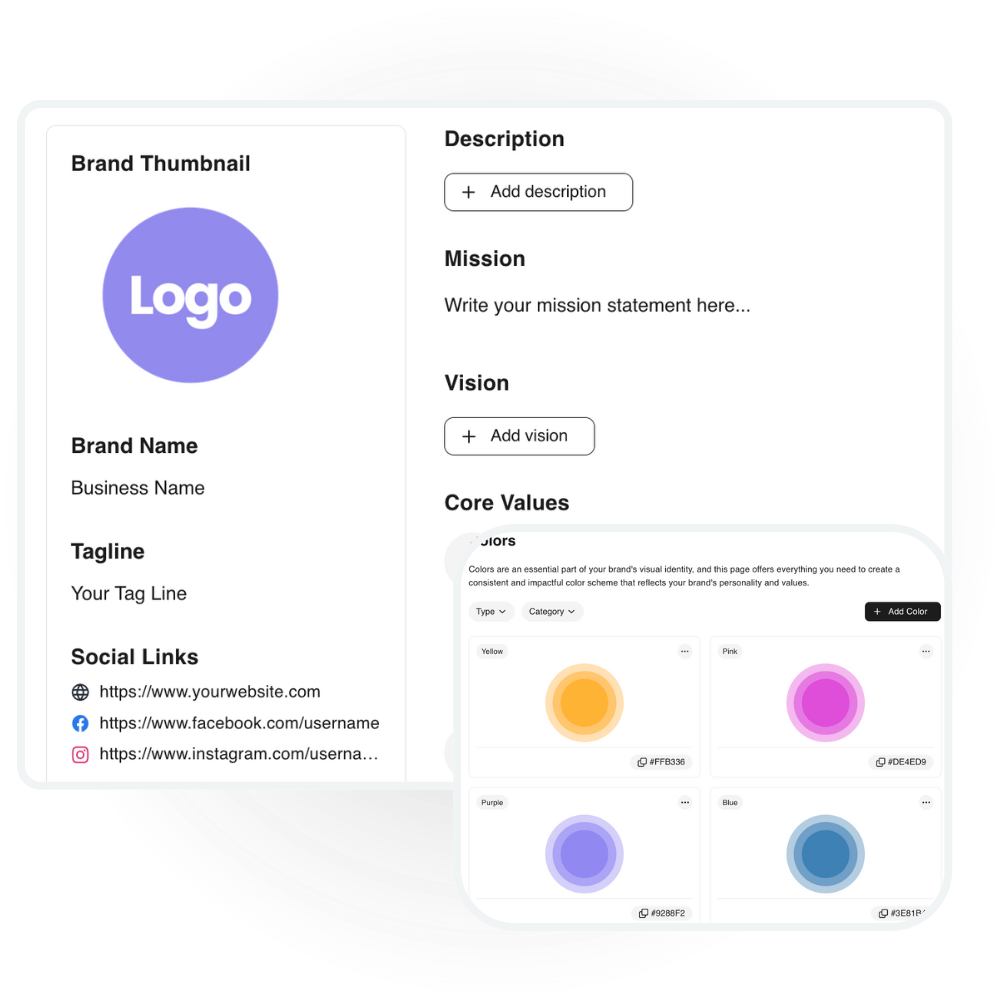
Maintain brand guideline and other briefs on guideline portal


BrandLife’s Brand Guideline portal to store all your media kits, including brand guidelines and digital files on logo, color, and typography

With BrandLife, you can formalize request intake, standardize briefs, and route tasks intelligently—reducing ambiguity and streamlining approvals.

Performance dashboards

BrandLife gives visibility into creative metrics (utilization, timelines, versioning) so creative ops managers can make data-driven decisions.

Scalable structure

BrandLife's pricing plans screenshot
BrandLife’s pricing plans for different team sizes

Whether you’re 5 people or 50, BrandLife supports future growth—making restructuring easier, and enabling maturity over time.

Start your 14-day free BrandLife trial today and experience a smoother, smarter way to manage your entire creative operation.

Frequently Asked Questions

What is the role of a creative operations lead?

A creative operations lead oversees workflows, resources, and processes that keep creative teams running efficiently. They ensure briefs, timelines, reviews, and approvals stay on track while improving productivity and cross-team alignment.

How can creative operations improve remote team collaboration?

Creative operations introduces standardized workflows, centralized communication, and clear approval paths—removing ambiguity and delays. With shared tools and documentation, remote teams stay aligned, informed, and accountable no matter where they’re located.

What are the essential tools for managing creative operations?

Teams typically rely on workflow automation tools, approval and review platforms, Digital asset management systems, and performance analytics dashboards. Solutions like BrandLife bring these elements together, enabling streamlined asset management, faster approvals, and data-driven decision-making.

Related

See more
The Ultimate Guide to Maintaining Brand Consistency Across Platforms

The Ultimate Guide to Maintaining Brand Consistency Across Platforms

Ensuring Brand Consistency: A Comprehensive Guide

Ensuring Brand Consistency: A Comprehensive Guide

The Ultimate Guide to Brand Consistency with BrandLife

The Ultimate Guide to Brand Consistency with BrandLife

Ready to make your brand unstoppable?

Try it free or request a quote. Let’s build your brand’s next.

Mastering Creative Operations for Optimal Brand Management

Your blueprint for reducing chaos and delivering high-quality creative work at scale
Start Free TrialDownload Free PDF
Mastering Creative Operations for Optimal Brand Management

Key Takeways

  • Creative operations bring structure, visibility, and efficiency to the entire creative workflow—from intake to approvals to asset delivery.
  • Centralization is essential. Digital asset management platforms like BrandLife keep brand files secure, versioned, discoverable, and consistent across teams.
  • Data-driven metrics empower better decisions, helping leaders optimize capacity, workload distribution, and overall creative performance.
  • Integrated platforms are the future. Combining digital asset management, workflows, analytics, and collaboration tools reduces tool sprawl and supports creative teams as they scale.

Creative teams today are under more pressure than ever—more campaigns, more channels, more stakeholders, and tighter timelines. That’s why creative operations have become a core function for brands that want to move fast without sacrificing quality. 

By bringing structure, visibility, and accountability into the creative supply chain, creative operations help teams reduce chaos and deliver better work at scale. 

In this guide, we’ll break down how modern organizations are implementing creative operations—and how platforms like BrandLife make the entire ecosystem more efficient.

What Are Creative Operations?

Creative operations (often shortened to “creative ops” or “creops”) is the discipline that connects creative strategy, people, process, and technology to deliver high-quality creative work efficiently, consistently, and at scale. 

It includes everything from managing incoming creative requests to workflow orchestration, resource planning, and tracking creative output. This ultimately acts as the backbone that lets creative teams focus more on ideation and less on administrative bottlenecks.

Importance of creative operations in modern business

In today's fast-paced business environment, demand for creative content—video, social, interactive, and more—keeps accelerating. But many creative teams are under-resourced, overworked, and lack clarity in how work is requested and approved. 

According to a recent survey, 52% of creatives feel under-resourced even as their agencies continue to grow. 

That’s where creative operations become more than just a “nice to have.” It’s essential for scaling creativity without sacrificing quality or burning out talent.

Digital asset management (DAM) platforms like BrandLife play a central role here, providing a single hub for managing assets, brand guidelines, metadata, approvals, and collaboration.

BrandLife's creative operation software dashboard screenshot
BrandLife’s Digital Asset Centralized Storage 

Key components of creative operations

A strong creative operations function covers:

  • Creative intake & brief management: Standardized requests to avoid incomplete briefs.
  • Workload planning: Prioritizing projects, timelines, and resource allocation.
  • Asset creation workflows: From draft → review → approvals → delivery.
  • Digital asset management: Centralizing brand assets with version control, metadata, permissions, and usage analytics.
  • Brand governance: Ensuring all content aligns with visual and verbal brand standards.
  • Reporting: Reviewing performance metrics, production timelines, bottlenecks, and quality.

BrandLife supports these steps with a unified digital asset management workspace, AI-powered search and tagging, and integrated brand guideline management so creative teams never lose visibility across tasks, versions, or approvals.

BrandLife's cloud DAM feature – AI tagging and smart search
BrandLife automatically assigns relevant tags to streamline creative operation organization

Creative Operations vs. Creative Project Management

Creative operations define the system, while creative project management manages the projects within that system.

Area Creative Operations Creative Project Management
Focus Process, governance, and infrastructure Individual tasks and timelines
Tools Digital asset management, brand guidelines, and approval workflows Task boards, calendars, and communication
Outcome Consistency, quality, and repeatability Timely delivery of a project

Creative project management keeps things moving. Creative operations ensure everything moves smoothly and consistently across all projects.

Implementing Creative Operations

Getting creative operations up and running doesn’t have to be overwhelming. With the right approach, you can streamline your entire creative workflow and give your team more clarity, control, and confidence.

Step #1: Mapping your current creative workflow

Start by visualizing exactly how work moves today:

  1. How do creative requests come in?
  2. Where are assets stored?
  3. How many review layers exist?
  4. Where do bottlenecks appear?
  5. How long does an asset take from request to completion?

Step #2: Identifying and solving workflow problems

Once your workflow is mapped, you can diagnose inefficiencies. For instance:

  • Are stakeholders unclear when making requests?
  • Do creatives spend too much time in review cycles?
  • Is there duplication of effort because assets aren't centralized?
  • Are capacity and utilization mismatched?

Creative ops leaders often find that recurring issues, including unclear briefs, repeated reviews, or missing context, are symptoms of deeper process gaps.

Step #3: Creative request management processes

A strong operations setup will formalize how creative work is requested. This means having a standard request form, defining required fields (e.g., target audience, objective, deliverables), and training stakeholders to communicate better. 

Closing that gap is critical: clearer briefs translate to fewer rounds of revision and faster turnaround.

Platforms like BrandLife allow teams to attach briefs directly to asset collections, ensuring context stays close to the work. You can even create and approve pre-designed templates within BrandLife’s workspace using its integrated Canva or Figma tools. 

BrandLife's integration with Canva
BrandLife integrates with Canva to design and approve templates within the workspace

This streamlines repetitive design tasks, reduces production time, and ensures consistent, on-brand assets across every project.

Step #4: Centralizing request management for efficiency

Instead of chasing requests through email or chat, centralize them in a workflow or creative operations platform. 

This ensures every request is tracked, prioritized, and staffed appropriately. With a centralized system, teams can rank work by urgency, strategic importance, or resource availability—and creatives can focus on doing the work, not chasing information.

Various Roles Involved in Creative Operations

Creative operations brings together multiple roles that each contribute to building a scalable, efficient creative ecosystem. While responsibilities vary, these positions work in sync to keep creative work organized, consistent, and strategically aligned.

Creative operations manager

A creative operations manager typically owns the day-to-day operations, such as 

  • Managing intake queues,
  • Assigning work,
  • Coordinating reviews,
  • Keeping stakeholders aligned. 

They act as the “glue” between creative teams and business teams, enabling the creative function to scale without chaos.

Creative operations director

The creative operations director lead the strategic direction of creative operations:

  • Defines operational strategy
  • Selects tools, including digital asset management platforms
  • Aligns creative output with brand and business goals
  • Ensures scalability as teams grow

This role often reports to marketing leadership or CMO, ensuring creative ops is integrated into the broader marketing strategy.

Creative operations coordinator

A creative operations coordinator supports the manager and director. They handle day-to-day creative logistics:

  • Intake management
  • Scheduling and calendars
  • Tracking deliverables
  • Maintaining updates in BrandLife
  • Communicating status to stakeholders

This role helps keep operations running smoothly and frees up senior ops to focus on strategic work.

3 Benefits of Creative Operations

A well-structured creative operations function delivers measurable benefits that elevate both creative output and overall brand performance.

1. Operational efficiency and improved collaboration

With structured workflows, creative teams spend less time on manual coordination and more on doing their work. When the process is clear and the workload is visible, collaboration improves. 

Shared dashboards give transparency into who is doing what and when.

BrandLife customers report up to 50% faster asset retrieval, a major efficiency boost for creative teams.

2. Security and data-driven decision making

A well-implemented creative operations practice means better data collection. Teams track metrics, such as time from brief to acceptance, review times, asset volume, utilization, and more. 

BrandLife’s built-in analytics surface these insights instantly, enabling smarter, data-driven decisions at every stage of the creative workflow.

Cloud based digital asset management, BrandLife — built in analytical feature screenshot
BrandLife’s insights into asset usage and its performance

And because BrandLife centralizes all creative assets and activity inside a secure digital asset management environment, teams can maintain strict governance and protect sensitive brand files throughout the process. 

With this data, operations leaders can justify hiring, optimizing capacity, or restructuring teams based on evidence—not guesswork.

3. Customization and project consistency

By centralizing assets in a digital asset management system and standardizing workflows, creative operations help ensure that branding is consistent across all channels. 

This reduces duplication, improves quality, and maintains brand standards at scale.

After implementing the BrandLife solution for valuable asset management, the ABARA Marketing Group saw a 30% reduction in brand consistency. Consistency is the core of creative operations.

With BrandLife:

  • Brand guidelines live within the same digital asset management platform
  • Designers always access current logos, colors, fonts, and templates
  • Version control prevents outdated asset usage
  • Multi-brand management helps agencies manage several brands at once
Manage your brand consistency with BrandLife's version control feature
BrandLife’s version control feature ensures consistency

Different Use Cases of Creative Operations

Different industries and teams rely on creative operations in unique ways, but the goal is always the same: faster production, better collaboration, and more consistent brand experiences.

Improving customer experience

Take Delta’s in-house creative arm, “Window Seat,” which builds real, emotionally rich stories around travelers. According to Basil, this team tripled its creative output year over year, producing authentic video and imagery of real travelers. 

Delta's in house creative project example
Source | Showing real travelers

Creative operations supports such teams by structuring how requests from commercial, brand, and content teams are prioritized and executed—ensuring customer-facing stories are consistent, timely, and high quality.

Empowering remote teams with faster results

Hybrid work is here to stay. In Screendragon’s 2023 report, 60% of creative teams now operate in a hybrid model, up from 45% the previous year.

In distributed environments, creative operations become even more valuable. Tools like workflow platforms and digital asset management software help keep all creative stakeholders aligned, no matter where they are.

Enhancing brand consistency

Large organizations with multiple business units—for instance, global brands or omnichannel companies—benefit hugely from a mature operations setup. 

A central digital asset management ensures everyone accesses the same on-brand creative assets. 

BrandLife can play a critical role here. By combining collaborative workflow with digital asset management, BrandLife gives teams a single source of truth for their creative assets, ensuring consistency across markets, campaigns, and formats.

BrandLife's creative operation software for asset centralization
Easily upload, store, and manage your digital assets with BrandLife’s centralized repository

Trends and Best Practices in Creative Operations

The landscape of creative operations is evolving rapidly. Staying ahead means understanding the latest trends, best practices, and where the function is headed.

Current trends in creative operations management

Creative operations has entered a new phase: emerging technologies and shifting team structures are reshaping how work gets done, who does it, and which tools drive impact.

  • AI adoption: According to a 2024 “AI Trends in Creative Operations” report, 90.4% of creative ops professionals believe AI can save time, while 66% say they’re using it to increase productivity and generate first drafts.
AI Trends in Creative Operations 2024 report
Creatives want to save time with AI
  • Restructuring and scaling: As brands scale, many in-house creative teams are restructuring their operations to support higher content velocity and better cross-team collaboration. This shift often includes adopting integrated platforms like BrandLife to handle workflows, reviews, and brand asset governance more efficiently.
  • Hybrid work models: Hybrid work is now a permanent reality, making it essential for creative operations to centralize assets, processes, and reviews in platforms like BrandLife to keep distributed teams aligned.

Future of creative operations in various industries

Looking ahead, creative ops is no longer just a support function—it’s becoming a strategic cornerstone for how brands ideate, produce, and scale their creative output.

  • Generative AI will go mainstream: Ops teams will increasingly use AI to draft content, suggest layout ideas, or generate variants—freeing creatives for high-value work.
  • Integrated platforms will win: Platforms that combine digital asset management, workflow, and analytics (like BrandLife) will become central to mature creative ops orgs.
  • Data-driven accountability: With better metrics, operations leaders will be more empowered to justify investments, hire strategically, and align creative work with business goals.

Measuring and Optimizing Creative Operations

Effective creative operations don’t end at execution—they rely on continuous measurement and refinement to keep teams aligned, efficient, and delivering high-impact work.

How to measure success in creative operations

Here are key metrics creative ops teams should track:

  • Brief clarity: Track clarity at intake to reduce rework.
  • Time from brief to start: How long it takes for a request to be accepted and assigned.
  • Review cycles: Number of rounds of feedback before a deliverable is approved.
  • Asset metrics: Using a digital asset management platform, you can measure volume of assets, versioning, usage, and reuse.
  • Utilization vs. capacity: Are your creatives at full capacity, or do you have slack?
  • Business impact: Link creative output to business goals (e.g., campaign performance, brand consistency, time saved).

Tools and platforms for optimization

The right tools and platforms streamline creative workflows, enhance collaboration, and ensure teams can scale their output without sacrificing quality. Here are a few essential tools for creative operation management: 

  • Digital asset management: It’s a core part of operations. It centralizes all creative assets, keeping them organized and accessible.
  • Workflow platforms: Tools that manage tasks, reviews, and requests (e.g., project management + ops platforms).
  • Analytics & reporting tools: Built-in dashboards for utilization, asset performance, cycle times, etc.
  • AI assistants: For auto-generating drafts, predicting resource needs, or suggesting creative variants.

How BrandLife Enhances Creative Operations

Creative operations are the backbone of efficient, consistent, and scalable brand management. As teams produce more content across more channels, structure and visibility become essential—not optional.

By combining strong creative workflows with a modern digital asset management platform, teams gain:

  • Faster production
  • Stronger brand consistency
  • Cleaner collaboration
  • Centralized brand governance
  • Easier version control
  • A calmer, more organized creative ecosystem

BrandLife is uniquely positioned to support all of the above:

Integrated DAM + workflow

Brandlife screenshot of how it integrates with Slack for streamlining workflow communication
BrandLife connects with Slack to streamline real-time updates and prompt messaging within the workspace

BrandLife unifies creative operations by combining digital asset management with project workflows, meaning teams don’t have to juggle multiple tools.

Centralized request intake

Maintain brand guideline and other briefs on guideline portal


BrandLife’s Brand Guideline portal to store all your media kits, including brand guidelines and digital files on logo, color, and typography

With BrandLife, you can formalize request intake, standardize briefs, and route tasks intelligently—reducing ambiguity and streamlining approvals.

Performance dashboards

BrandLife gives visibility into creative metrics (utilization, timelines, versioning) so creative ops managers can make data-driven decisions.

Scalable structure

BrandLife's pricing plans screenshot
BrandLife’s pricing plans for different team sizes

Whether you’re 5 people or 50, BrandLife supports future growth—making restructuring easier, and enabling maturity over time.

Start your 14-day free BrandLife trial today and experience a smoother, smarter way to manage your entire creative operation.

Frequently Asked Questions

What is the role of a creative operations lead?

A creative operations lead oversees workflows, resources, and processes that keep creative teams running efficiently. They ensure briefs, timelines, reviews, and approvals stay on track while improving productivity and cross-team alignment.

How can creative operations improve remote team collaboration?

Creative operations introduces standardized workflows, centralized communication, and clear approval paths—removing ambiguity and delays. With shared tools and documentation, remote teams stay aligned, informed, and accountable no matter where they’re located.

What are the essential tools for managing creative operations?

Teams typically rely on workflow automation tools, approval and review platforms, Digital asset management systems, and performance analytics dashboards. Solutions like BrandLife bring these elements together, enabling streamlined asset management, faster approvals, and data-driven decision-making.

Professional Branding Start Here

Everything you need to launch and maintain a consistent brand.

Try Free TrialLearn More

Related Resources

The Ultimate Guide to Maintaining Brand Consistency Across Platforms

The Ultimate Guide to Maintaining Brand Consistency Across Platforms

Ensuring Brand Consistency: A Comprehensive Guide

Ensuring Brand Consistency: A Comprehensive Guide

Transform the way you

manage your assets

8.8 hours/ week are wasted just looking for files and content