

Key Takeaways
- Canto uses custom, quote-based pricing across four reported DAM tiers. Public figures come from third-party sources instead of an official price table.
- Two costs drive the bill: storage growth and power-user seats. TrustRadius reviewers report power users at roughly $1,000 per seat per year.
- Reported plan descriptions place AI tagging and product or multi-brand functions in higher tiers, so a lower starting plan can lead to an upgrade later.
- BrandLife provides transparent pricing and multi-brand workspaces without an enterprise quote, with plans starting at $150/month.
Your finance partner wants a clear annual number before renewal season starts. Canto's public pricing page talks about flexible plans by team size and storage, then routes buyers into a sales conversation instead of showing a price table.
That setup makes early budgeting harder for brand and marketing ops teams. You build a case for a director or VP first, then fill in the number after a vendor call.
Buyers say as much in public reviews. A compilation of Canto user feedback on Picflow's Canto comparison page includes one reviewer describing a billing dispute where Canto kept sending invoices for roughly a year after a cancellation request went unanswered.
The scale of the quote-based DAM market backs that frustration up with numbers. This guide pulls together reported figures from Capterra and TrustRadius so you can set a realistic range before that call. You'll see the plan structure, the main cost drivers, and the questions worth sending to any DAM vendor before a demo.
How Canto Structures its Pricing
Budget conversations move faster when you know the shape of the quote. Canto's pricing page describes a tiered structure by capability, and third-party summaries fill in where the dollar figures land.
1. Canto's four core DAM plans
Independent sources describe a four-tier structure that moves from core DAM into collaboration, product or multi-brand use, and advanced AI or governance. Labels vary a bit across write-ups, while the progression stays consistent.
Canto's four reported DAM tiers, from core storage to advanced AI and governance.
That progression is important for budget planning. A skincare brand with 2,000 SKUs, for example, might start on Core Essentials for basic storage, only to find that the AI tagging its search team actually wants lives in the top tier. Reported plan descriptions place AI tagging and product or multi-brand functions in the upper tiers, which can shift a quote upward early.
2. What custom pricing means for budget owners
Sales-led pricing gives Canto room to shape a package around your team size and storage. It also means your first pass at budgeting relies on outside market data instead of a published calculator.
You lose self-serve price discovery. Most teams build a working estimate from review sites, then test that estimate on the sales call.
Canto's pricing page says integrations connect without hidden fees. Configuration, migration, and onboarding can still appear as separate services, so treat each as its own line item during procurement.
3. Reported price ranges and buyer anecdotes
A third-party cites entry pricing closer to $600 per month for smaller teams, and in a separate comparison reports one buyer being quoted $1,000 a month after switching away from Canto.
Treat those numbers as reported market evidence, not an official list price. For early budgeting, a small team can use $430 to $600 or more per month as a working range for lower tiers, then adjust upward for storage, seats, and higher-tier functionality. An agency with three client brands and a modest photo library, for instance, should expect to land closer to the top of that range once collaboration and multi-brand features enter the quote.
The Two Cost Drivers That Shape Your Canto Bill
A DAM quote gets expensive in two places first, storage and editing access. Those variables shape the total more than most feature checklists.
1. Storage economics and overage
High-resolution photography, layered creative files, and video raise storage faster than many teams expect. A brand shooting even a modest amount of 4K video for social ads can burn through a starter storage allotment inside a single quarter.
Ask how storage is priced before you sign. Confirm whether Canto prices by TB, and ask whether previews, renditions, or derived files count against your allocation.
Storage that looks manageable at signing can become the biggest budget line later. Model 30 to 50% annual growth and test the quote against that scenario.
2. Power users versus regular users
TrustRadius reviewers describe two seat types inside Canto. They report regular users at no additional charge and power users at about $1,000 per seat per year.
That split can work well when most people only view or download assets. The value depends on clear role definitions, especially for admins, contributors, and partner users. A ten-person creative team with three full editors and seven viewers, for example, pays a very different bill than one where everyone touches the upload workflow.
Ask exactly what a power user can do versus a viewer. Confirm how external partner access works too, because portals and guest access can change the seat math for franchise and agency teams.
Hidden Costs to Build Into Your Canto Budget
The first quote rarely captures the full cost of ownership. Migration work, higher-tier upgrades, and regional deal structure can all change the final number.
1. Migration and onboarding services
Moving years of assets out of shared drives takes time and planning. Teams with files spread across Dropbox or a legacy DAM usually turn migration into a services project.
Canto's pricing materials say integrations connect without hidden fees. Migration, setup, and training still deserve their own budget line, especially if your metadata needs cleanup before import.
Multi-brand setups can add more scoping work. Separate libraries, permissions, and workflows usually need extra configuration before launch.
2. Mid-contract tier upgrades
A lower entry tier can look attractive when you're trying to contain costs. Reported plan structures place collaboration workflows above the core tier, and AI tagging higher still.
If your governance needs grow after rollout, the next renewal or upgrade conversation gets more expensive. Price the tier that fits your next 12 months, not only today's file library.
3. AI tagging as an added budget factor
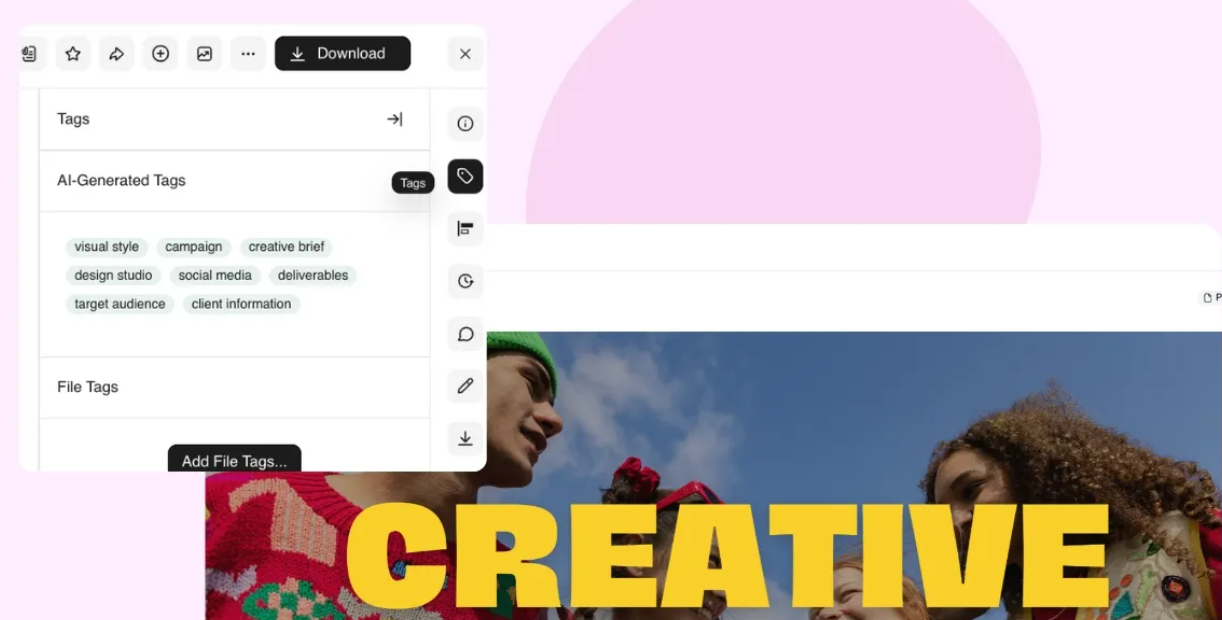
AI search and tagging are strong reasons to buy a modern DAM in the first place. Reported Canto plan descriptions place those capabilities in the upper tier structure, so they should be budgeted early if they're central to your workflow.
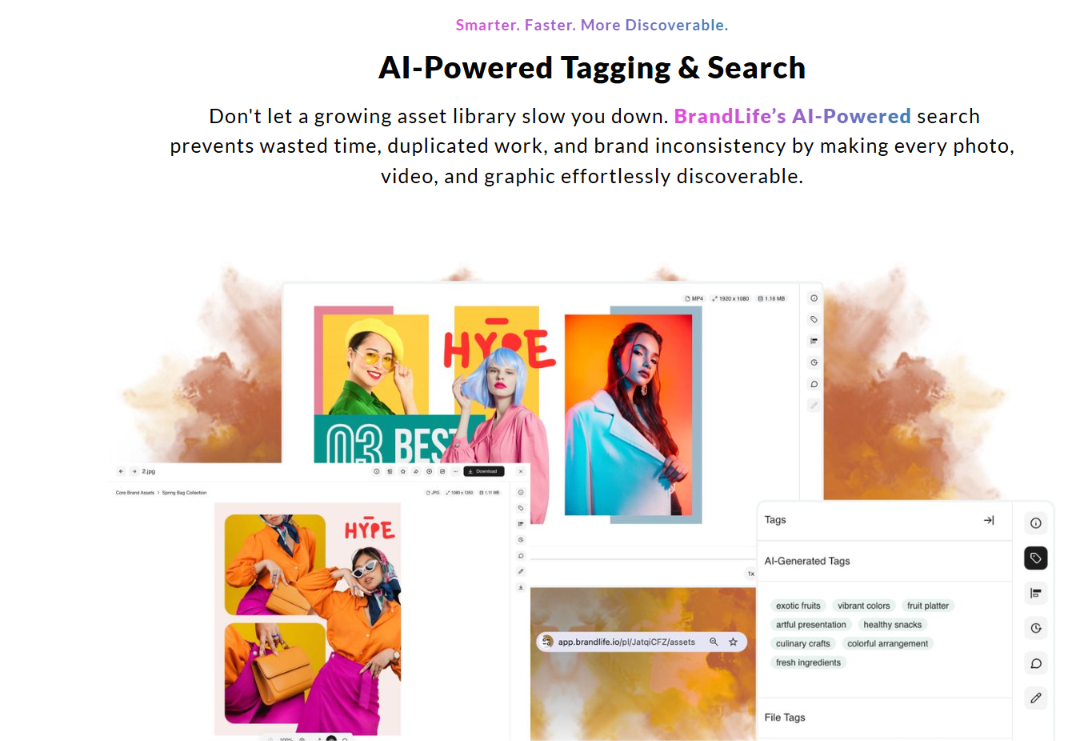
If faster search is part of the ROI story, compare the quote against alternatives that package AI differently. That keeps the buying decision focused on total cost and actual team usage.
4. Regional and sector pricing variation
Street pricing can vary by region and partner. Databasics, a Canto partner in Australia and New Zealand, advertises localized pricing and discounts for SMB and public-sector buyers.
That variation gives buyers room to negotiate. Ask about storage bands, seat packs, and multi-year discounts if your team expects steady growth.
How Canto Compares With Other DAM Options
The DAM market splits into a few clear pricing patterns. Canto sits in the custom-quote group, while lighter tools publish monthly tiers and developer-focused platforms lean on usage-based pricing.
Three common DAM pricing models, from custom quotes to published SMB tiers.
A Framework for Pricing Any DAM Vendor
A strong DAM budget starts with your own numbers first. Storage growth, seat mix, governance needs, and integration scope will tell you which tier fits before a salesperson does.
1. Storage trajectory and user ecosystem
Start with the two biggest variables. Measure your current library in terabytes, then project growth as video files and campaign variants add up.
Next, count your seat mix. Compare the likely number of editors, admins, and contributors against the number of people who only need viewing or download access.
2. Brand complexity and governance needs
List the brands, regions, and partner groups your team supports. A single in-house brand needs a different setup than a multi-brand company or franchise network. A regional restaurant group with 25 franchisees, for example, needs partner-facing access baked into the quote from day one, not added later as an upgrade.
Then rate your governance needs. Approval routing, audit controls, and stricter permissions usually push you toward higher tiers across the DAM market.
3. Workflow intensity and integrations
Look at how assets move through your team each month. High review volume and frequent updates usually call for stronger workflow features than a basic library provides.
Then map the systems that matter, from Adobe and Canva to your CMS or e-commerce platform. Ask whether the quoted package includes the connectors you need, and confirm any API limits in writing.
How BrandLife Prices DAM for Brand Teams
Many brand teams want one thing from a pricing page first, a real number. BrandLife publishes a clear starting plan, then gives growing teams a custom enterprise path when they need more brands, users, or security. BrandLife's YouTube channel, hosted by CMO Shannah, walks through this pricing philosophy directly, arguing that a brand team should be able to see its likely spend before booking a single call.
1. Two plans, published upfront
Starter runs $150 per month for one user and one brand. It includes 1 GB of storage, core DAM features, AI tagging, interactive brand guidelines, and integrations with tools like Google Drive, Dropbox, Canva, Figma, Slack, OneDrive, and SharePoint.
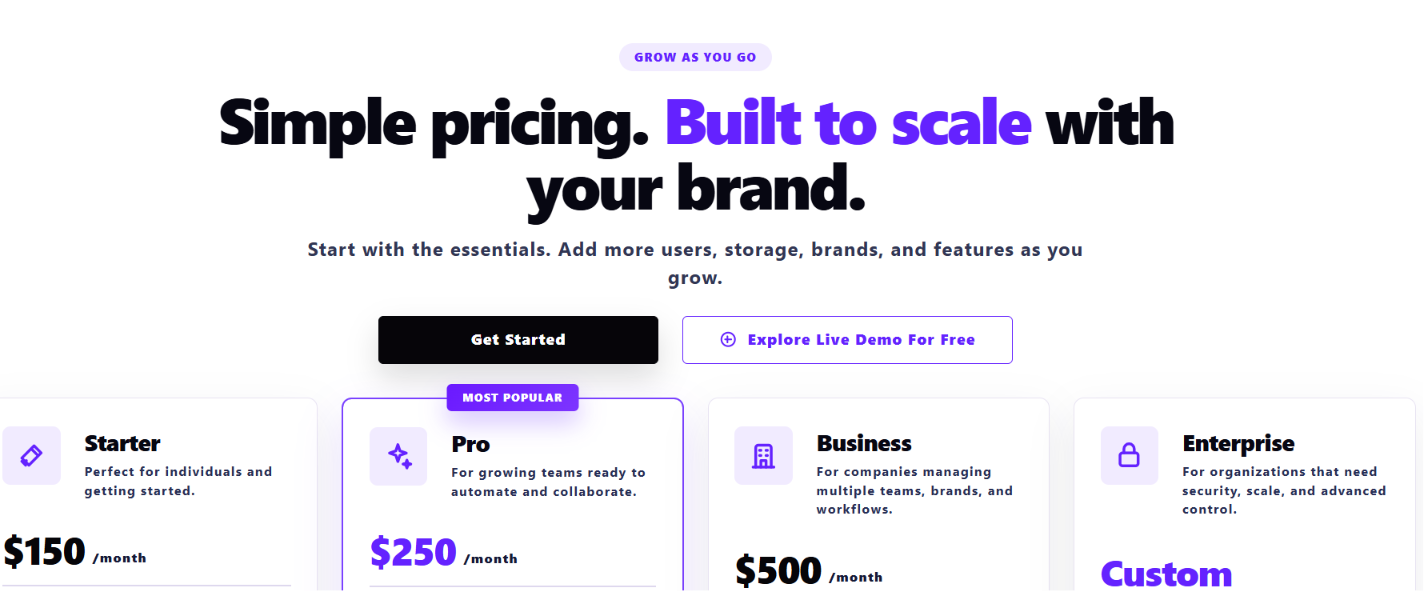
Enterprise uses custom pricing for teams that need unlimited users, unlimited brands, custom storage, advanced security, dedicated support, or custom integrations. You still get a public entry price before any sales conversation. A five-brand agency evaluating both Canto and BrandLife, for example, can build a real comparison spreadsheet against BrandLife on day one, while Canto's side of that sheet stays blank until a rep calls back.
2. Add-ons you pick instead of bundles you inherit
BrandLife keeps the base plan simple, then lets teams add the features they actually use. Marketplace options include Visual Search, Asset Expiration, Asset Watermarking, SSO, and Custom Roles & Permissions.
Expandable resources cover additional users, storage, brands, and AI credits. That keeps the upgrade path clear as your library and team grow.
3. Multi-brand workspaces without the enterprise quote
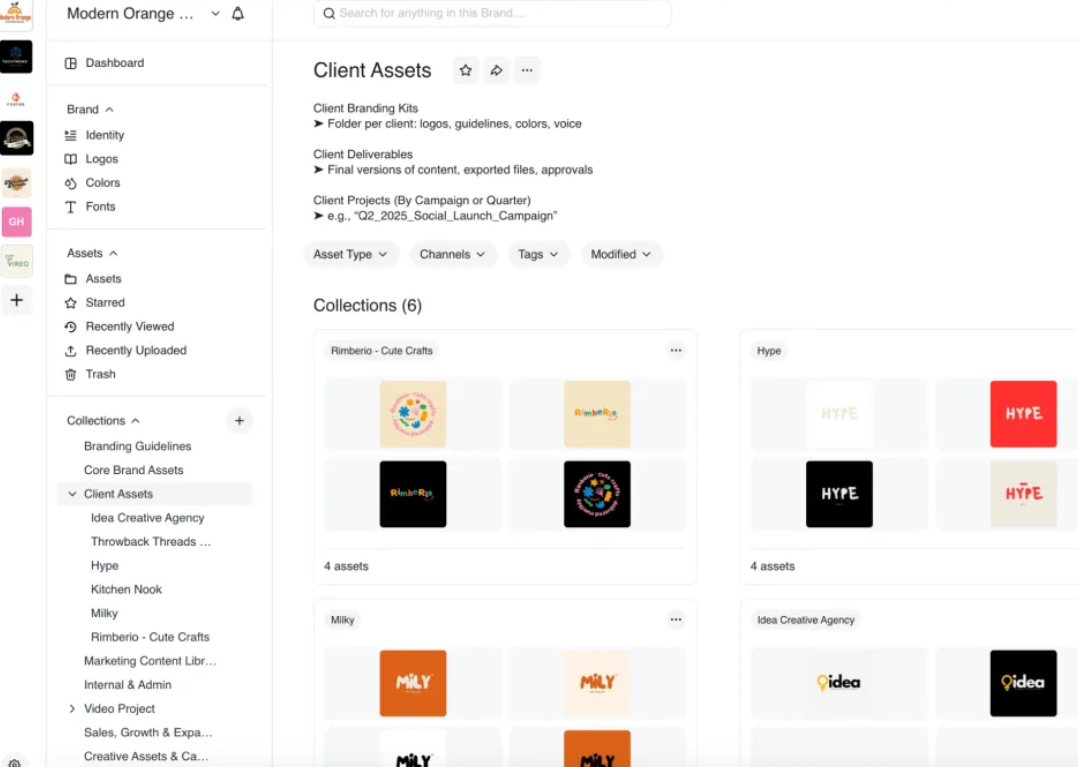
Multi-brand teams need cleaner structure than one crowded master library. Each client or sub-brand gets its own workspace with separate color palettes, font libraries, and asset storage.
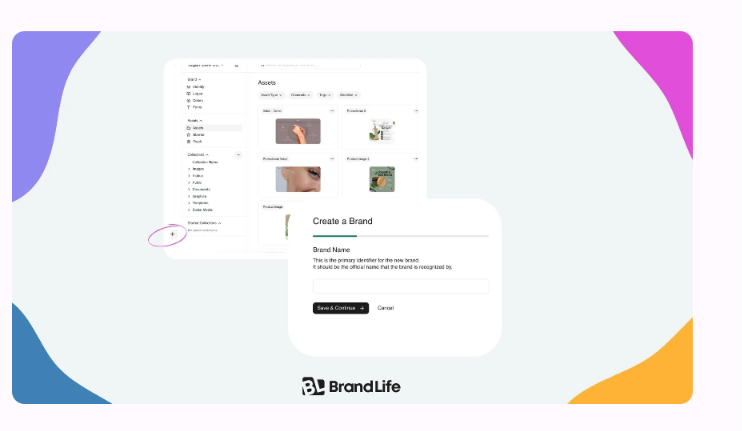
Partner distribution comes built in. Unlimited free brand portals let franchisees, resellers, and agencies access approved assets with secure sharing, expiration dates, and link controls. A Brand Manager at a multi-location retail company, described the effect on BrandLife's site: "The brand portals are a game changer for our franchisees. Everything they need is one click away."
The BrandLife product demo on YouTube shows this exact setup, walking through how a single asset collection gets shared externally without adding a partner as a full paid seat, the same kind of seat cost that drives Canto's power-user bill up.
Customers report the outcomes that make the spend easier to defend: 40% less time searching for assets, 6+ hours saved weekly per creative, 70% fewer asset-request emails, and 50% faster launch cycles.
Which DAM Pricing Model Fits Your Team
Canto pricing starts with a sales conversation, so early budgeting depends on reported market data instead of a public rate card. A realistic working range for smaller teams is $430 to $600 or more per month, while storage and power-user seats can move the total much higher.
Before you sign, map your storage growth, your seat mix, and the tier where AI or governance features begin. That work gives your team a stronger budget case and fewer surprises after rollout.
If transparent pricing and multi-brand workspaces is important to your team, BrandLife shows the number on day one. Starter is $150 a month, add-ons stay optional, and each brand gets its own workspace with interactive guidelines, AI search, and free partner portals.
Frequently Asked Questions
Does Canto offer a free trial or free plan?
Public listings describe Canto as custom-priced and sales-led, with no public free plan listed. Canto's pricing page directs buyers to sales for plan details. If a fixed entry price matters more, BrandLife's Starter plan lists $150 a month without a sales call.
How long does a typical DAM contract run?
Canto's public materials focus on custom quotes, so contract length is something to confirm early in the process. Ask whether the quoted price assumes an annual term or a multi-year commitment, and get storage and seat terms written into the agreement.
Can I move my assets off Canto later if I switch vendors?
Export and migration terms vary by vendor, so confirm how bulk export works before you sign. Ask whether metadata and folder structure move with the files or need rebuilding. Factoring migration into your total cost protects you at renewal.
What questions should I email Canto sales before a demo?
Start with storage pricing per TB and the overage rate. Then ask for the power-user versus viewer definitions, and which tier includes AI tagging. Confirm whether portal or guest access is metered. Request implementation and migration quotes as separate line items.
How much storage does a brand or creative team actually need?
Photo libraries, video files, and campaign variants add up quickly. Audit your current library in terabytes, then model 30 to 50% annual growth so the quote reflects where your team will be a year from now.
Is a lighter DAM enough, or do I need an enterprise tier?
Match the tool to your brand complexity. A single in-house team with simple sharing needs may do well with a lighter published-price DAM. Multi-brand approvals, partner portals, and stronger governance usually justify a more capable setup. BrandLife supports that middle ground with multi-brand workspaces and approval workflows.