
The Ultimate Guide to Brand Consistency with BrandLife

Build a unified, recognizable brand across every customer touchpoint

Key Takeways

  • Brand consistency directly influences trust, recognition, and customer loyalty, making it essential for long-term business growth and differentiation.
  • Scattered assets and outdated files are the biggest causes of inconsistency, and modern digital asset management tools like BrandLife solve this by centralizing and governing usage.
  • Measuring consistency with clear metrics, such as asset accuracy, template usage, and version error reduction, turns branding into a data-driven discipline.
  • With the right guidelines, systems, and collaboration workflows, even fast-scaling teams can maintain creative control across channels, markets, and formats.

Consistent branding is one of the strongest signals of trust a business can communicate. It influences how audiences perceive you, whether they recognize you across channels, and whether your messaging connects in a meaningful way. 

As marketing teams scale their content output, brand consistency often becomes harder to manage—especially when assets live across scattered storage tools, outdated folders, or personal drives.

This guide explains what brand consistency truly means, why it matters for business growth, and how to maintain it across every touchpoint. 

Additionally, you’ll see how BrandLife, a modern digital asset management (DAM) platform, helps marketing and creative teams maintain strong, reliable branding across platforms by centralizing assets and providing a simple way to govern usage.

What Is Brand Consistency?

Brand consistency refers to presenting your brand the same way every time someone encounters it—visually, verbally, and emotionally. Whether someone sees your social post, website banner, packaging, or email header, the brand should feel unified.

Consistency helps your audience easily recognize you. It also prevents mixed messages that can dilute your identity. In practical terms, it includes the alignment of:

  • Logos and logo variations
  • Color palettes and typography
  • Tone of voice
  • Messaging and value propositions
  • Photography styles
  • Templates for campaigns

Inconsistent branding is a common challenge for teams that rely on scattered storage and outdated assets. It results in confusion, errors, and content that feels off-brand.

With the right foundation, i.e., a digital asset management system like BrandLife, teams can maintain a stable identity across every channel.
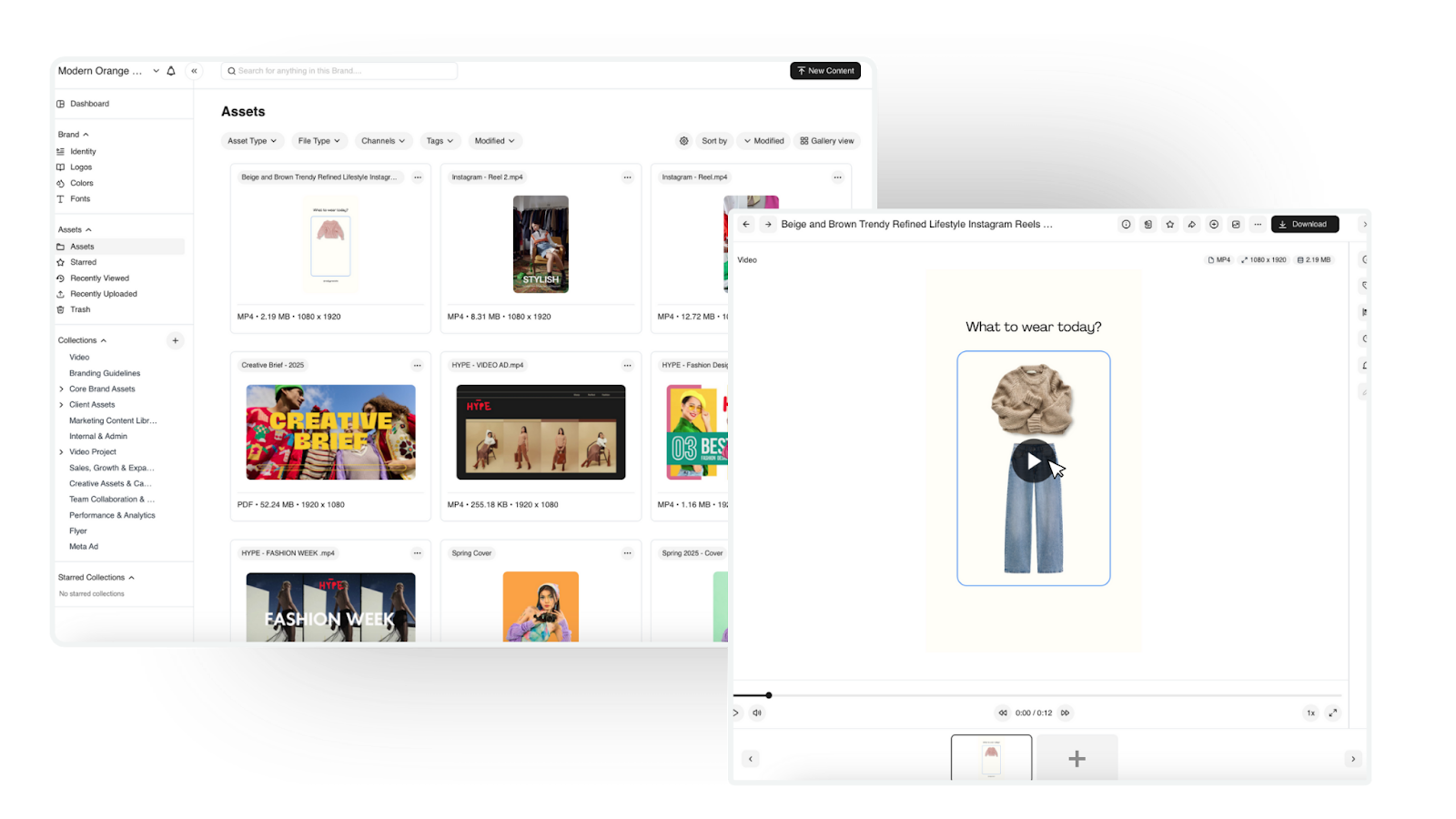
BrandLife's digital asset management software dashboard
BrandLife’s centralized hub for all your digital assets, including images, videos, and documents, in BrandLife 

Why Is Brand Consistency Important?

Maintaining brand consistency shapes how audiences perceive your brand, influences trust, and directly impacts long-term business performance.

Here’s why every brand needs to focus on consistency. 

Building trust and recognition

Studies consistently show that trust is built through repeated, unified experiences. Marq (formerly Lucidpress) survey revealed that businesses with consistent branding experience 33% higher revenue compared to ones with off-brand content. It is largely because customers are more likely to choose brands they recognize.

Well-known brands like Google maintain standard color systems, typography, and UI patterns across all interfaces and campaigns, reinforcing instant recognition. This repetition makes the brand memorable.

Supporting business growth

Brand consistency affects loyalty and customer lifetime value. Study revealed that companies with consistent brand expression outperform competitors by 22% in growth metrics due to stronger customer affinity and retention.

When your messaging and visual identity align across channels, audiences feel more confident engaging, buying, and recommending.

Ensuring competitive advantage

In markets where competing products can feel similar, consistent branding becomes a differentiator. Nike is a prime example: its retail, digital, and marketing teams operate using the same centralized brand ecosystem, which keeps campaigns unified globally.

Consistency makes Nike’s identity unmistakable, no matter the region or channel.

For marketing teams, especially agencies or fast-growing businesses, maintaining brand consistency can be the difference between staying relevant and blending into the noise.

Key Elements of Brand Consistency

Brand consistency relies on several core elements working together seamlessly to create a unified brand experience across every customer touchpoint.

Brand messaging

Your messaging should communicate the same promise, tone, and personality wherever it appears. If your website highlights simplicity, your product pages, emails, and social captions should echo that message. Misaligned copy confuses customers and weakens brand clarity.

BrandLife supports unified messaging by storing brand guidelines and messaging frameworks directly in the platform, giving every team member the same reference point.
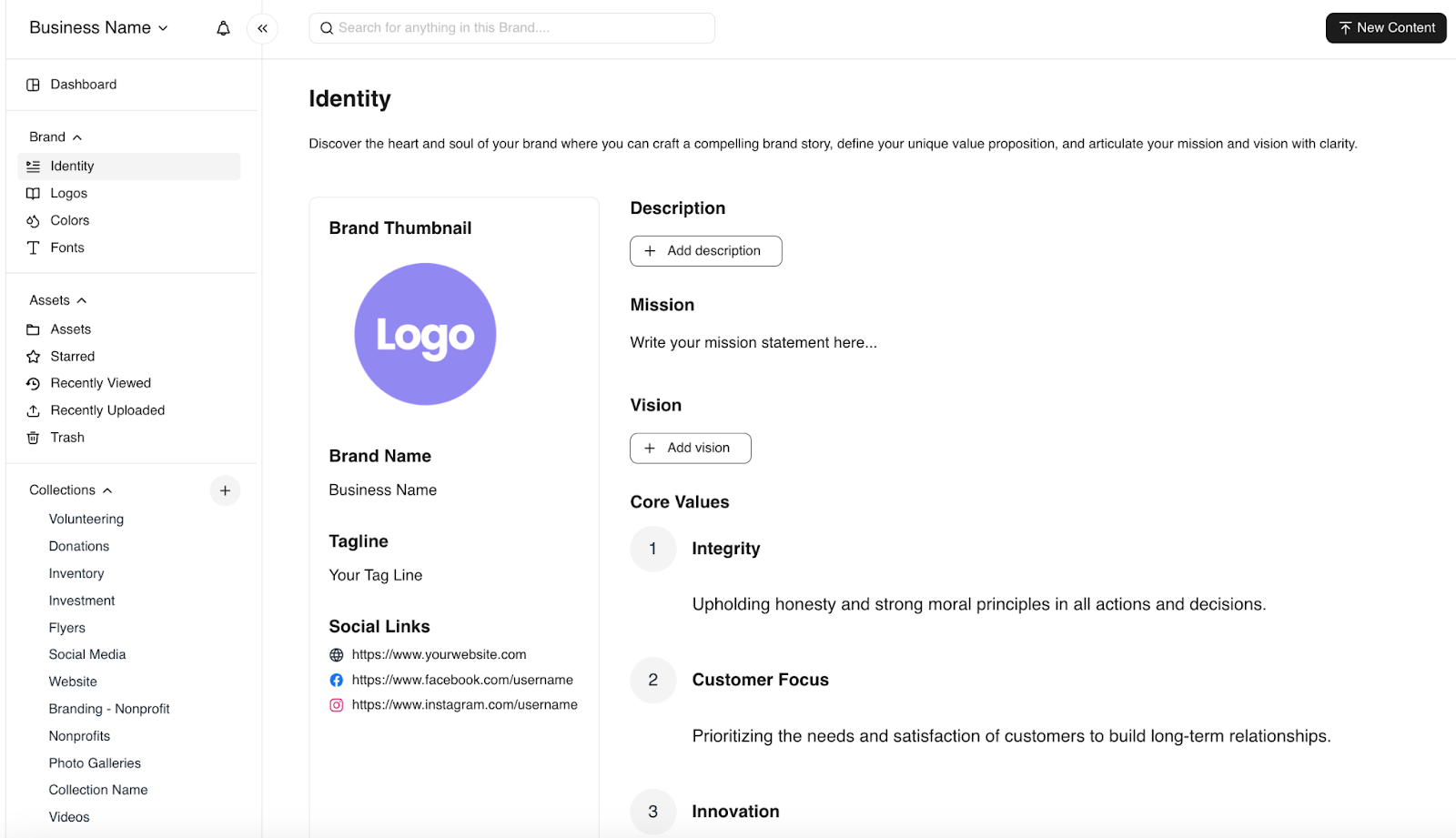
maintain brand identity by storing guidelines on BrandLife's portal
BrandLife’s Brand Guideline portal, where you can store the brand’s core statements, including value, mission, and vision

Visual identity

Visual consistency covers your logo usage, colors, layouts, patterns, and imagery styles. These elements should never vary across teams or campaigns unless part of a controlled update.

BrandLife’s branding guideline portal acts as a centralized source of truth—making the most recent assets, colors, and fonts easily shareable with internal and external partners.
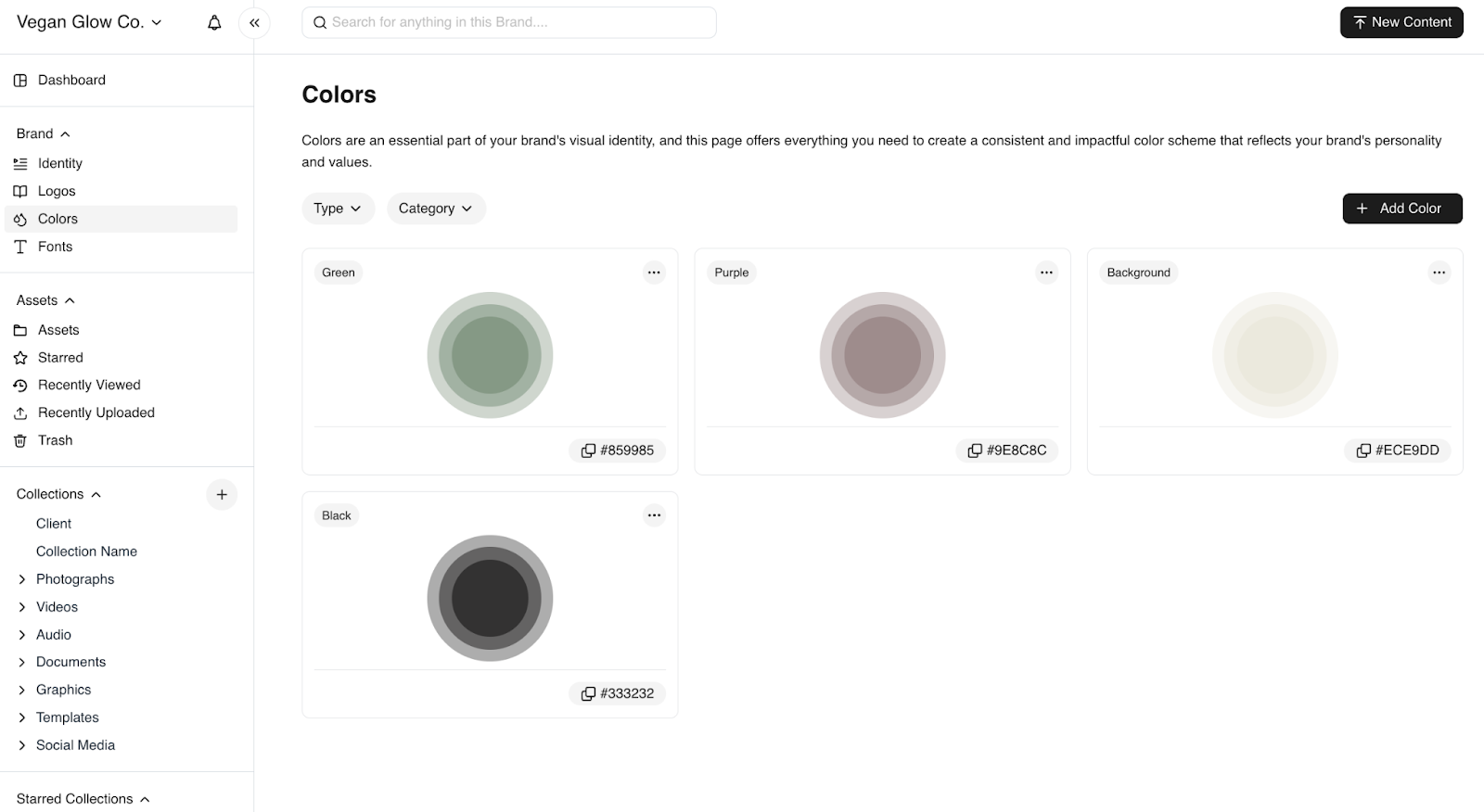
BrandLife's brand guideline portal
Maintain your brand identity by storing all your visual branding guides in one place

Tone of voice

Your brand voice should feel stable, no matter who creates content. Teams that lack a documented voice guide often end up with uneven communication across platforms.

Examples:

  • Calm, friendly voice for wellness brands
  • Confident, energetic voice for fashion labels
  • Conversational tone for SaaS companies

A shared tone guide helps teams write in one unified language.
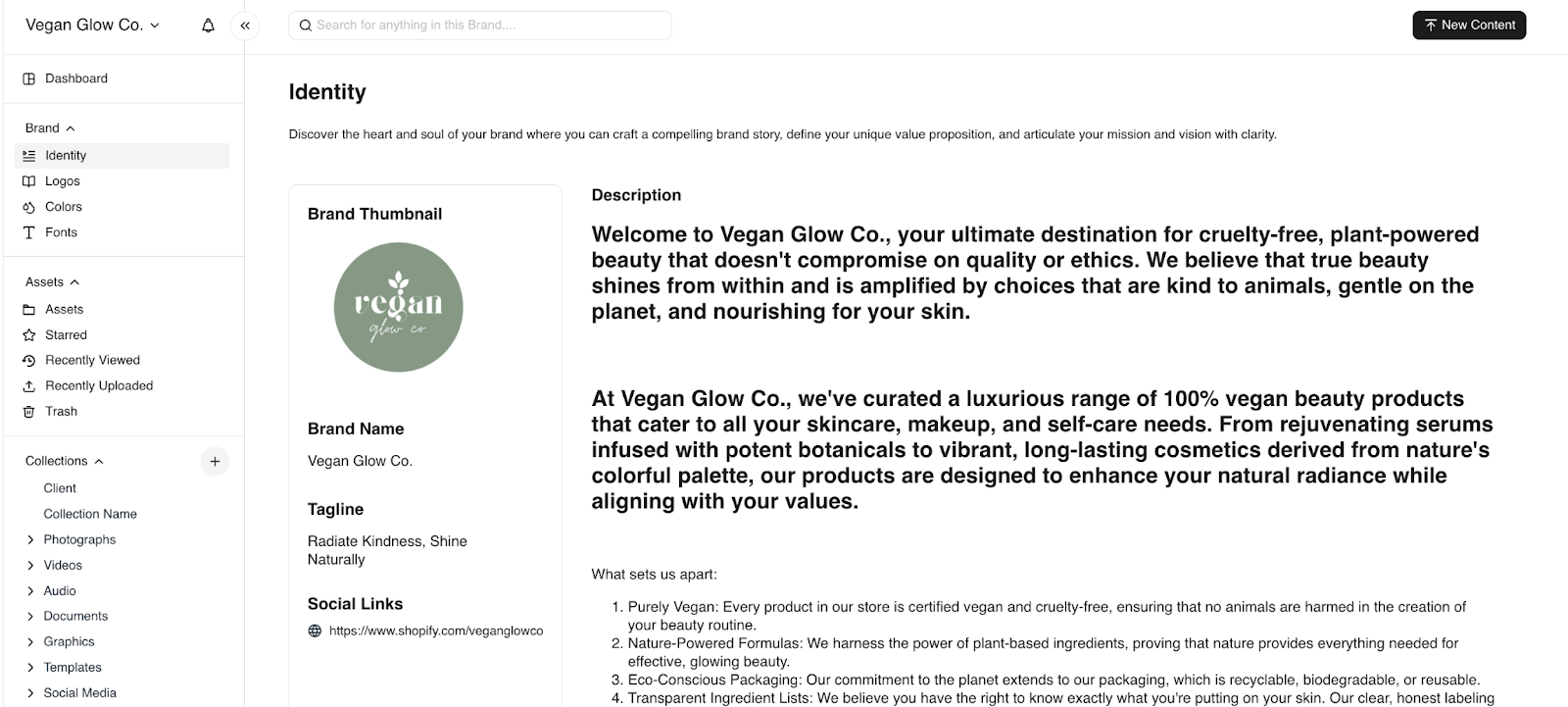
BrandLife's DAM platform
BrandLife’s portal to store your brand messaging and tone 

Digital presence

Your website, social profiles, paid ads, newsletters, and even onboarding flows should feel like extensions of the same brand. Elements like spacing, colors, and layout patterns should follow documented rules.

Digital asset management platforms like BrandLife help teams stay visually aligned by storing approved templates, collections, and campaign-ready assets in organized, searchable libraries.

BrandLife's integration with Canva, enabling seamless collaboration
BrandLife’s Canva integration enables you to design, approve, and share templates without leaving the dashboard

How to Achieve Brand Consistency

Achieving brand consistency requires clear standards, aligned teams, and the right systems to guide execution across every platform and touchpoint.

Here’s a simple three-step guide to achieve consistency. 

1. Create brand guidelines

A comprehensive brand guideline—covering visuals, tone, typography, templates, and usage rules—acts like an instruction manual for anyone creating content. It gives clarity to internal teams, freelancers, and external vendors.

Good guidelines also evolve, so they stay relevant as channels, formats, and content needs change.

Many brands struggle because their guidelines exist only as PDFs lost in email threads. With BrandLife, guidelines live in a dedicated portal accessible to everyone, ensuring teams always reference the latest version.

2. Utilize digital asset management tools

When assets are scattered across drives, chats, or emails, consistency is impossible. 

A digital asset management platform like BrandLife centralizes all approved assets — logos, templates, images, fonts. 
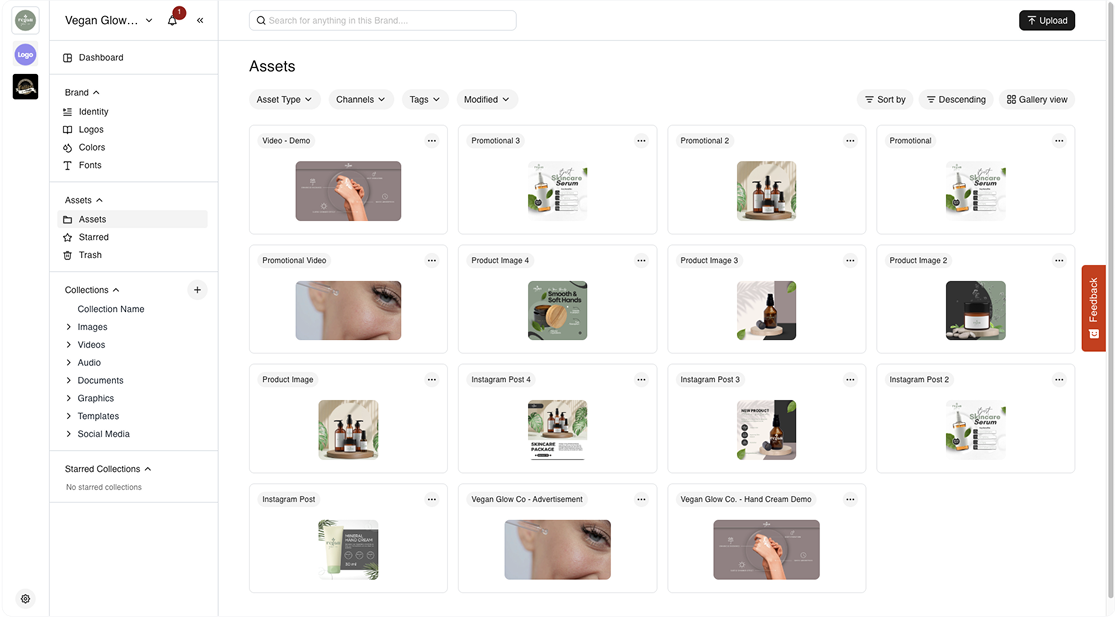
BrandLife's dashboard screenshot
BrandLife’s digital asset centralized storage 

Besides, its version control and workflow approval system make it easy for creative teams to use the latest version of the asset. This reduces errors, boosts efficiency, and keeps branding unified across all materials.

💡 After adopting BrandLife, the ABARA Marketing Group managed to reduce its brand inconsistency by 30%. The streamlined process also enabled them to launch their campaign a week ahead of the scheduled time.

3. Provide training and communication

Brand consistency is a team-wide responsibility. When teams aren’t trained, they improvise, which leads to inconsistencies.

Ensure your brand education includes:

  • Onboarding sessions for new hires
  • Easy-to-access documentation
  • Quick reference sheets for designers, marketers, and partners
  • Updates whenever guidelines change

When guidelines live inside a digital asset management system like BrandLife, training becomes easier—everything is visible, accessible, and unified.

Challenges in Maintaining Brand Consistency

While brand consistency is essential, many companies struggle to uphold it across every touchpoint and team involved in content creation. 

Here are some of the common challenges in maintaining consistency. 

Multi-channel branding

Brands today publish content across dozens of channels: email, social platforms, marketplaces, events, PR, and paid advertising. Each channel has different formats, sizes, and creative constraints.

Without clear workflows, teams may adapt assets manually and unintentionally lose consistency. Using a digital asset management solution ensures that only approved assets, resized correctly, move through the pipeline.

Global and local branding

Localization can create inconsistency when regional teams create their own versions of brand elements. This often leads to misaligned imagery, messaging, or typography.

BrandLife’s permissions, version control, and structured asset collections help local teams work within approved guardrails.
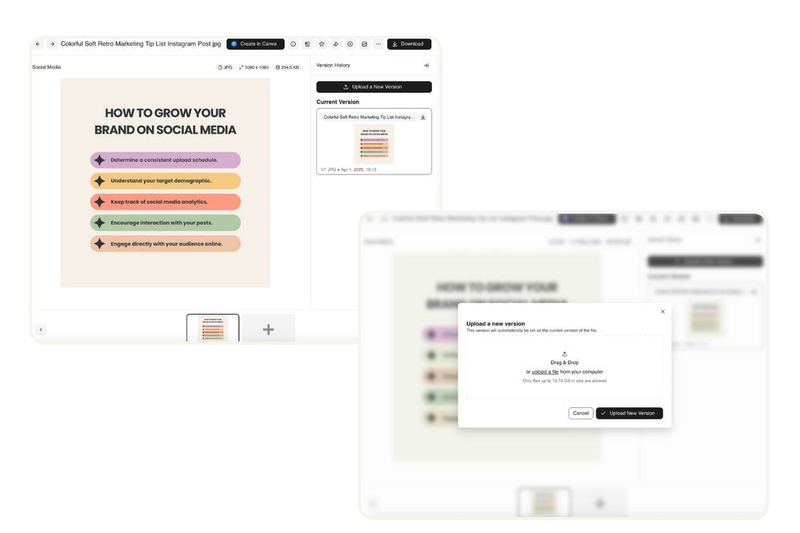
Manage your brand consistency with BrandLife's version control feature
BrandLife’s version control feature ensures consistency

Rebranding and adaptation

Rebranding is risky because outdated assets often slip back into circulation. Without centralized governance, inconsistencies can last months.

BrandLife simplifies rebrands by:

  • Replacing old assets across the library
  • Automatically tagging new versions
  • Providing brand-wide updates through guidelines
  • Controlling access to outdated content

This allows teams to reset branding quickly and cleanly.
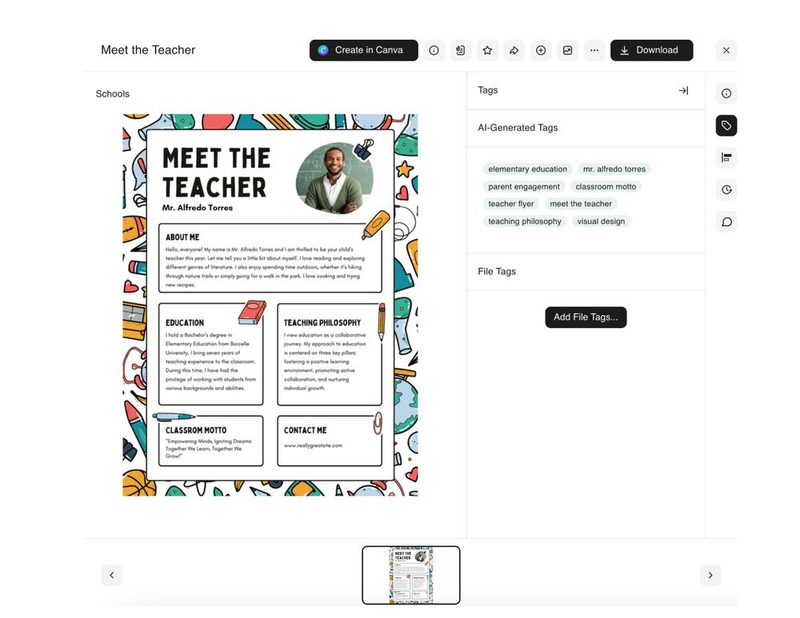
BrandLife's cloud DAM feature – AI tagging and smart search
BrandLife automatically assigns relevant tags to streamline asset organization

How to Measure Brand Consistency

To improve brand consistency, you need clear visibility into how well your brand is performing across teams, channels, and assets. Tracking the right metrics turns brand consistency from a subjective concept into measurable, data-driven progress.

Key metrics to measure brand consistency

Consistency can be measured through both quantitative and qualitative indicators:

  • Asset accuracy rate: Percentage of assets used that match approved brand guidelines.
  • Search time reduction: How much less time teams spend hunting for the right asset.
  • Template usage rate: Share of content created using approved templates.
  • Version error reduction: Drop in the use of outdated or incorrect asset versions.
  • Compliance score: Share of campaigns or materials that meet brand guidelines on first submission.

Many of these metrics can be monitored through BrandLife’s analytics and reporting features, which highlight asset usage, performance trends, and team behaviors.

Role of feedback and adjustments in maintaining consistency

Metrics tell you what happened; feedback from internal teams and customers tells you why. 

Conduct periodic brand audits, gather internal feedback, and review content performance to catch drift early. Then update guidelines, retrain teams, or refine workflows supported by BrandLife to stay aligned.

Brand Consistency Success Stories

Here are some global giants examples that show brand consistency done right:
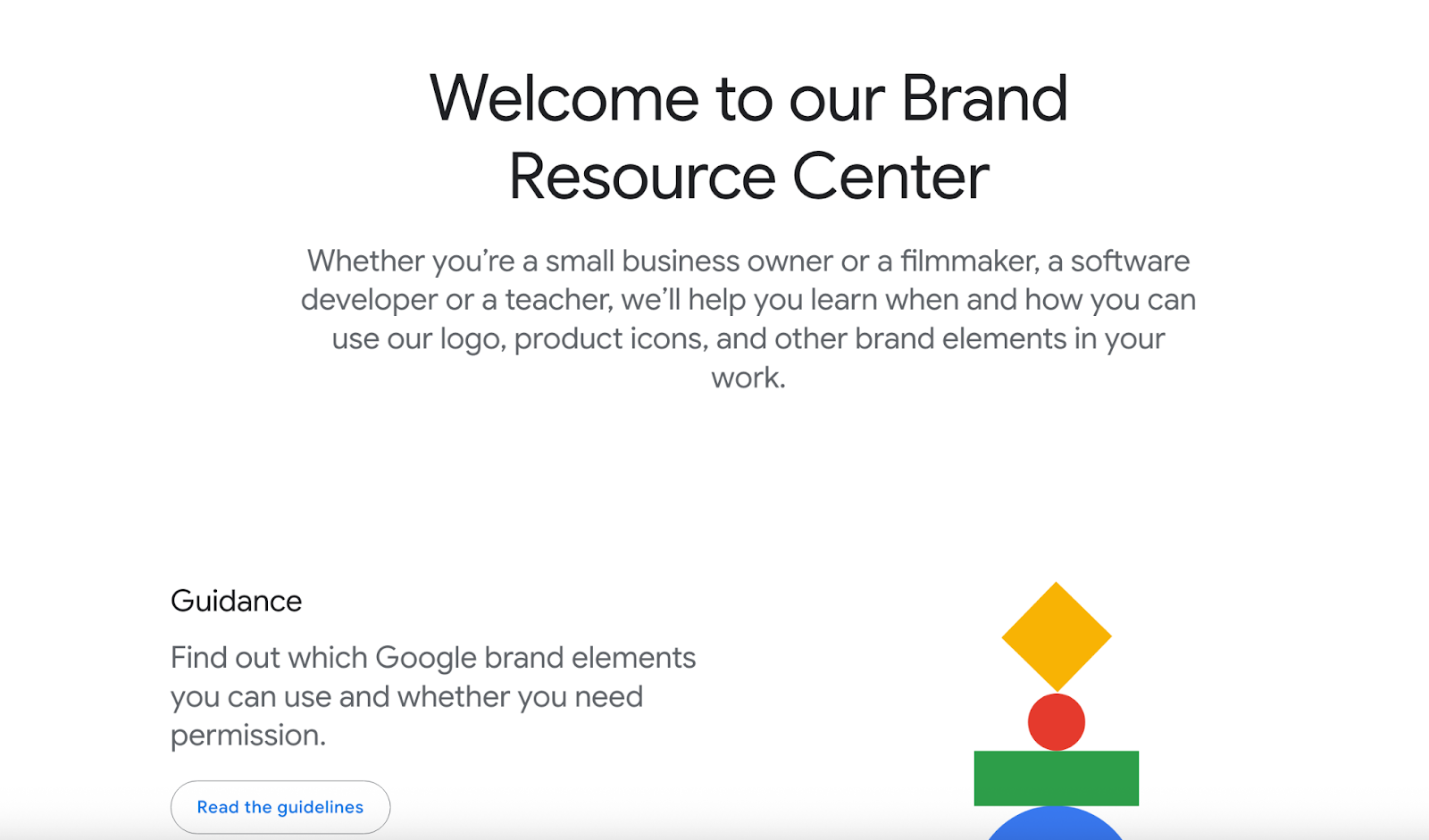
Google

Google brand resource center

Google maintains one of the most consistent visual identities in the world—from Material Design to its iconography system. Every update is rolled out globally and reflected in all products, ensuring users always feel a unified experience.

Nike
Nike visual identity files

Nike’s marketing, retail, and digital teams operate from a centralized ecosystem that governs creative assets worldwide. This ensures campaigns feel identical in Japan, the US, or Europe—a global consistency strategy highlighted in their annual report.

Apple

Apple brand identity logo

Apple’s strict design rules on photography, product angles, typography, and tone influence every campaign. Whether on a billboard or a landing page, the brand feels unmistakably “Apple”—a prime example of disciplined consistency.

These cases show that even when operating on a global scale, it’s possible to maintain brand consistency. And how consistency drives real business value when applied methodically.

Final Thoughts: Elevate Your Brand Identity with BrandLife

Brand consistency isn’t just about looking polished—it’s about creating trust, accelerating growth, and standing apart in competitive markets. 

With stronger visual cohesion and a unified message, brands become easier for customers to recognize, prefer, and remember.

Modern marketing teams need a simple way to maintain that level of consistency. BrandLife brings a solid digital asset management solution so teams can produce aligned, on-brand work every time.

Here are some of its features: 

External link sharing
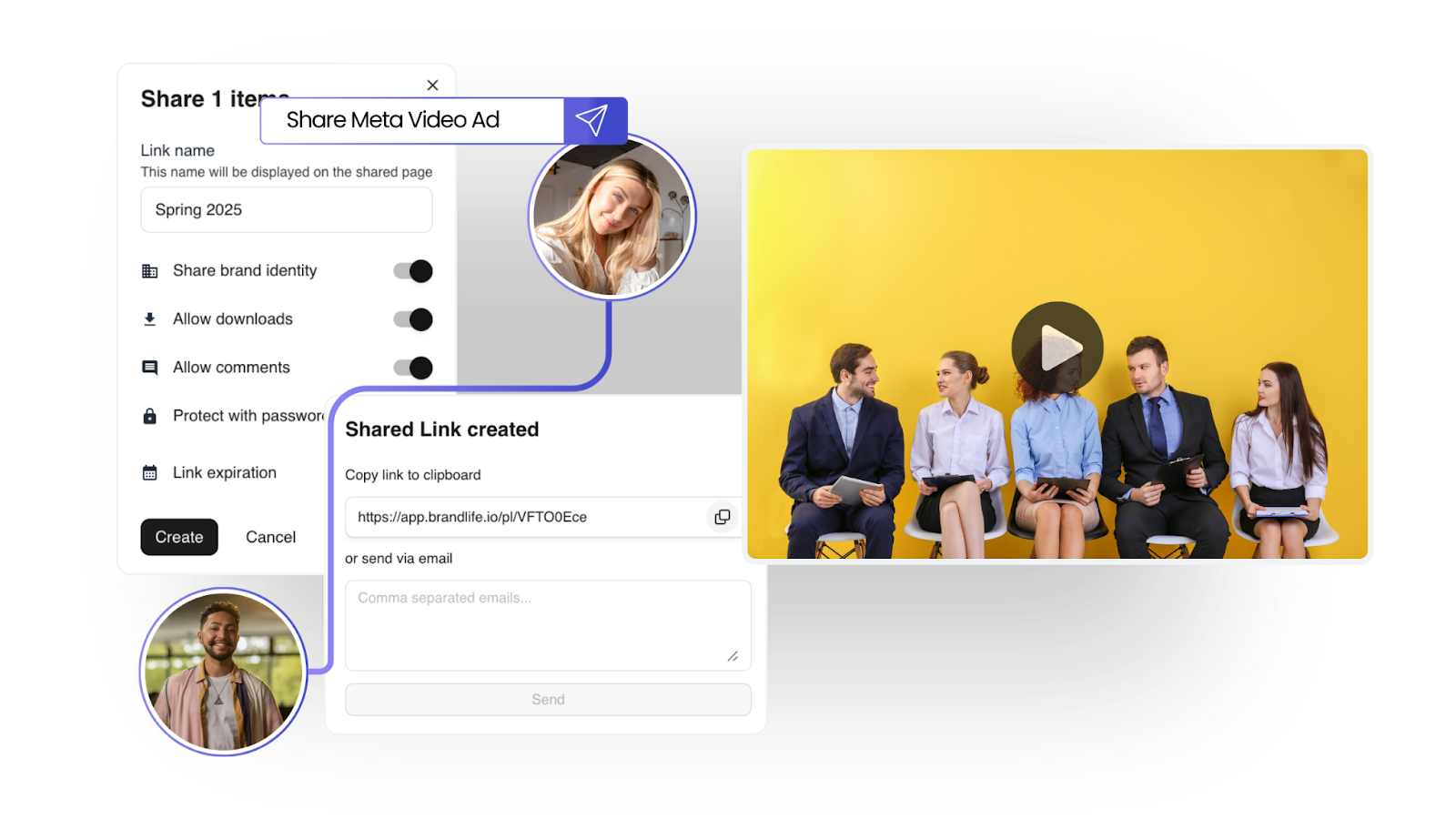
BrandLife's DAM collaboration feature
BrandLife’s shareable link feature simplifies collaboration with internal and external stakeholders

BrandLife lets teams securely share assets with external partners through expiring links, ensuring control even after files leave your workspace. You decide access levels, duration, and permissions—protecting brand integrity without slowing collaboration.

Seamless integration
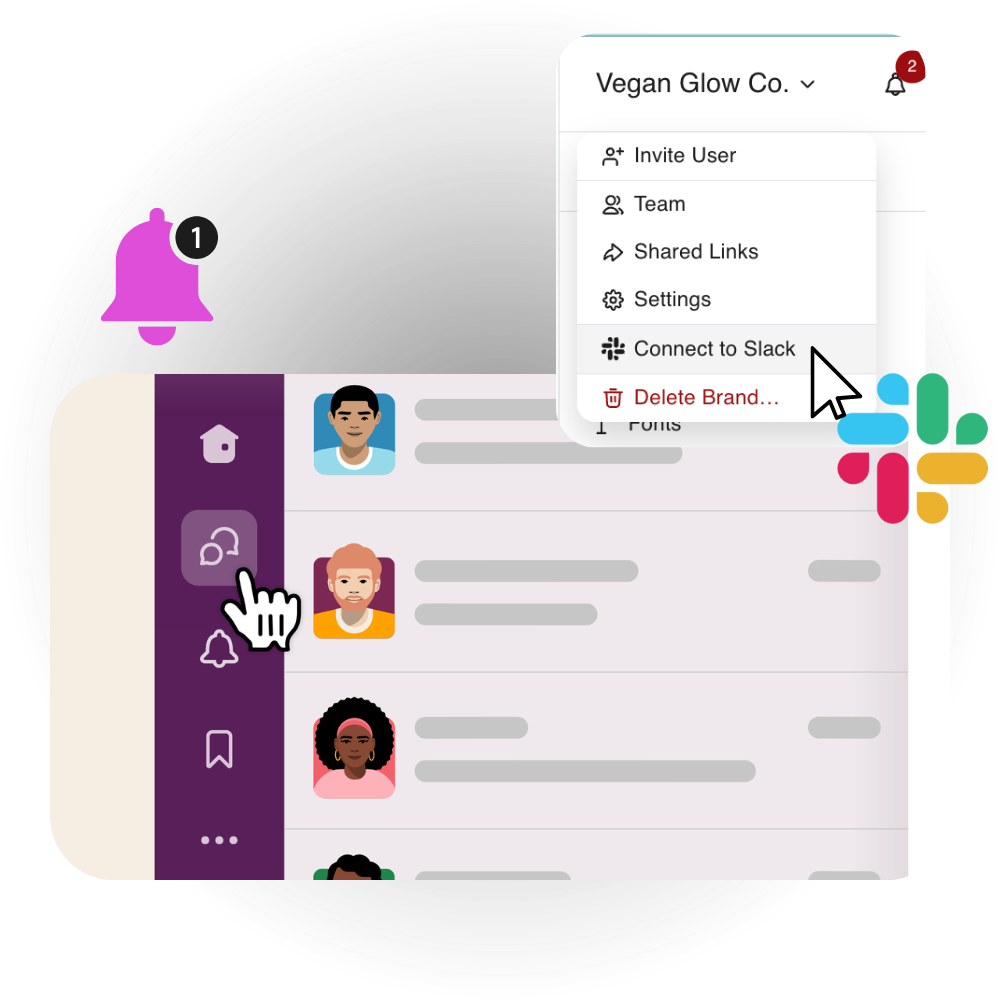
Brandlife screenshot of how it integrates with Slack for team communication
BrandLife connects with Slack to streamline real-time updates and prompt messaging within the workspace

BrandLife connects smoothly with tools your teams already use—design apps, messaging platforms, and productivity systems—eliminating constant switching. Workflows stay aligned, and assets stay consistent, no matter where work happens.

Real-time collaboration

BrandLife's approval workflow feature for enhancing productivity
BrandLife’s contextual commenting and approval workflow ensures brand governance

With BrandLife’s contextual commenting, feedback happens directly on images, videos, and documents—keeping conversations organized and tied to the correct asset. This reduces back-and-forth, shortens review cycles, and improves creative accuracy.

If you’re ready to bring clarity, alignment, and governance to your brand, start your 14-day free BrandLife trial today.

Frequently Asked Questions

How does brand consistency impact customer loyalty?

Brand consistency helps customers recognize and trust your brand across every interaction. When messaging, visuals, and experiences feel unified, customers perceive the brand as reliable—leading to stronger loyalty and repeat engagement.

What tools can help maintain brand consistency?

Effective tools include digital asset management platforms, brand guideline portals, collaboration tools, and template libraries. A solution like BrandLife centralizes assets, enforces brand rules, and streamlines approvals, making consistency easier to maintain at scale.

What are the first steps to achieving brand consistency?

Start by defining clear brand guidelines, organizing all assets in a single source of truth, and training teams on usage rules. Establish approval workflows and templates early so everyone creates and publishes from the same foundation.

Related

See more
The Ultimate Guide to Maintaining Brand Consistency Across Platforms

The Ultimate Guide to Maintaining Brand Consistency Across Platforms

Ensuring Brand Consistency: A Comprehensive Guide

Ensuring Brand Consistency: A Comprehensive Guide

The Ultimate Guide to Brand Consistency with BrandLife

The Ultimate Guide to Brand Consistency with BrandLife

Ready to make your brand unstoppable?

Try it free or request a quote. Let’s build your brand’s next.

The Ultimate Guide to Brand Consistency with BrandLife

Build a unified, recognizable brand across every customer touchpoint
Start Free TrialDownload Free PDF
The Ultimate Guide to Brand Consistency with BrandLife

Key Takeways

  • Brand consistency directly influences trust, recognition, and customer loyalty, making it essential for long-term business growth and differentiation.
  • Scattered assets and outdated files are the biggest causes of inconsistency, and modern digital asset management tools like BrandLife solve this by centralizing and governing usage.
  • Measuring consistency with clear metrics, such as asset accuracy, template usage, and version error reduction, turns branding into a data-driven discipline.
  • With the right guidelines, systems, and collaboration workflows, even fast-scaling teams can maintain creative control across channels, markets, and formats.

Consistent branding is one of the strongest signals of trust a business can communicate. It influences how audiences perceive you, whether they recognize you across channels, and whether your messaging connects in a meaningful way. 

As marketing teams scale their content output, brand consistency often becomes harder to manage—especially when assets live across scattered storage tools, outdated folders, or personal drives.

This guide explains what brand consistency truly means, why it matters for business growth, and how to maintain it across every touchpoint. 

Additionally, you’ll see how BrandLife, a modern digital asset management (DAM) platform, helps marketing and creative teams maintain strong, reliable branding across platforms by centralizing assets and providing a simple way to govern usage.

What Is Brand Consistency?

Brand consistency refers to presenting your brand the same way every time someone encounters it—visually, verbally, and emotionally. Whether someone sees your social post, website banner, packaging, or email header, the brand should feel unified.

Consistency helps your audience easily recognize you. It also prevents mixed messages that can dilute your identity. In practical terms, it includes the alignment of:

  • Logos and logo variations
  • Color palettes and typography
  • Tone of voice
  • Messaging and value propositions
  • Photography styles
  • Templates for campaigns

Inconsistent branding is a common challenge for teams that rely on scattered storage and outdated assets. It results in confusion, errors, and content that feels off-brand.

With the right foundation, i.e., a digital asset management system like BrandLife, teams can maintain a stable identity across every channel.

BrandLife's digital asset management software dashboard
BrandLife’s centralized hub for all your digital assets, including images, videos, and documents, in BrandLife 

Why Is Brand Consistency Important?

Maintaining brand consistency shapes how audiences perceive your brand, influences trust, and directly impacts long-term business performance.

Here’s why every brand needs to focus on consistency. 

Building trust and recognition

Studies consistently show that trust is built through repeated, unified experiences. Marq (formerly Lucidpress) survey revealed that businesses with consistent branding experience 33% higher revenue compared to ones with off-brand content. It is largely because customers are more likely to choose brands they recognize.

Well-known brands like Google maintain standard color systems, typography, and UI patterns across all interfaces and campaigns, reinforcing instant recognition. This repetition makes the brand memorable.

Supporting business growth

Brand consistency affects loyalty and customer lifetime value. Study revealed that companies with consistent brand expression outperform competitors by 22% in growth metrics due to stronger customer affinity and retention.

When your messaging and visual identity align across channels, audiences feel more confident engaging, buying, and recommending.

Ensuring competitive advantage

In markets where competing products can feel similar, consistent branding becomes a differentiator. Nike is a prime example: its retail, digital, and marketing teams operate using the same centralized brand ecosystem, which keeps campaigns unified globally.

Consistency makes Nike’s identity unmistakable, no matter the region or channel.

For marketing teams, especially agencies or fast-growing businesses, maintaining brand consistency can be the difference between staying relevant and blending into the noise.

Key Elements of Brand Consistency

Brand consistency relies on several core elements working together seamlessly to create a unified brand experience across every customer touchpoint.

Brand messaging

Your messaging should communicate the same promise, tone, and personality wherever it appears. If your website highlights simplicity, your product pages, emails, and social captions should echo that message. Misaligned copy confuses customers and weakens brand clarity.

BrandLife supports unified messaging by storing brand guidelines and messaging frameworks directly in the platform, giving every team member the same reference point.

maintain brand identity by storing guidelines on BrandLife's portal
BrandLife’s Brand Guideline portal, where you can store the brand’s core statements, including value, mission, and vision

Visual identity

Visual consistency covers your logo usage, colors, layouts, patterns, and imagery styles. These elements should never vary across teams or campaigns unless part of a controlled update.

BrandLife’s branding guideline portal acts as a centralized source of truth—making the most recent assets, colors, and fonts easily shareable with internal and external partners.

BrandLife's brand guideline portal
Maintain your brand identity by storing all your visual branding guides in one place

Tone of voice

Your brand voice should feel stable, no matter who creates content. Teams that lack a documented voice guide often end up with uneven communication across platforms.

Examples:

  • Calm, friendly voice for wellness brands
  • Confident, energetic voice for fashion labels
  • Conversational tone for SaaS companies

A shared tone guide helps teams write in one unified language.

BrandLife's DAM platform
BrandLife’s portal to store your brand messaging and tone 

Digital presence

Your website, social profiles, paid ads, newsletters, and even onboarding flows should feel like extensions of the same brand. Elements like spacing, colors, and layout patterns should follow documented rules.

Digital asset management platforms like BrandLife help teams stay visually aligned by storing approved templates, collections, and campaign-ready assets in organized, searchable libraries.

BrandLife's integration with Canva, enabling seamless collaboration
BrandLife’s Canva integration enables you to design, approve, and share templates without leaving the dashboard

How to Achieve Brand Consistency

Achieving brand consistency requires clear standards, aligned teams, and the right systems to guide execution across every platform and touchpoint.

Here’s a simple three-step guide to achieve consistency. 

1. Create brand guidelines

A comprehensive brand guideline—covering visuals, tone, typography, templates, and usage rules—acts like an instruction manual for anyone creating content. It gives clarity to internal teams, freelancers, and external vendors.

Good guidelines also evolve, so they stay relevant as channels, formats, and content needs change.

Many brands struggle because their guidelines exist only as PDFs lost in email threads. With BrandLife, guidelines live in a dedicated portal accessible to everyone, ensuring teams always reference the latest version.

2. Utilize digital asset management tools

When assets are scattered across drives, chats, or emails, consistency is impossible. 

A digital asset management platform like BrandLife centralizes all approved assets — logos, templates, images, fonts. 

BrandLife's dashboard screenshot
BrandLife’s digital asset centralized storage 

Besides, its version control and workflow approval system make it easy for creative teams to use the latest version of the asset. This reduces errors, boosts efficiency, and keeps branding unified across all materials.

💡 After adopting BrandLife, the ABARA Marketing Group managed to reduce its brand inconsistency by 30%. The streamlined process also enabled them to launch their campaign a week ahead of the scheduled time.

3. Provide training and communication

Brand consistency is a team-wide responsibility. When teams aren’t trained, they improvise, which leads to inconsistencies.

Ensure your brand education includes:

  • Onboarding sessions for new hires
  • Easy-to-access documentation
  • Quick reference sheets for designers, marketers, and partners
  • Updates whenever guidelines change

When guidelines live inside a digital asset management system like BrandLife, training becomes easier—everything is visible, accessible, and unified.

Challenges in Maintaining Brand Consistency

While brand consistency is essential, many companies struggle to uphold it across every touchpoint and team involved in content creation. 

Here are some of the common challenges in maintaining consistency. 

Multi-channel branding

Brands today publish content across dozens of channels: email, social platforms, marketplaces, events, PR, and paid advertising. Each channel has different formats, sizes, and creative constraints.

Without clear workflows, teams may adapt assets manually and unintentionally lose consistency. Using a digital asset management solution ensures that only approved assets, resized correctly, move through the pipeline.

Global and local branding

Localization can create inconsistency when regional teams create their own versions of brand elements. This often leads to misaligned imagery, messaging, or typography.

BrandLife’s permissions, version control, and structured asset collections help local teams work within approved guardrails.

Manage your brand consistency with BrandLife's version control feature
BrandLife’s version control feature ensures consistency

Rebranding and adaptation

Rebranding is risky because outdated assets often slip back into circulation. Without centralized governance, inconsistencies can last months.

BrandLife simplifies rebrands by:

  • Replacing old assets across the library
  • Automatically tagging new versions
  • Providing brand-wide updates through guidelines
  • Controlling access to outdated content

This allows teams to reset branding quickly and cleanly.

BrandLife's cloud DAM feature – AI tagging and smart search
BrandLife automatically assigns relevant tags to streamline asset organization

How to Measure Brand Consistency

To improve brand consistency, you need clear visibility into how well your brand is performing across teams, channels, and assets. Tracking the right metrics turns brand consistency from a subjective concept into measurable, data-driven progress.

Key metrics to measure brand consistency

Consistency can be measured through both quantitative and qualitative indicators:

  • Asset accuracy rate: Percentage of assets used that match approved brand guidelines.
  • Search time reduction: How much less time teams spend hunting for the right asset.
  • Template usage rate: Share of content created using approved templates.
  • Version error reduction: Drop in the use of outdated or incorrect asset versions.
  • Compliance score: Share of campaigns or materials that meet brand guidelines on first submission.

Many of these metrics can be monitored through BrandLife’s analytics and reporting features, which highlight asset usage, performance trends, and team behaviors.

Role of feedback and adjustments in maintaining consistency

Metrics tell you what happened; feedback from internal teams and customers tells you why. 

Conduct periodic brand audits, gather internal feedback, and review content performance to catch drift early. Then update guidelines, retrain teams, or refine workflows supported by BrandLife to stay aligned.

Brand Consistency Success Stories

Here are some global giants examples that show brand consistency done right:

Google

Google brand resource center

Google maintains one of the most consistent visual identities in the world—from Material Design to its iconography system. Every update is rolled out globally and reflected in all products, ensuring users always feel a unified experience.

Nike

Nike visual identity files

Nike’s marketing, retail, and digital teams operate from a centralized ecosystem that governs creative assets worldwide. This ensures campaigns feel identical in Japan, the US, or Europe—a global consistency strategy highlighted in their annual report.

Apple

Apple brand identity logo

Apple’s strict design rules on photography, product angles, typography, and tone influence every campaign. Whether on a billboard or a landing page, the brand feels unmistakably “Apple”—a prime example of disciplined consistency.

These cases show that even when operating on a global scale, it’s possible to maintain brand consistency. And how consistency drives real business value when applied methodically.

Final Thoughts: Elevate Your Brand Identity with BrandLife

Brand consistency isn’t just about looking polished—it’s about creating trust, accelerating growth, and standing apart in competitive markets. 

With stronger visual cohesion and a unified message, brands become easier for customers to recognize, prefer, and remember.

Modern marketing teams need a simple way to maintain that level of consistency. BrandLife brings a solid digital asset management solution so teams can produce aligned, on-brand work every time.

Here are some of its features: 

External link sharing

BrandLife's DAM collaboration feature
BrandLife’s shareable link feature simplifies collaboration with internal and external stakeholders

BrandLife lets teams securely share assets with external partners through expiring links, ensuring control even after files leave your workspace. You decide access levels, duration, and permissions—protecting brand integrity without slowing collaboration.

Seamless integration

Brandlife screenshot of how it integrates with Slack for team communication
BrandLife connects with Slack to streamline real-time updates and prompt messaging within the workspace

BrandLife connects smoothly with tools your teams already use—design apps, messaging platforms, and productivity systems—eliminating constant switching. Workflows stay aligned, and assets stay consistent, no matter where work happens.

Real-time collaboration

BrandLife's approval workflow feature for enhancing productivity
BrandLife’s contextual commenting and approval workflow ensures brand governance

With BrandLife’s contextual commenting, feedback happens directly on images, videos, and documents—keeping conversations organized and tied to the correct asset. This reduces back-and-forth, shortens review cycles, and improves creative accuracy.

If you’re ready to bring clarity, alignment, and governance to your brand, start your 14-day free BrandLife trial today.

Frequently Asked Questions

How does brand consistency impact customer loyalty?

Brand consistency helps customers recognize and trust your brand across every interaction. When messaging, visuals, and experiences feel unified, customers perceive the brand as reliable—leading to stronger loyalty and repeat engagement.

What tools can help maintain brand consistency?

Effective tools include digital asset management platforms, brand guideline portals, collaboration tools, and template libraries. A solution like BrandLife centralizes assets, enforces brand rules, and streamlines approvals, making consistency easier to maintain at scale.

What are the first steps to achieving brand consistency?

Start by defining clear brand guidelines, organizing all assets in a single source of truth, and training teams on usage rules. Establish approval workflows and templates early so everyone creates and publishes from the same foundation.

Professional Branding Start Here

Everything you need to launch and maintain a consistent brand.

Try Free TrialLearn More

Related Resources

The Ultimate Guide to Maintaining Brand Consistency Across Platforms

The Ultimate Guide to Maintaining Brand Consistency Across Platforms

Ensuring Brand Consistency: A Comprehensive Guide

Ensuring Brand Consistency: A Comprehensive Guide

Transform the way you

manage your assets

8.8 hours/ week are wasted just looking for files and content