

Open Source Digital Asset Management: A Comprehensive Guide by BrandLife

Understanding where open source digital asset management fits, and when structured platforms make more sense.

Key Takeaways

  • Open source digital asset management offers flexibility and cost control, but often requires technical expertise and ongoing maintenance.
  • As asset volumes and teams scale, usability, governance, and collaboration become as important as customization.
  • Proprietary digital asset management platforms simplify adoption by bundling infrastructure, support, and structured workflows.
  • BrandLife provides a balanced approach—combining ease of use, automation, and scalability to turn digital asset management into a growth enabler.

Digital content volumes continue to grow across marketing, creative, and brand teams. As organizations expand channels, formats, and regions, the question is no longer whether to invest in digital asset management (DAM) solutions, but which approach makes sense. 

For many mid-sized teams, open source digital asset management enters the conversation as a flexible, cost-aware option worth evaluating.

This guide breaks down how open source digital asset management works, where it fits best, and whether you should also consider proprietary platforms like BrandLife.

Understanding Digital Asset Management (DAM)

Digital asset management is the system used to store, organize, retrieve, and govern digital files, such as images, videos, design files, brand guidelines, and marketing documents.

Unlike shared drives or cloud folders, digital asset management platforms add structure through metadata, permissions, version control, and search.

In practical terms, it saves time, prevents errors, and accelerates publishing, especially for teams managing global campaigns, product launches, or large creative libraries.
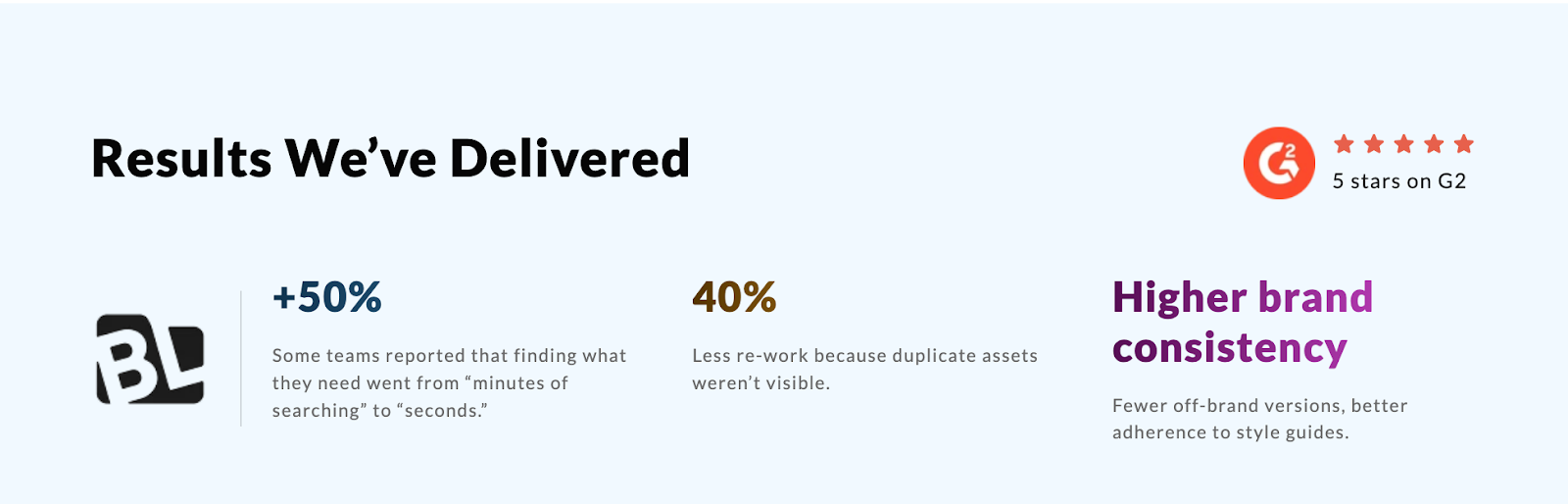
screenshot of  BrandLife’s digital asset management platform ROI
Results after implementing BrandLife’s digital asset management platform

Types of Digital Asset Management Solutions

Digital asset management solutions generally fall into two broad categories:

  • Proprietary digital asset management systems, such as BrandLife, Adobe Experience Manager Assets, or Bynder, come with vendor support, polished UI, and enterprise features, but often with high licensing costs and limited extensibility.

  • Open source digital asset management, where the codebase is publicly accessible and customizable by anyone. This approach enables organizations to tailor their platform to specific workflows, avoid vendor lock-in, and reduce ongoing licensing fees. 

Why Choose Open Source Digital Asset Management?

Open source digital asset management platforms appeal to organizations that value flexibility and internal control.

Customization and flexibility

Open source digital asset management gives teams full access to the underlying code, meaning you can design workflows, metadata models, access permissions, and integrations that precisely match your business needs. 

This is something often limited or costly with proprietary vendors. 

Cost-effectiveness

Without recurring license fees, open source digital asset management can drastically reduce upfront and ongoing costs. Organizations only invest in hosting and support, often resulting in significant savings for mid-size to large enterprises.

Community support and innovation

Open source projects typically have active communities of developers and users contributing updates, plugins, security patches, and integrations. This ecosystem accelerates innovation and often leads to broader compatibility with third-party tools.

Limitations of Open Source Digital Asset Management

Open source digital asset management is not without trade-offs.

Need for technical expertise

Open source platforms require more initial setup and technical maintenance. Teams without in-house developers might need external support to configure, secure, and scale the system. 

This complexity can be reduced by choosing a proprietary digital asset management platform like BrandLife, which offers an intuitive, user-friendly interface. 

With BrandLife, teams can get started quickly—simply sign up, log in, and begin managing assets without heavy technical overhead.

Maintenance responsibility

Unlike proprietary SaaS, which manages upgrades and uptime, open source digital asset management often requires dedicated resources to implement updates and troubleshoot issues.

Security considerations

While open source code can be audited and improved by the community, it also requires disciplined security practices to ensure vulnerabilities are patched and hosted environments are safe.

For marketing-led teams without technical support, these factors can slow adoption.

Top Open Source Digital Asset Management Tools

Here are some of the best open source digital asset management tools businesses are adopting today:

1. Razuna
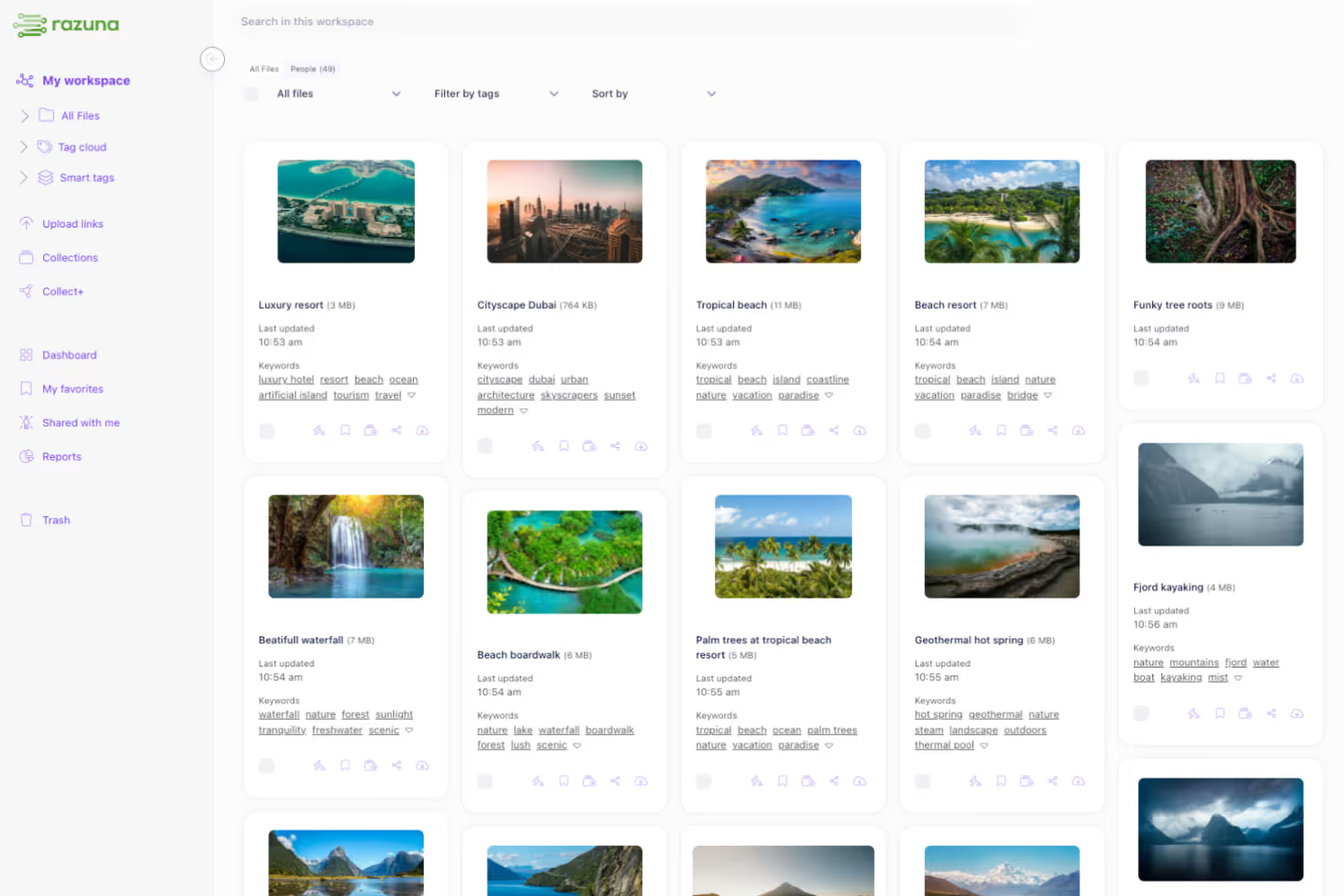
Razuna's dashboard screenshot
Razuna’s dashboard

Razuna is a user-friendly open source DAM that balances simplicity and functionality. It supports a wide range of file types, customizable metadata, and fundamental workflow tools. 

It suits teams that want a straightforward DAM foundation with optional cloud hosting.

2. HyperCMS
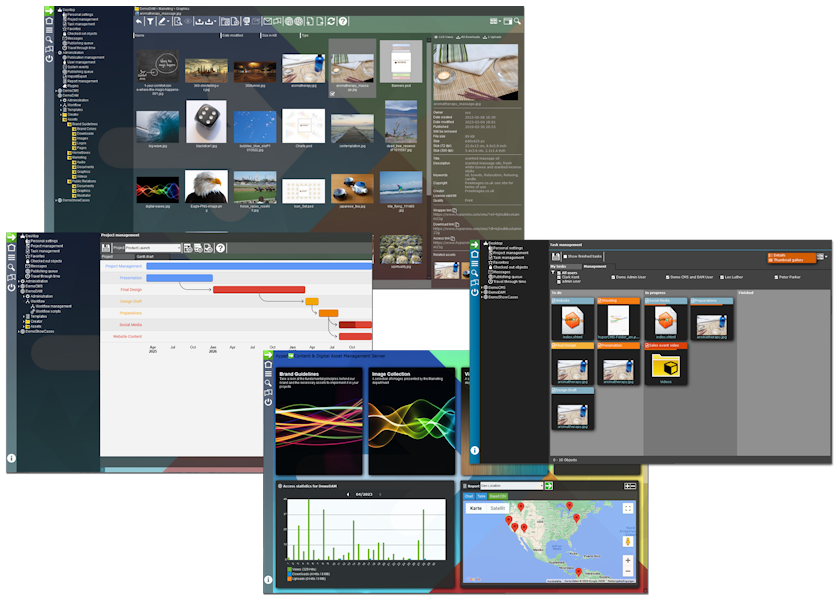
HyperCMS’ dashboard screenshot
HyperCMS’s dashboard

HyperCMS combines content management and digital asset management capabilities. It works best for organizations managing structured content alongside media assets, though its interface can feel dated for modern creative teams.

3. Pimcore
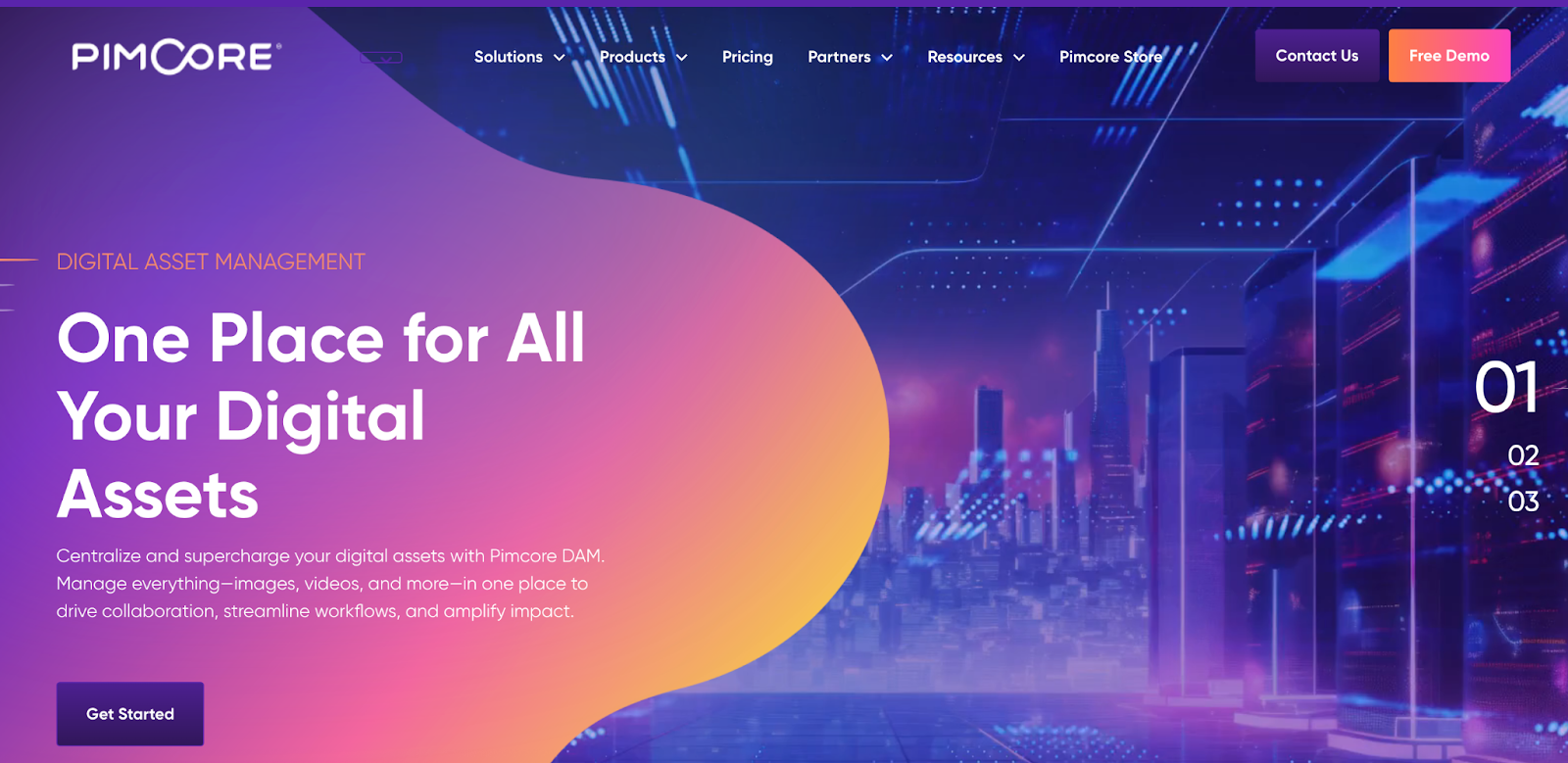
Pimcore’s homepage screenshot
Pimcore’s homepage

Pimcore offers digital asset management as part of a broader data and experience platform. It is highly extensible but often requires significant configuration effort, making it more suitable for enterprises with development capacity.

4. ResourceSpace
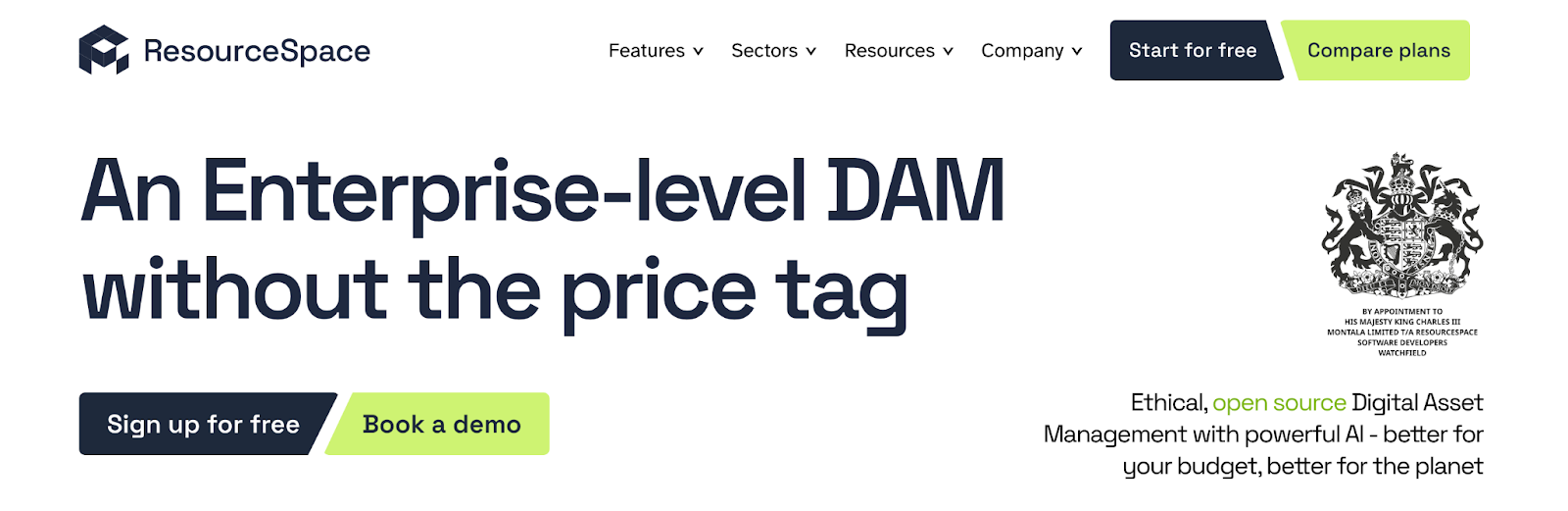
ResourceSpace’s homepage screenshot
ResourceSpace’s homepage

ResourceSpace focuses on simplicity and community-driven development. It supports metadata management, permissions, and sharing, but may lack advanced collaboration features expected by fast-moving marketing teams.

It’s especially popular in nonprofit, education, and cultural institutions due to its customizable nature and cost savings.

5. Nuxeo
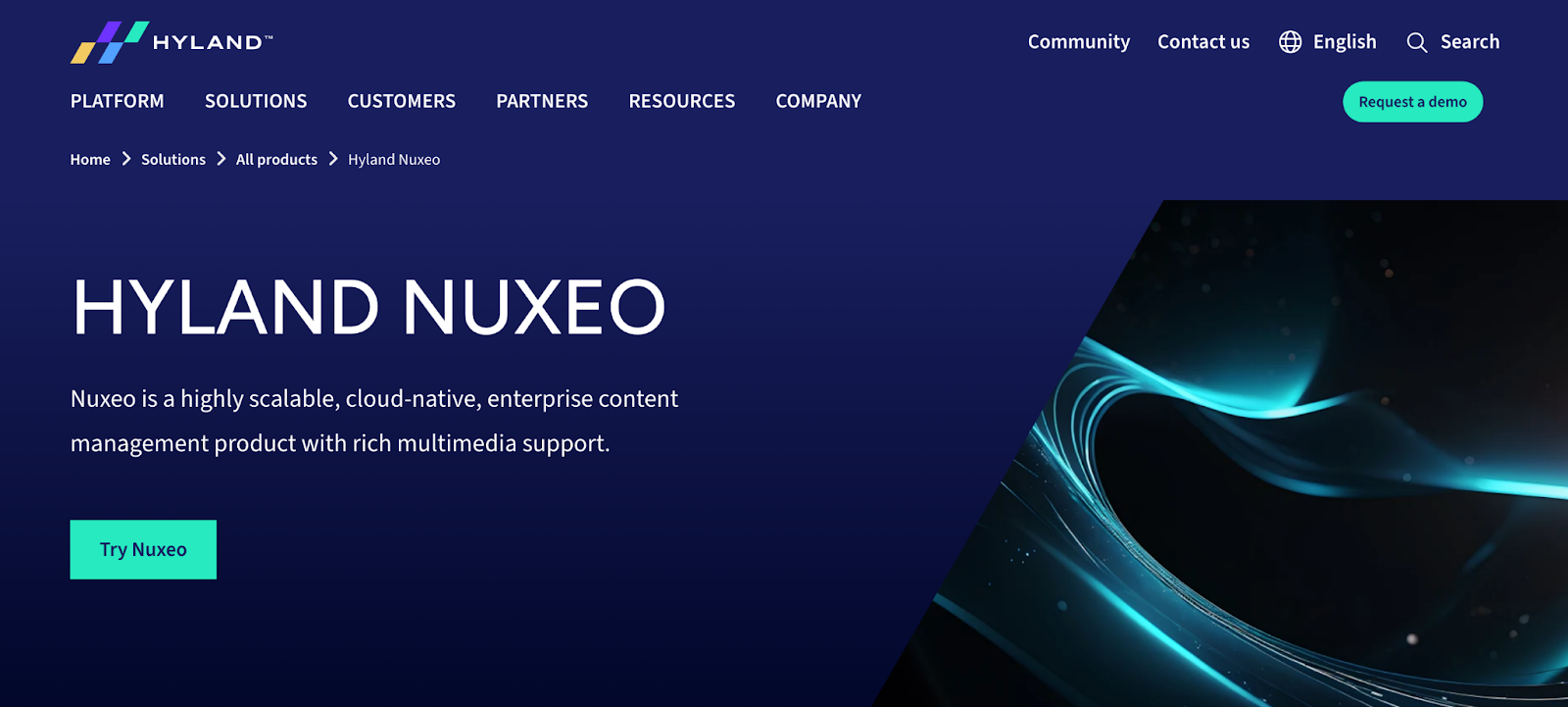
Nuxeo’s homepage screenshot
Nuxeo’s homepage

Nuxeo provides enterprise-grade digital asset management capabilities with strong scalability. While powerful, its complexity often places it closer to proprietary solutions in terms of setup and operational demands.

Comparing Open Source and Proprietary Digital Asset Management

While open source digital asset management offers flexibility and cost advantages, proprietary digital asset management solutions bring structure, reliability, and ready-to-use capabilities. 

Both approaches have their strengths, and the right choice depends on your team’s resources, scale, and long-term goals. 

Let’s break down the key differences to help you decide which model is better suited for your organization.

Flexibility and customization

Open source digital asset management allows extensive tailoring of workflows, metadata schemas, and integrations, making it ideal for teams with unique requirements and strong technical capabilities. 

Proprietary digital asset management platforms, on the other hand, typically offer predefined configurations and may limit deep customization or charge extra for advanced extensibility.

BrandLife bridges both worlds by offering flexible workflows and configurations, while layering enterprise-grade features—like AI-powered tagging and robust security—without the complexity of managing open source code.
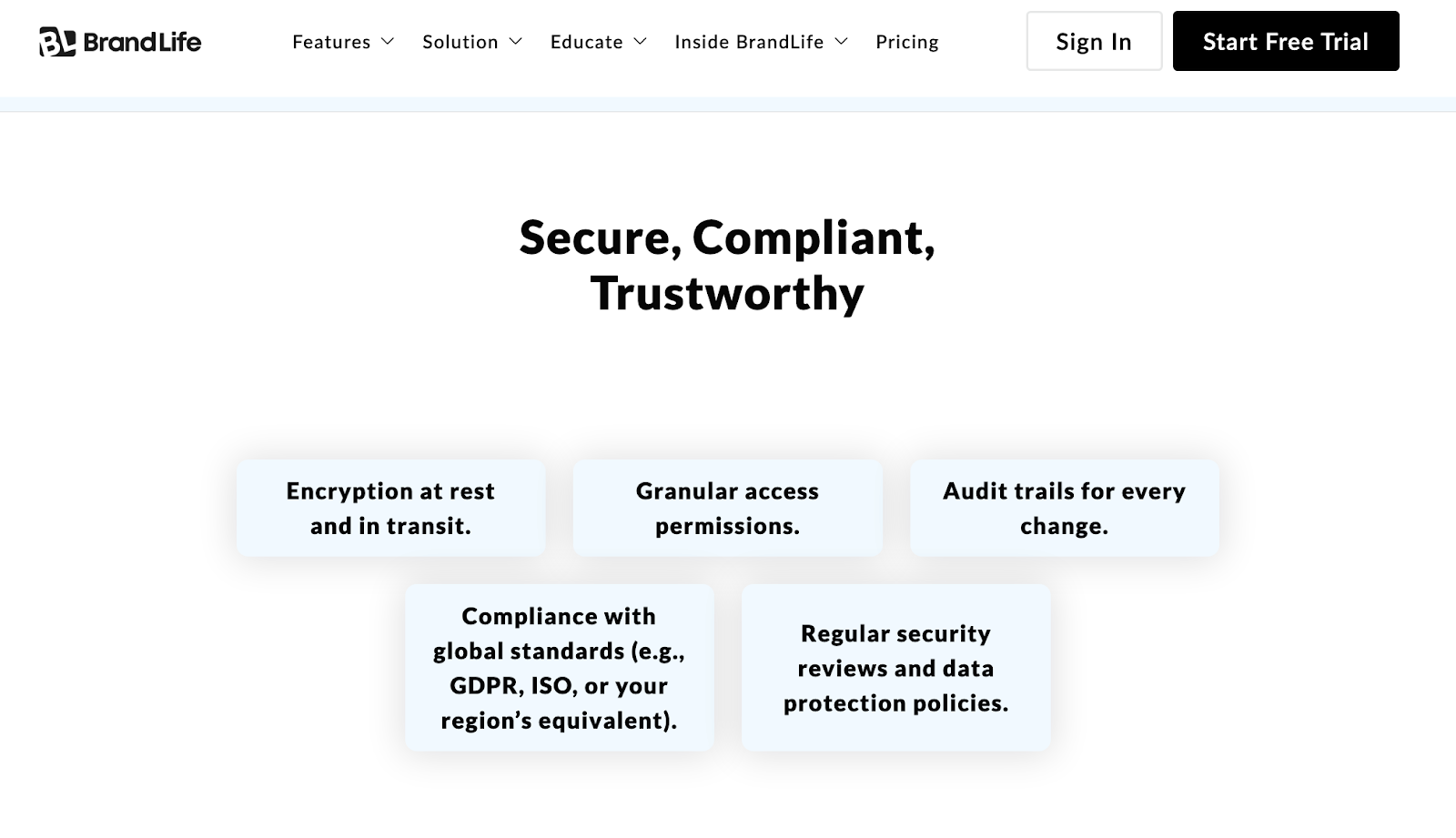
BrandLife’s security features screenshot
BrandLife’s security features

Costs and ROI

Open source digital asset management is attractive for its no-license model, which can significantly reduce upfront costs. However, the total cost of ownership often includes expenses for hosting, development, maintenance, and support. 

Proprietary digital asset management solutions usually involve subscription fees but bundle infrastructure, updates, and support into a predictable cost structure.

BrandLife follows a value-led pricing approach focused on delivering clear ROI. This helps teams save time, reduce asset duplication, and scale their digital asset management strategy without hidden or unexpected costs.

Support and community

Open source digital asset management tools benefit from active communities that contribute updates, plugins, and troubleshooting help. However, the level of support can vary widely between projects and may not always meet enterprise expectations. 

Proprietary platforms typically provide formal SLAs, dedicated support teams, onboarding, and training resources.

BrandLife combines the best of both by offering responsive, enterprise-grade support, ensuring your teams always have expert help when they need it. That too, without relying solely on community forums.

How BrandLife Enhances Digital Asset Management

While open source digital asset management emphasizes flexibility, many growing teams prioritize usability, speed, and governance. BrandLife bridges that gap with features designed specifically for marketing and creative workflows.

Easy-to-use interface
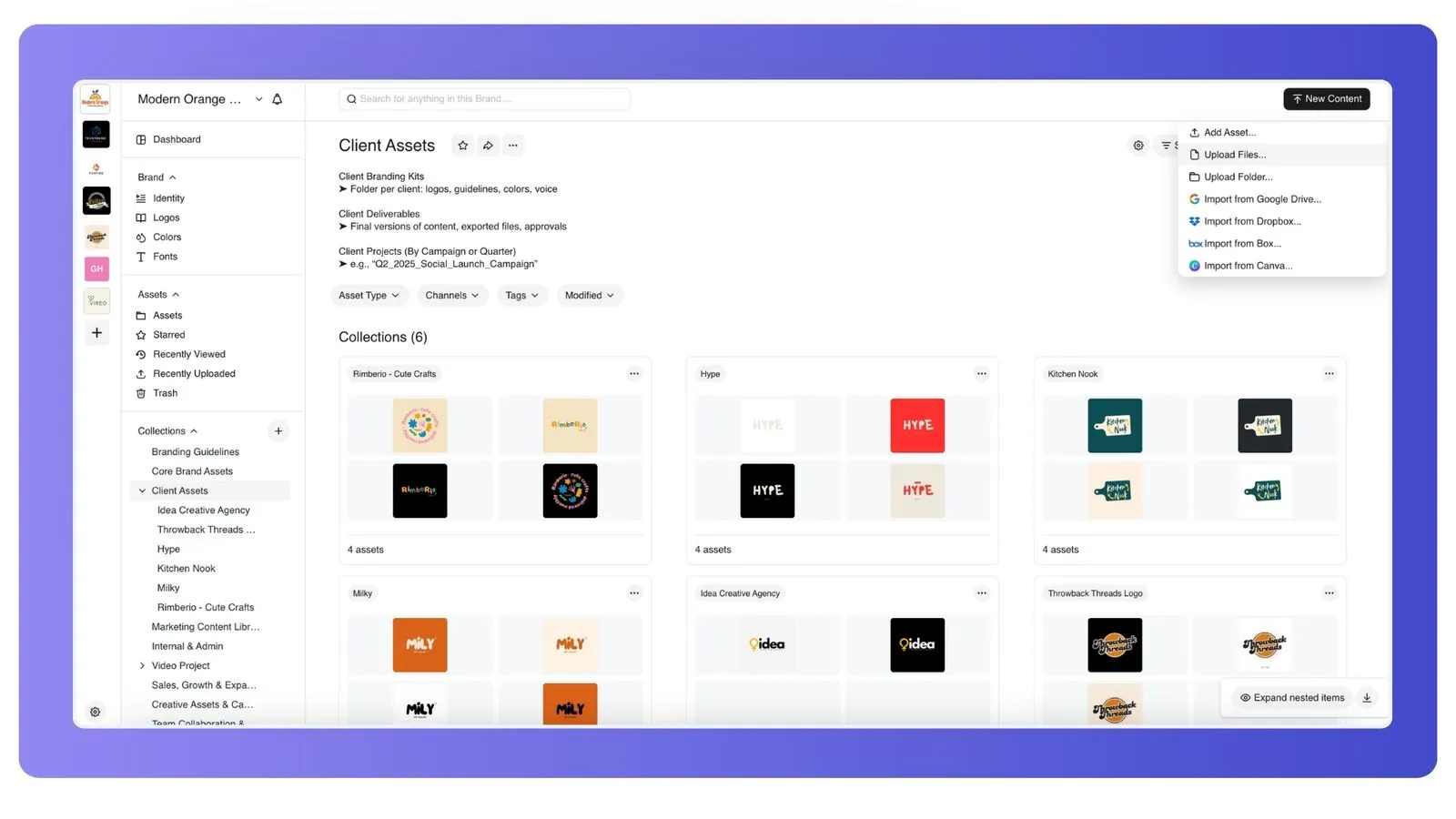
BrandLife’s easy-to-use dashboard at a glance
BrandLife’s dashboard at a glance

BrandLife’s intuitive interface makes it simple for any team member to upload, find, and share assets without training or technical help. This reduces adoption friction and helps teams get value from day one.

Cost-effective

BrandLife’s pricing plans screenshot
BrandLife’s pricing plans

With transparent, value-led pricing, BrandLife delivers enterprise-grade digital asset management without heavy upfront investment. Teams can scale usage as they grow while keeping costs predictable.

Customizable

BrandLife adapts to your workflows, metadata needs, and approval processes rather than forcing rigid structures. This flexibility ensures your digital asset management fits how your teams actually work.

Multi-brand management

BrandLife lets you manage multiple brands, regions, or product lines from a single platform while maintaining clear separation and governance. It simplifies oversight without sacrificing local autonomy.

Integrations and customization
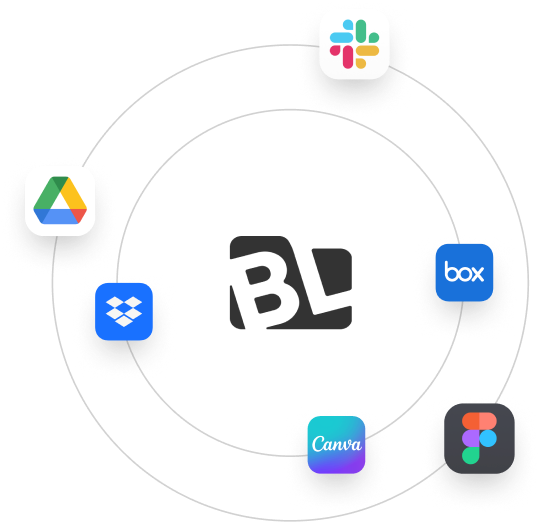
BrandLife’s DAM integration hub
BrandLife’s integration hub

BrandLife integrates with popular third-party applications, including design, communication, and cloud storage platforms. This allows teams to keep digital asset management connected to existing workflows without custom development.

How to Choose the Right Digital Asset Management Solution

Whether you’re considering open source tools or proprietary platforms, these key criteria can help guide your decision.

Assessing your business needs

Start by understanding how your teams create, use, and distribute digital assets today. Consider:

  • The volume and types of assets you manage (images, videos, documents, product files).
  • The number of users and departments involved.
  • The complexity of your approval workflows and access controls.
  • Your need for integrations with tools like CMS, CRM, design software, or marketing platforms.

If your organization is growing rapidly or operating across regions, prioritize scalability and governance. Platforms like BrandLife are built to support both expanding asset libraries and cross-functional collaboration without slowing teams down.

Evaluating costs and benefits

Look beyond just license or subscription fees and assess the total cost of ownership, including:

  • Implementation and onboarding effort
  • Infrastructure or hosting requirements
  • Ongoing maintenance and upgrades
  • Support and training costs

Balance these against the benefits—time saved in asset search, faster campaign execution, reduced rework, and improved brand consistency

A solution like BrandLife helps maximize ROI by combining quick deployment with automation features that reduce manual effort and operational friction.

Turning Digital Asset Management into a Growth Advantage

Open source digital asset management offers flexibility and cost control for organizations with technical resources. However, as asset volumes grow and brand governance becomes critical, ease of use, collaboration, and consistency often matter more than source code access.

BrandLife provides a practical alternative, delivering structured digital asset management without operational complexity. For teams seeking clarity, speed, and brand control, it offers a balanced path forward.

Some of its core features include: 

AI tagging and searchability
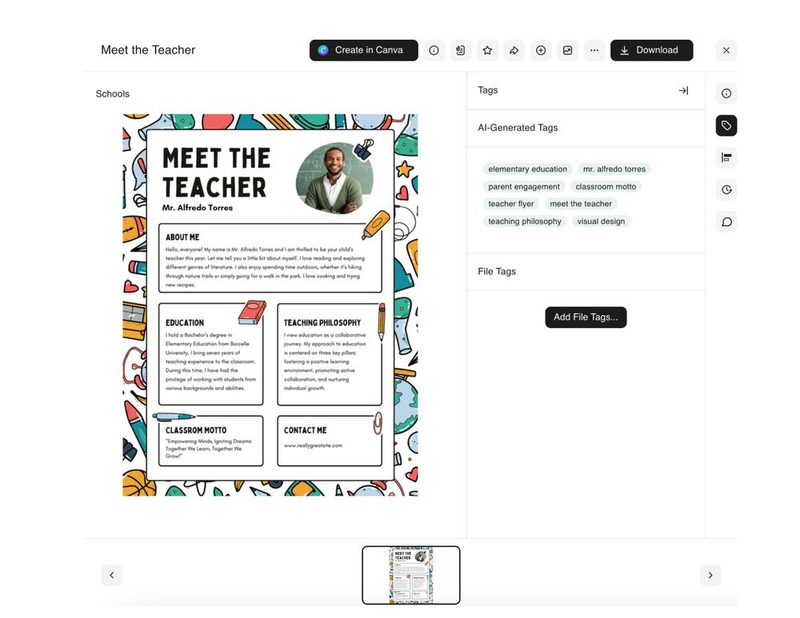
BrandLife's cloud DAM feature – AI tagging and smart search
BrandLife automatically assigns relevant tags to streamline asset organization

BrandLife uses AI to automatically tag and organize assets, reducing the need for manual metadata entry. This makes it easier for teams to quickly locate the right asset, even as libraries grow in size.

Centralized repository
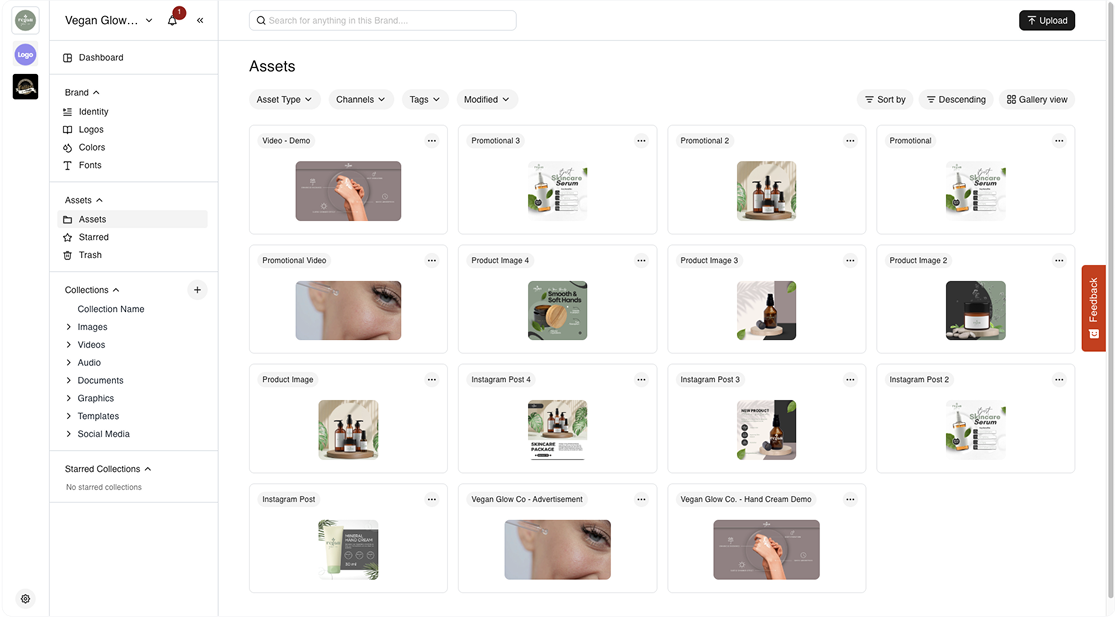
BrandLife's DAM platform
BrandLife’s digital asset centralized storage for valuable marketing materials

BrandLife provides a single, organized repository for all digital assets, helping teams avoid scattered files across tools and folders. Assets can be filtered and sorted by campaign, file type, usage, or other criteria for easier access.

Workflow approval

BrandLife's approval workflow feature for enhancing productivity
BrandLife’s contextual commenting and approval workflow ensures brand governance

BrandLife supports structured approval workflows that bring clarity to review and sign-off processes. Teams can track feedback, revisions, and approvals in one place, reducing delays and miscommunication.

And the good news is that BrandLife offers a 14-day free trial so teams can experience structured digital asset management without upfront commitment.

Frequently Asked Questions

What are the first steps to implement an open source DAM in my organization?

Start by auditing your existing digital assets and defining clear goals for organization, access, and workflows. You’ll also need to assess internal technical capabilities for setup, hosting, and ongoing maintenance.

Can open source DAM solutions handle large volumes of assets?

Yes, many open source digital asset management tools are built to scale and can support large asset libraries when properly configured. Performance depends on infrastructure, metadata structure, and ongoing optimization.

What kind of technical support is available for open source DAM users?

Support typically comes from community forums, documentation, and third-party service providers. For teams that need structured onboarding and ongoing assistance, platforms like BrandLife offer dedicated support alongside enterprise-grade digital asset management features.

Related

See more
Open Source Digital Asset Management: A Comprehensive Guide by BrandLife

Open Source Digital Asset Management: A Comprehensive Guide by BrandLife

A Comprehensive Guide to Marketing Assets: Types, Examples, and Best Practices

A Comprehensive Guide to Marketing Assets: Types, Examples, and Best Practices

Cloud-Based Digital Asset Management: A Comprehensive Guide

Cloud-Based Digital Asset Management: A Comprehensive Guide

Ready to make your brand unstoppable?

Try it free or request a quote. Let’s build your brand’s next.

Open Source Digital Asset Management: A Comprehensive Guide by BrandLife

Understanding where open source digital asset management fits, and when structured platforms make more sense.
Start Free TrialDownload Free PDF
Open Source Digital Asset Management: A Comprehensive Guide by BrandLife

Key Takeways

  • Open source digital asset management offers flexibility and cost control, but often requires technical expertise and ongoing maintenance.
  • As asset volumes and teams scale, usability, governance, and collaboration become as important as customization.
  • Proprietary digital asset management platforms simplify adoption by bundling infrastructure, support, and structured workflows.
  • BrandLife provides a balanced approach—combining ease of use, automation, and scalability to turn digital asset management into a growth enabler.

Digital content volumes continue to grow across marketing, creative, and brand teams. As organizations expand channels, formats, and regions, the question is no longer whether to invest in digital asset management (DAM) solutions, but which approach makes sense. 

For many mid-sized teams, open source digital asset management enters the conversation as a flexible, cost-aware option worth evaluating.

This guide breaks down how open source digital asset management works, where it fits best, and whether you should also consider proprietary platforms like BrandLife.

Understanding Digital Asset Management (DAM)

Digital asset management is the system used to store, organize, retrieve, and govern digital files, such as images, videos, design files, brand guidelines, and marketing documents.

Unlike shared drives or cloud folders, digital asset management platforms add structure through metadata, permissions, version control, and search.

In practical terms, it saves time, prevents errors, and accelerates publishing, especially for teams managing global campaigns, product launches, or large creative libraries.

screenshot of  BrandLife’s digital asset management platform ROI
Results after implementing BrandLife’s digital asset management platform

Types of Digital Asset Management Solutions

Digital asset management solutions generally fall into two broad categories:

  • Proprietary digital asset management systems, such as BrandLife, Adobe Experience Manager Assets, or Bynder, come with vendor support, polished UI, and enterprise features, but often with high licensing costs and limited extensibility.

  • Open source digital asset management, where the codebase is publicly accessible and customizable by anyone. This approach enables organizations to tailor their platform to specific workflows, avoid vendor lock-in, and reduce ongoing licensing fees. 

Why Choose Open Source Digital Asset Management?

Open source digital asset management platforms appeal to organizations that value flexibility and internal control.

Customization and flexibility

Open source digital asset management gives teams full access to the underlying code, meaning you can design workflows, metadata models, access permissions, and integrations that precisely match your business needs. 

This is something often limited or costly with proprietary vendors. 

Cost-effectiveness

Without recurring license fees, open source digital asset management can drastically reduce upfront and ongoing costs. Organizations only invest in hosting and support, often resulting in significant savings for mid-size to large enterprises.

Community support and innovation

Open source projects typically have active communities of developers and users contributing updates, plugins, security patches, and integrations. This ecosystem accelerates innovation and often leads to broader compatibility with third-party tools.

Limitations of Open Source Digital Asset Management

Open source digital asset management is not without trade-offs.

Need for technical expertise

Open source platforms require more initial setup and technical maintenance. Teams without in-house developers might need external support to configure, secure, and scale the system. 

This complexity can be reduced by choosing a proprietary digital asset management platform like BrandLife, which offers an intuitive, user-friendly interface. 

With BrandLife, teams can get started quickly—simply sign up, log in, and begin managing assets without heavy technical overhead.

Maintenance responsibility

Unlike proprietary SaaS, which manages upgrades and uptime, open source digital asset management often requires dedicated resources to implement updates and troubleshoot issues.

Security considerations

While open source code can be audited and improved by the community, it also requires disciplined security practices to ensure vulnerabilities are patched and hosted environments are safe.

For marketing-led teams without technical support, these factors can slow adoption.

Top Open Source Digital Asset Management Tools

Here are some of the best open source digital asset management tools businesses are adopting today:

1. Razuna

Razuna's dashboard screenshot
Razuna’s dashboard

Razuna is a user-friendly open source DAM that balances simplicity and functionality. It supports a wide range of file types, customizable metadata, and fundamental workflow tools. 

It suits teams that want a straightforward DAM foundation with optional cloud hosting.

2. HyperCMS

HyperCMS’ dashboard screenshot
HyperCMS’s dashboard

HyperCMS combines content management and digital asset management capabilities. It works best for organizations managing structured content alongside media assets, though its interface can feel dated for modern creative teams.

3. Pimcore

Pimcore’s homepage screenshot
Pimcore’s homepage

Pimcore offers digital asset management as part of a broader data and experience platform. It is highly extensible but often requires significant configuration effort, making it more suitable for enterprises with development capacity.

4. ResourceSpace

ResourceSpace’s homepage screenshot
ResourceSpace’s homepage

ResourceSpace focuses on simplicity and community-driven development. It supports metadata management, permissions, and sharing, but may lack advanced collaboration features expected by fast-moving marketing teams.

It’s especially popular in nonprofit, education, and cultural institutions due to its customizable nature and cost savings.

5. Nuxeo

Nuxeo’s homepage screenshot
Nuxeo’s homepage

Nuxeo provides enterprise-grade digital asset management capabilities with strong scalability. While powerful, its complexity often places it closer to proprietary solutions in terms of setup and operational demands.

Comparing Open Source and Proprietary Digital Asset Management

While open source digital asset management offers flexibility and cost advantages, proprietary digital asset management solutions bring structure, reliability, and ready-to-use capabilities. 

Both approaches have their strengths, and the right choice depends on your team’s resources, scale, and long-term goals. 

Let’s break down the key differences to help you decide which model is better suited for your organization.

Flexibility and customization

Open source digital asset management allows extensive tailoring of workflows, metadata schemas, and integrations, making it ideal for teams with unique requirements and strong technical capabilities. 

Proprietary digital asset management platforms, on the other hand, typically offer predefined configurations and may limit deep customization or charge extra for advanced extensibility.

BrandLife bridges both worlds by offering flexible workflows and configurations, while layering enterprise-grade features—like AI-powered tagging and robust security—without the complexity of managing open source code.

BrandLife’s security features screenshot
BrandLife’s security features

Costs and ROI

Open source digital asset management is attractive for its no-license model, which can significantly reduce upfront costs. However, the total cost of ownership often includes expenses for hosting, development, maintenance, and support. 

Proprietary digital asset management solutions usually involve subscription fees but bundle infrastructure, updates, and support into a predictable cost structure.

BrandLife follows a value-led pricing approach focused on delivering clear ROI. This helps teams save time, reduce asset duplication, and scale their digital asset management strategy without hidden or unexpected costs.

Support and community

Open source digital asset management tools benefit from active communities that contribute updates, plugins, and troubleshooting help. However, the level of support can vary widely between projects and may not always meet enterprise expectations. 

Proprietary platforms typically provide formal SLAs, dedicated support teams, onboarding, and training resources.

BrandLife combines the best of both by offering responsive, enterprise-grade support, ensuring your teams always have expert help when they need it. That too, without relying solely on community forums.

How BrandLife Enhances Digital Asset Management

While open source digital asset management emphasizes flexibility, many growing teams prioritize usability, speed, and governance. BrandLife bridges that gap with features designed specifically for marketing and creative workflows.

Easy-to-use interface

BrandLife’s easy-to-use dashboard at a glance
BrandLife’s dashboard at a glance

BrandLife’s intuitive interface makes it simple for any team member to upload, find, and share assets without training or technical help. This reduces adoption friction and helps teams get value from day one.

Cost-effective

BrandLife’s pricing plans screenshot
BrandLife’s pricing plans

With transparent, value-led pricing, BrandLife delivers enterprise-grade digital asset management without heavy upfront investment. Teams can scale usage as they grow while keeping costs predictable.

Customizable

BrandLife adapts to your workflows, metadata needs, and approval processes rather than forcing rigid structures. This flexibility ensures your digital asset management fits how your teams actually work.

Multi-brand management

BrandLife lets you manage multiple brands, regions, or product lines from a single platform while maintaining clear separation and governance. It simplifies oversight without sacrificing local autonomy.

Integrations and customization

BrandLife’s DAM integration hub
BrandLife’s integration hub

BrandLife integrates with popular third-party applications, including design, communication, and cloud storage platforms. This allows teams to keep digital asset management connected to existing workflows without custom development.

How to Choose the Right Digital Asset Management Solution

Whether you’re considering open source tools or proprietary platforms, these key criteria can help guide your decision.

Assessing your business needs

Start by understanding how your teams create, use, and distribute digital assets today. Consider:

  • The volume and types of assets you manage (images, videos, documents, product files).
  • The number of users and departments involved.
  • The complexity of your approval workflows and access controls.
  • Your need for integrations with tools like CMS, CRM, design software, or marketing platforms.

If your organization is growing rapidly or operating across regions, prioritize scalability and governance. Platforms like BrandLife are built to support both expanding asset libraries and cross-functional collaboration without slowing teams down.

Evaluating costs and benefits

Look beyond just license or subscription fees and assess the total cost of ownership, including:

  • Implementation and onboarding effort
  • Infrastructure or hosting requirements
  • Ongoing maintenance and upgrades
  • Support and training costs

Balance these against the benefits—time saved in asset search, faster campaign execution, reduced rework, and improved brand consistency

A solution like BrandLife helps maximize ROI by combining quick deployment with automation features that reduce manual effort and operational friction.

Turning Digital Asset Management into a Growth Advantage

Open source digital asset management offers flexibility and cost control for organizations with technical resources. However, as asset volumes grow and brand governance becomes critical, ease of use, collaboration, and consistency often matter more than source code access.

BrandLife provides a practical alternative, delivering structured digital asset management without operational complexity. For teams seeking clarity, speed, and brand control, it offers a balanced path forward.

Some of its core features include: 

AI tagging and searchability

BrandLife's cloud DAM feature – AI tagging and smart search
BrandLife automatically assigns relevant tags to streamline asset organization

BrandLife uses AI to automatically tag and organize assets, reducing the need for manual metadata entry. This makes it easier for teams to quickly locate the right asset, even as libraries grow in size.

Centralized repository

BrandLife's DAM platform
BrandLife’s digital asset centralized storage for valuable marketing materials

BrandLife provides a single, organized repository for all digital assets, helping teams avoid scattered files across tools and folders. Assets can be filtered and sorted by campaign, file type, usage, or other criteria for easier access.

Workflow approval

BrandLife's approval workflow feature for enhancing productivity
BrandLife’s contextual commenting and approval workflow ensures brand governance

BrandLife supports structured approval workflows that bring clarity to review and sign-off processes. Teams can track feedback, revisions, and approvals in one place, reducing delays and miscommunication.

And the good news is that BrandLife offers a 14-day free trial so teams can experience structured digital asset management without upfront commitment.

Frequently Asked Questions

What are the first steps to implement an open source DAM in my organization?

Start by auditing your existing digital assets and defining clear goals for organization, access, and workflows. You’ll also need to assess internal technical capabilities for setup, hosting, and ongoing maintenance.

Can open source DAM solutions handle large volumes of assets?

Yes, many open source digital asset management tools are built to scale and can support large asset libraries when properly configured. Performance depends on infrastructure, metadata structure, and ongoing optimization.

What kind of technical support is available for open source DAM users?

Support typically comes from community forums, documentation, and third-party service providers. For teams that need structured onboarding and ongoing assistance, platforms like BrandLife offer dedicated support alongside enterprise-grade digital asset management features.

Professional Branding Start Here

Everything you need to launch and maintain a consistent brand.

Try Free TrialLearn More

Related Resources

Open Source Digital Asset Management: A Comprehensive Guide by BrandLife

Open Source Digital Asset Management: A Comprehensive Guide by BrandLife

A Comprehensive Guide to Marketing Assets: Types, Examples, and Best Practices

A Comprehensive Guide to Marketing Assets: Types, Examples, and Best Practices

Transform the way you

manage your assets

8.8 hours/ week are wasted just looking for files and content